
Do Puffer Jackets Keep You Warm?
How the fill actually works, down versus polyester, and what to check on the rail before you pay for warmth you will not get.

On this page
- The first to know is, what are puffer jackets?
- How serious is Hypothermia?
- How to compare a puffer with other winter jackets
- What to Look For in a Puffer Jacket?
- FIRST: Check the filling of the Puffer Jacket
- SECOND: How much is your budget for a Puffer Jacket?
- THIRD: Examine the Stitching
- FOURTH: What about Pockets?
- Key Takeaways
- Puffer jacket FAQ
anyone buying a winter jacket for cold-weather hiking, camping, or daily wear and trying to work out whether the puffer is worth the extra money.
layering matters as much as the jacket — see our camping gear hub for cold-weather kit.
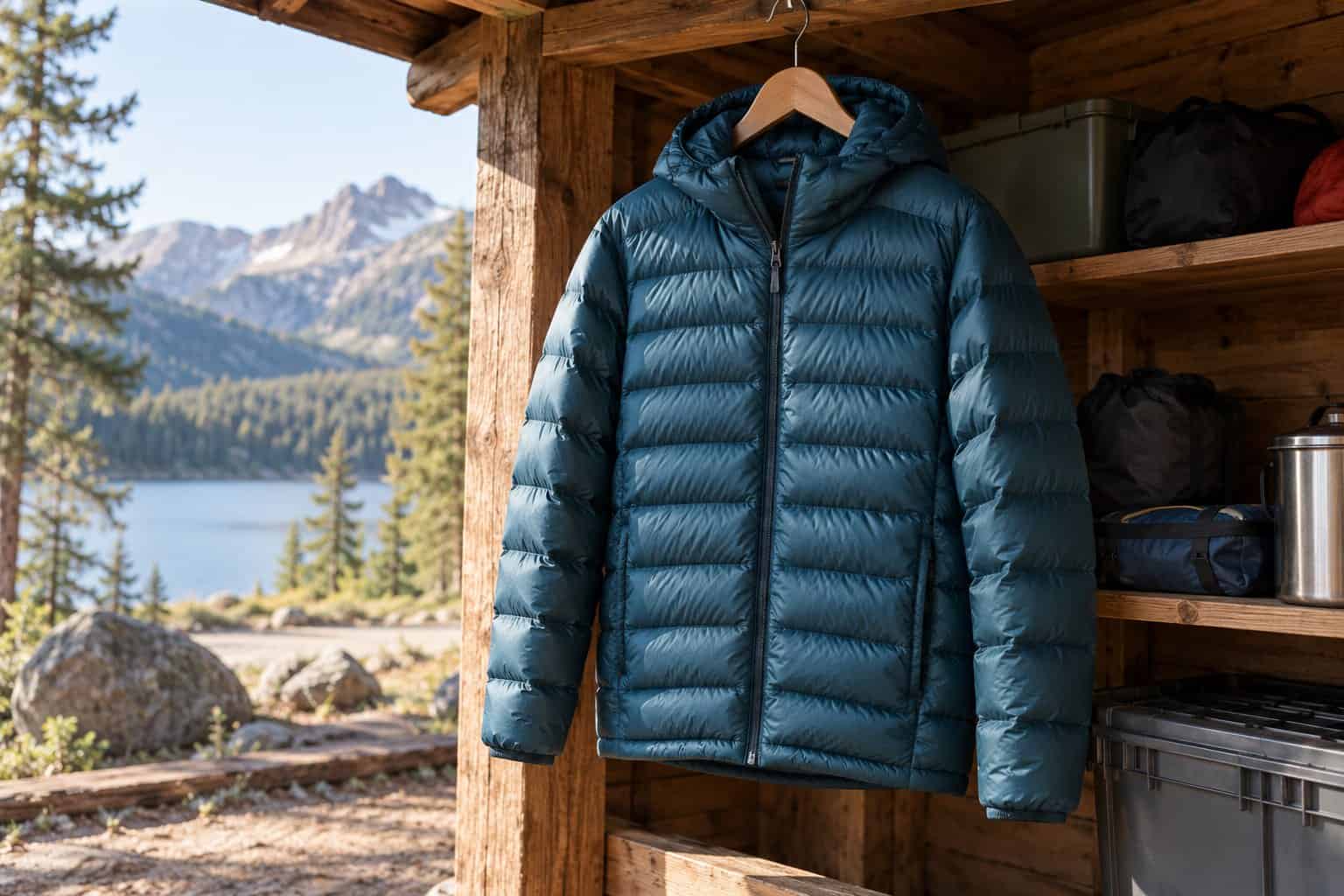
A puffer jacket can slow heat loss when its insulation retains useful loft. Choose it around the conditions, fit and complete clothing system; appearance, price or a quilt pattern is not a temperature rating.
The first to know is, what are puffer jackets?
A puffer jacket holds down clusters or synthetic insulation in compartments between shell and lining. The loft traps air and slows body-heat loss; the fill does not generate heat.
Puffer describes a compartmented insulation construction; the actual garment’s fill and design matter more than an unsourced origin story.
A puffer is an insulating garment, not a medically validated treatment or a guarantee against cold injury. Select it as part of a complete system suited to the exposure.
During the winter season, people are in direct danger of experiencing Hypothermia. This is especially true for those who want or need to hike up the snow-filled mountains during this time of the year.
How serious is Hypothermia?
Hypothermia is a medical emergency caused by a dangerously low body temperature. It can occur even above freezing when someone becomes wet and chilled. A jacket does not guarantee prevention.
Manage wind, wetness, activity, exposure time and access to shelter. Get emergency help for suspected hypothermia; do not delay because someone is wearing an insulated jacket. CDC — preventing hypothermia.
How to compare a puffer with other winter jackets
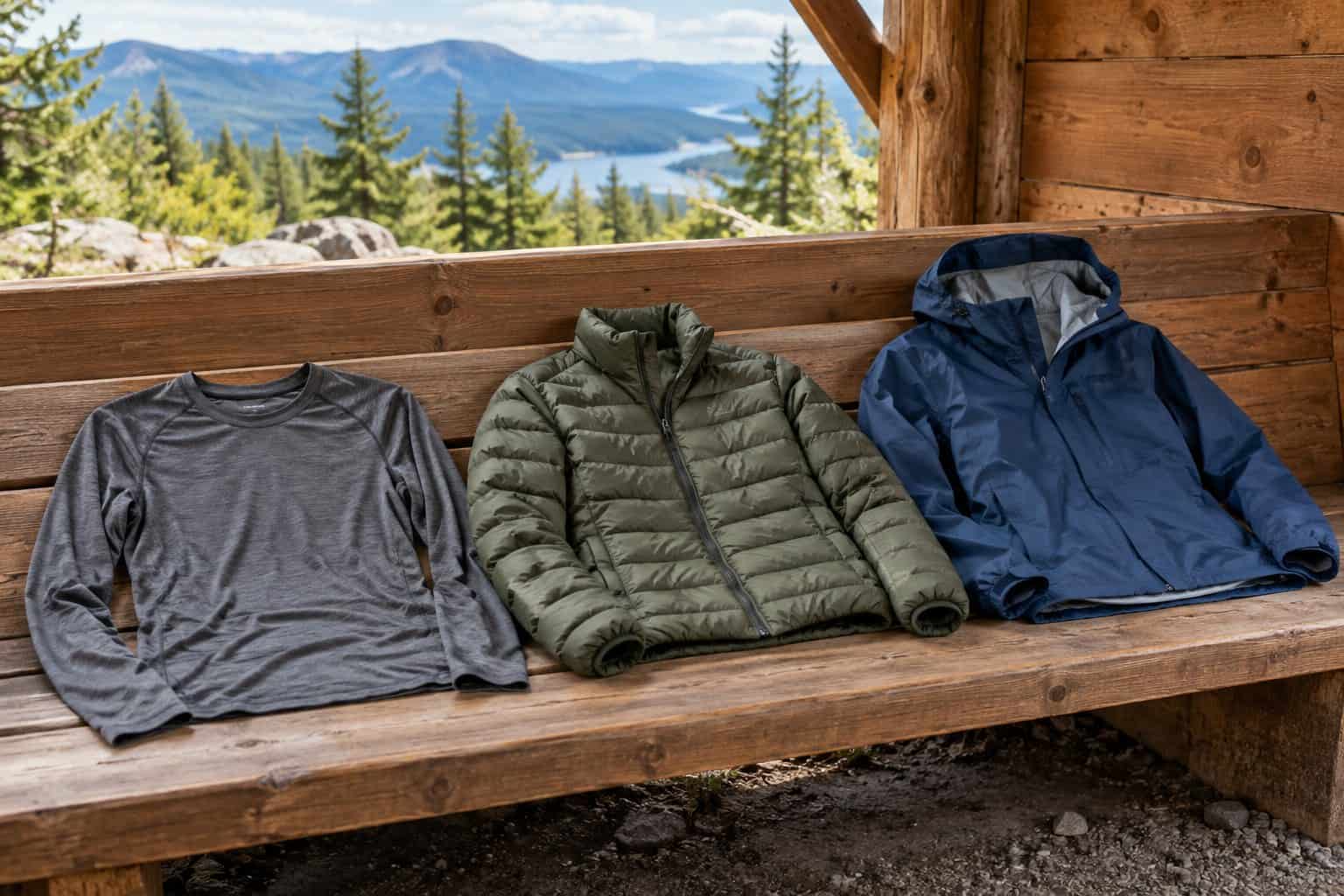
Warmth depends on insulation quantity and loft, garment construction, coverage, fit and the weather. A puffer is not inherently a medical product or automatically warmer than every other winter jacket.
Down and synthetic fills differ in weight, compressibility, moisture performance and care needs. Compare the finished garment rather than assuming bulk alone means warmth.
Compare documented insulation amount, construction, coverage and fit for the actual conditions. No identified expert comparison here establishes that every puffer is warmer than other winter jackets.
Baffles or quilting keep insulation distributed. Construction and fill quantity influence cold spots; no quilting shape alone guarantees a warmer or more durable jacket.
No specific laboratory test of the jackets discussed here is documented. Assess the manufacturer’s model-specific insulation, construction and weather guidance rather than assuming thermos-like performance.
Later, as the fashion industry realized the real value that puffer jackets serve, they came up with different designs to make this supposed bulky-furry jacket a better appeal and feel for the public. Who says staying warm cannot be fashionable?
Distinct fashion brands have made their versions of puffer jackets that fit both men and women, characterized by their quality and appeal.
A puffer can reduce heat loss, but suitability depends on the individual, conditions, activity and other layers. Plan shelter and an exit option rather than relying on a jacket for the coldest possible weather.
What to Look For in a Puffer Jacket?
The capacity of a puffer jacket to keep you warm will largely depend on its makeup and the materials used to create it. Considering all these and other factors relating to the quality of the puffer jackets lined up for you to choose from would allow you to pick the one that fits your taste, your need, and your budget.
FIRST: Check the filling of the Puffer Jacket
Down and a range of synthetic insulations are used in puffers. Check the actual fill type, amount and construction; polyester is not the only possible synthetic material and fill type alone is not a warmth rating.
Check the actual label rather than inferring the fill from the jacket’s appearance. A polyester description alone does not establish insulation quantity, construction or suitability for the trip.
Down consists of fine insulating clusters. It traps body heat rather than producing heat; warmth depends on fill weight, loft and the whole jacket design.
SECOND: How much is your budget for a Puffer Jacket?
There is no universal minimum price for a suitable down or synthetic jacket. Compare the specific fill, amount and distribution of insulation, fit, condition, care and current price. A higher price does not guarantee warmth for your trip.
THIRD: Examine the Stitching
Inspect seams and baffles for gaps, escaping fill or damage. Stitch-through and other constructions have different tradeoffs; a diamond pattern is not evidence of superior durability on its own.
Check the placing of the stitching closely as you inspect the puffer jacket that you want to purchase. There are instances when stitches of the jacket’s quilt pattern are too loose to compromise the puffer jacket’s quality and lifespan.
FOURTH: What about Pockets?
Depending on where you will use your puffer jacket, you ought to pick the right one that would give you an option to be functional even when you are outdoors amidst the cold weather. Some puffer jackets have specific pockets that will allow you to keep practical tools in your pocket as you go into the outdoors.
Check the finished jacket with your other layers
Try the actual size with the layers you expect to wear. Check movement and coverage at the hem, cuffs and neck, whether closures can be operated, and whether the intended outer layer fits without crushing the insulation. Inspect the care label and keep a dry-storage plan for the trip.
This is a fit and preparation check, not a temperature rating. If the maker does not document the insulation details you need, ask before buying rather than treating price or puffiness as evidence.
Key Takeaways
It is evident that when it comes to buying your puffer jacket, the primary goal is to find something that will keep you warm through the cold weather.
A jacket is one part of a cold-weather system. No garment guarantees protection from hypothermia; manage wind, wetness, exposure time and the need for shelter.
Following the guideline on examination and evaluation of the puffer jacket you are about to purchase, as noted in this post, will surely give you a better chance of getting the puffer jacket that will surely fit your expectations and your budget.
Puffer jacket FAQ
Related Guides


