
What Do You Need to Go Hiking? 10 Essentials for Every Hiker (Researched & Compared)
Quick answer: every first hike needs three non-negotiables — a daypack that fits, a water treatment method, and a reliable headlamp. The Osprey Talon 22 is the daypack most beginners should start with, the Katadyn BeFree 1.0L covers trail water, and the Black Diamond Spot 400 handles late finishes and early starts.
Below are the 10 essentials every hiker carries, plus the three product picks that close the gaps that cause most beginner turn-backs: a pack that fits, water that lasts, and light after dark.
Beginner hikes fail in predictable ways — blisters from cotton socks, dead phone batteries on unfamiliar trails, water running out an hour from the trailhead. The essentials list below is the standard checklist; the three picks solve the three failures that actually end hikes early.
Start here — pick your gap
Scoring rubric (weights)
Overall score = weighted average of the four bars. Amazon star averages are not the score.
How we ranked these
We scored each pick on whether it still works on day three of a long weekend — reliable in rain, cold, and being overstuffed — then how much it weighs and how little space it takes in the pack, whether a first-time hiker can use it without instructions, and whether the price matches the build. A durable item a beginner uses for years beats a cheap one replaced after one season.
Which pick for your hike?
3–6 miles, groomed trail
One pack carries everything else you buy. Fit it before the filter and the headlamp.
Creeks and lakes on route
Carry half your water and treat the rest at the source instead of hauling it all.
Dawn trailheads, short days
The hike that starts in daylight can end in the dark. Hands-free light is the fix.
Overnights and thru-hike legs
Daypack no longer fits the load — move up to a proper backpacking pack.
The 10 Essentials Every Hiker Carries
The original ten essentials predate GPS and gear blogs for a reason — they answer the two questions that matter when a day hike goes wrong: can you navigate, and can you survive the night? Carry all ten even on short trails.

- Navigation — paper topo map and compass as the system, offline phone maps as the convenience. Batteries die in cold and trailhead parking is where signal disappears, so the map is what works when the phone does not. Learn to read contour lines before the trail stops being obvious — that is the moment a map earns its pocket space.
- Sun protection — sunscreen, sunglasses, SPF lip balm, and a brimmed hat. Cloud cover does not stop UV, and glare off snow or water doubles the dose. Reapply at lunch — a morning application is spent by noon.
- Insulation — one layer more than the forecast demands, plus a rain shell, in wool or synthetic only. Summit temperatures run well below the trailhead number, and wet cotton pulls heat from the body instead of holding it. A fleece beanie is the highest warmth-per-ounce item in the pack.
- Illumination — a headlamp with fresh batteries plus spares (our Spot 400 pick below). “Back before dark” fails more often than any weather forecast. Hands-free light is the difference between walking out and sitting out.
- First-aid kit — small, current, and centered on blister dressings, the most-used item on any beginner hike. Check it before the season: gauze and wipes expire, and an expired kit is a heavy placebo. Our personal safety while camping guide covers the rest of the kit.
- Fire — stormproof matches or a windproof lighter plus tinder cubes that catch when wood is wet. Matches fail in wind and lighters run empty — carry both, or pick from our windproof camp lighter guide. The fire that matters is the one lit in bad conditions.
- Repair kit & tools — a pocket knife or multitool plus duct tape wrapped around a trekking pole or water bottle. The tape patches torn straps, cracked poles, and hot spots on gear; the knife cuts it. Ten wraps of tape and one blade cover most trail repairs.
- Nutrition — an extra day’s worth of bars, jerky, or nuts beyond the planned snacks. Hunger degrades judgment exactly when you need it most — the unplanned detour, the slow descent. Choose food that survives a hot pack without melting.
- Hydration — about half a liter per hour of moderate effort, more in heat or at altitude. In dry terrain carry the full amount; on trails with water sources carry half and treat the rest — our water treatment methods guide and the Katadyn BeFree pick below cover the treatment side.
- Emergency shelter — a space blanket or emergency bivy, even on a day hike. It weighs ounces and turns an unplanned night from a survival event into an uncomfortable one. This is the item that answers the question the whole list exists for: can you survive the night you did not plan?
Trail notes that matter
- Budget about half a liter of water per hour of moderate effort — heat and altitude raise it.
- Layers beat one heavy jacket: three thin layers adjust through the day without stops.
- Blister dressings live in the first-aid kit, not the car — hot spots appear in the first two miles.
- Download offline maps at home; trailhead parking is where signal dies.
The three product picks below solve the gear gaps in this list.
Buying order — decision rules
- Buy the Osprey Talon 22 first — the pack carries every other essential you add.
- Buy the Katadyn BeFree when your trails have water sources — it halves carried water weight.
- Buy the Spot 400 before any hike with an early start, late finish, or short winter day.
- Skip buying all three at once if budget is tight — start with the pack and borrow the rest.
How to Plan Your First Hike
Pick the trail before the gear — the trail decides the gear. These six planning moves prevent most first-hike failures.

Planning at a Glance
First hike: 3–6 miles under 1,000 ft of gain. Estimate the hours, not just the miles.
Read the map and recent trip reports before choosing what to carry and wear.
Dress for the summit forecast, not the trailhead parking lot — they differ by degrees.
Tell someone the route and return time so search starts where it should.
Wool or synthetic socks, footwear matched to terrain. Blisters end more hikes than weather.
A steady pace you can hold all day beats a fast start that dies on the first hill.
What to Look For — Buyer’s Guide
Match each pick to your trail style first — the categories below are the ones where beginners overspend or under-buy.
Key Factors at a Glance
20–24L fits the ten essentials plus layers for day hikes; bigger packs invite overpacking.
Squeeze filters weigh ounces and pair with soft flasks; pumps suit groups at basecamp.
300–400 lumens light a trail confidently; red mode preserves night vision at camp.
IPX8 survives rain and drops in creeks — cheaper IPX4 units dim in real weather.
The 3 Picks That Close the Gear Gaps
(not Amazon stars)
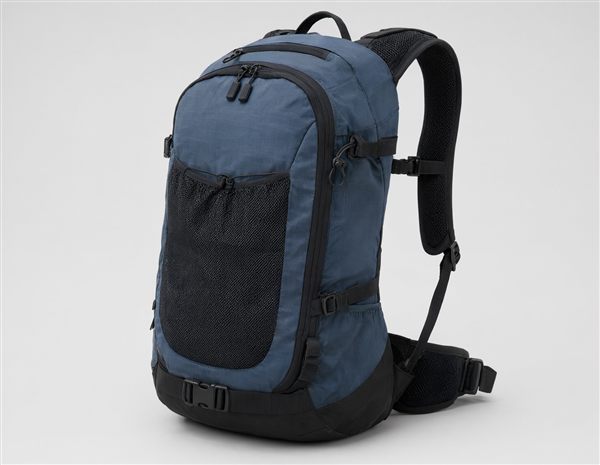
Osprey Talon 22
| Volume | 22L |
|---|---|
| Back panel | Ventilated (AirScape) |
| Pockets | Hip belt + stretch front |
| Extras | Trekking pole attachment |
Buy this if
- This is your first real daypack
- You day-hike year-round in warm climates
- You want hip belt pockets for snacks and phone
Skip if
- You carry for kids — move to 30L+
- You need winter bulk capacity
The Talon 22 is the daypack most beginners should land on: 22 liters fits the ten essentials plus layers without inviting overpacking, and the ventilated back panel keeps a sweaty back from soaking a shirt on climbs. Hip belt pockets keep snacks and a phone reachable without stopping, and the trekking pole attachment matters once you add poles. Osprey’s All Mighty Guarantee repairs or replaces for life, which is why it wins the value column despite the mid-tier price. It is not the pack for winter day hikes or hauling gear for kids — volume caps at what one adult needs.
Pros
- Ventilated back for hot climbs
- Hip belt pockets reachable on the move
- Light lifetime repair guarantee
Cons
- Too small for winter layers or kid gear
- Mid-tier price for a first pack
Complete the kit
(not Amazon stars)
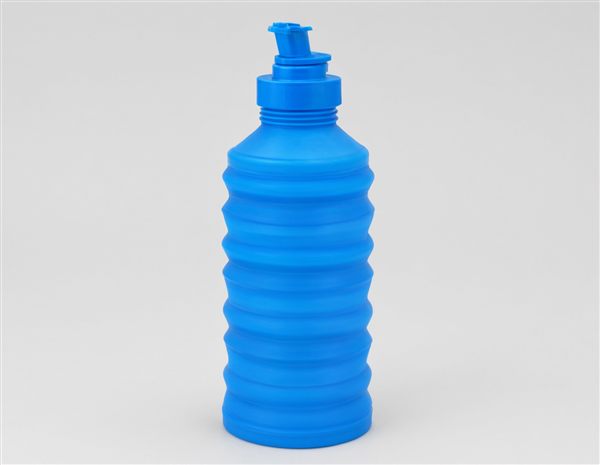
Katadyn BeFree 1.0L
| Filter pore | 0.1 micron |
|---|---|
| Weight | ~3 oz with flask |
| Cleaning | Field-cleanable by swishing |
| Best use | Creek and lake water on trail |
Buy this if
- Your trails cross water sources
- You want carried water halved
- One flask doubles as bottle and filter
Skip if
- Desert trails — carry all water instead
- You need group volumes — use a gravity filter
The BeFree pairs a 0.1-micron filter with a 1L soft flask: fill at a creek, squeeze to drink. At about three ounces it disappears into a pack pocket, and the filter swishes clean in the field when flow slows — the failure mode that retires most squeeze filters. Treat it as a backup to carried water on short hikes and as primary treatment on water-rich trails; it is not a group solution, and murky water clogs it faster than a pump or gravity system. See our camping water filter guides for group-sized options.
Pros
- Squeeze-to-drink, no pumping
- Field-cleanable in seconds
- Flask doubles as water bottle
Cons
- Slows with silt-heavy water
- Single-person volumes only
Complete the kit
(not Amazon stars)
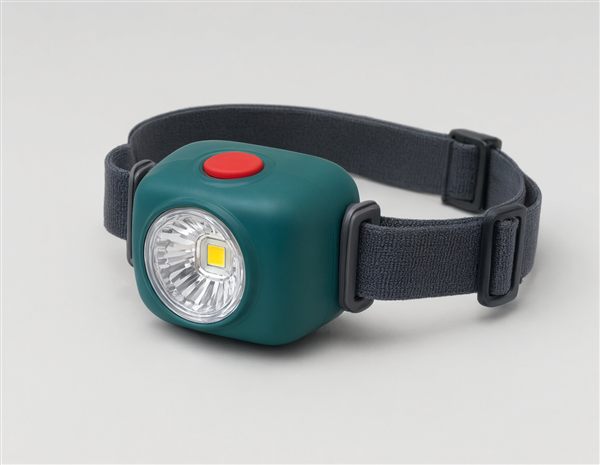
Black Diamond Spot 400
| Output | 400 lumens |
|---|---|
| Waterproof | IPX8 |
| Night mode | Red light preserves vision |
| Power | Replaceable batteries |
Buy this if
- Any hike could end after sunset
- You want hands-free light, not a phone
- Storm-proofing matters in your weather
Skip if
- Day hikes in full summer daylight, always
- You prefer rechargeable-only units
The Spot 400 hits the output a hiker actually needs — 400 lumens lights a trail confidently, not just a tent — with IPX8 waterproofing that survives rain and creek drops. The red night mode protects night vision for predawn starts and camp tasks. Replaceable batteries mean the lamp never becomes a brick mid-trip the way a drained rechargeable does; carry spares and it outlasts any phone flashlight. The spot beam handles distance, the flood covers the near trail. For pure camp use a smaller lamp is fine — this one earns its place on the trail after dark.
Pros
- 400 lumens lights the real trail
- IPX8 storm-proof
- Replaceable batteries mid-trip
Cons
- Not rechargeable in base form
- Bulkier than minimal camp lamps
Complete the kit
Full Comparison Table
| Essential | Product | Best For | Buy |
|---|---|---|---|
| Daypack | Osprey Talon 22 · 22L | Day hikes, beginners | Amazon → (paid link) |
| Hydration | Katadyn BeFree 1.0L · 3 oz | Trail water safety | Amazon → (paid link) |
| Lighting | Black Diamond Spot 400 · IPX8 | Early starts, emergencies | Amazon → (paid link) |
Common beginner mistakes
- Wearing cotton — cotton socks and shirts hold sweat and lose insulation when wet; wool and synthetic only.
- Phone-only navigation — offline maps help until the battery dies; carry the paper backup.
- No headlamp — “we’ll be back before dark” fails more often than any weather forecast.
- Overpacking the daypack — a 30L+ pack invites gear you will not use; keep day volume at 20–24L.
- Telling no one the plan — a shared route and return time is the cheapest rescue insurance there is.
Frequently Asked Questions
What do you need for a first day hike?
Do I need a water filter for day hiking?
How is hiking different from walking?
How much water should I carry on a day hike?
Can I just use my phone for navigation?
Do I need hiking boots or are trail shoes enough?
Related Guides


