
The Best Weapon Against Snakes
A practical guide to avoiding snake encounters, reducing attractants and knowing when to call for help.

On this page
homeowners and campers in snake country who want prevention that actually works — plus an honest read on repellents, snake guns, and when to call someone.
camping in snake country? review the wider risk list in dangers of camping in the woods.
Snake in your house? Trail safety gear is different from home removal — see how to get snakes out of your house on HowToRepel.com.
The best response to a snake encounter is space, not a confrontation. This guide separates prevention around a property from the immediate steps to take on a trail or at a campsite.
What attracts snakes to your property?
Birds, rodents and other prey
Prey varies by snake species. Rodents, birds, frogs, lizards and eggs can make a property attractive to snakes.
If these small animals frequent your property, there’s a high probability that snakes will too.
Although it might be hard to know if you have rodents around, you can look around your property and get rid of them. Mice, for example, will make their homes in empty spaces and fields and woodpiles. They might also dig burrows under the ground to hide from predators.
Tall grass and ground cover
Most snakes spend a lot of time on the ground. They, however, prefer to seek shelter in tall grass and plants where they can camouflage and stay away from predators, hunt, and rest as well. Leaf piles also provide the perfect place for snakes to hide as they cool off the hot sun.
Shelter and shade
Snakes use their surroundings to regulate body temperature. Sheltered spaces around a building or campsite can offer cover; do not reach into them without checking.
It is easy to find snakes hiding in bushes, the shed, garage, and woodpiles on your property. These places shelter them and give them a place to rest as they hide from predators or wait for food.
Pet food and birdseed
When you have dogs or cats, you might be tempted to leave their food out for long periods. After all, this is an easy way to ensure that they feed as they should. You might not know that this can attract snakes to your property.
Accessible pet food can attract rodents, which in turn provide prey for some snakes.
You can also attract rodents and invite snakes to your property through bird food.
Water and nearby prey
Many snake species love spending time in water and thrive in wet environments. Any puddles that form on your lawn or yard after it rains or after you water your grass might attract snakes.
Small water bodies not only help them to cool off but also help them to stay hydrated. Yes, snakes, just like any other living organism, need water to survive.
Besides providing a place to cool off and hydrate, water bodies such as water baths for birds and fish ponds provide snakes with food.
What to do when you see a snake
Distance and prevention are the useful first responses. Do not use household remedies, smoke, pets or firearms to force an encounter. For an indoor snake or one that cannot be avoided, call animal control.
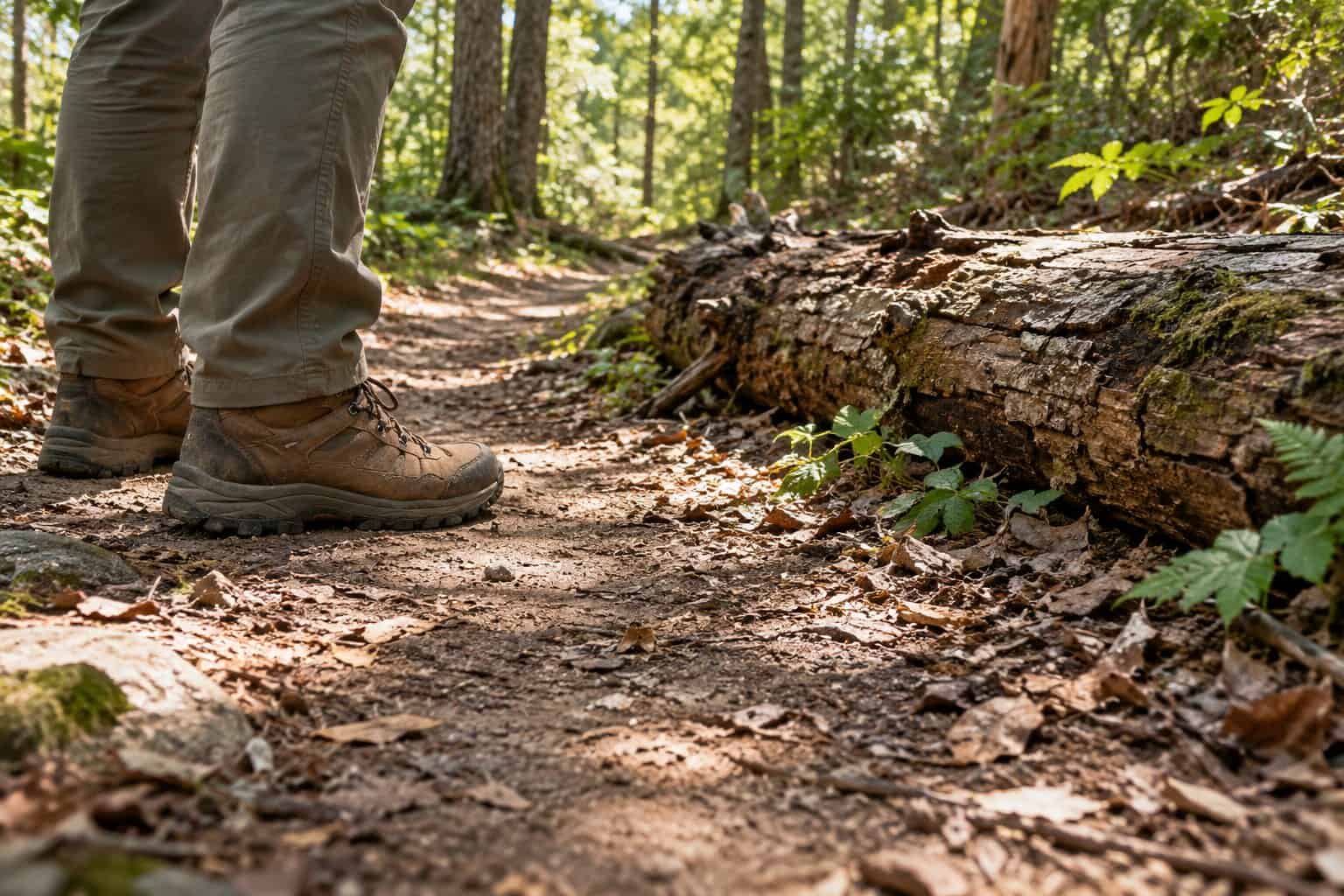
Practical prevention around your property
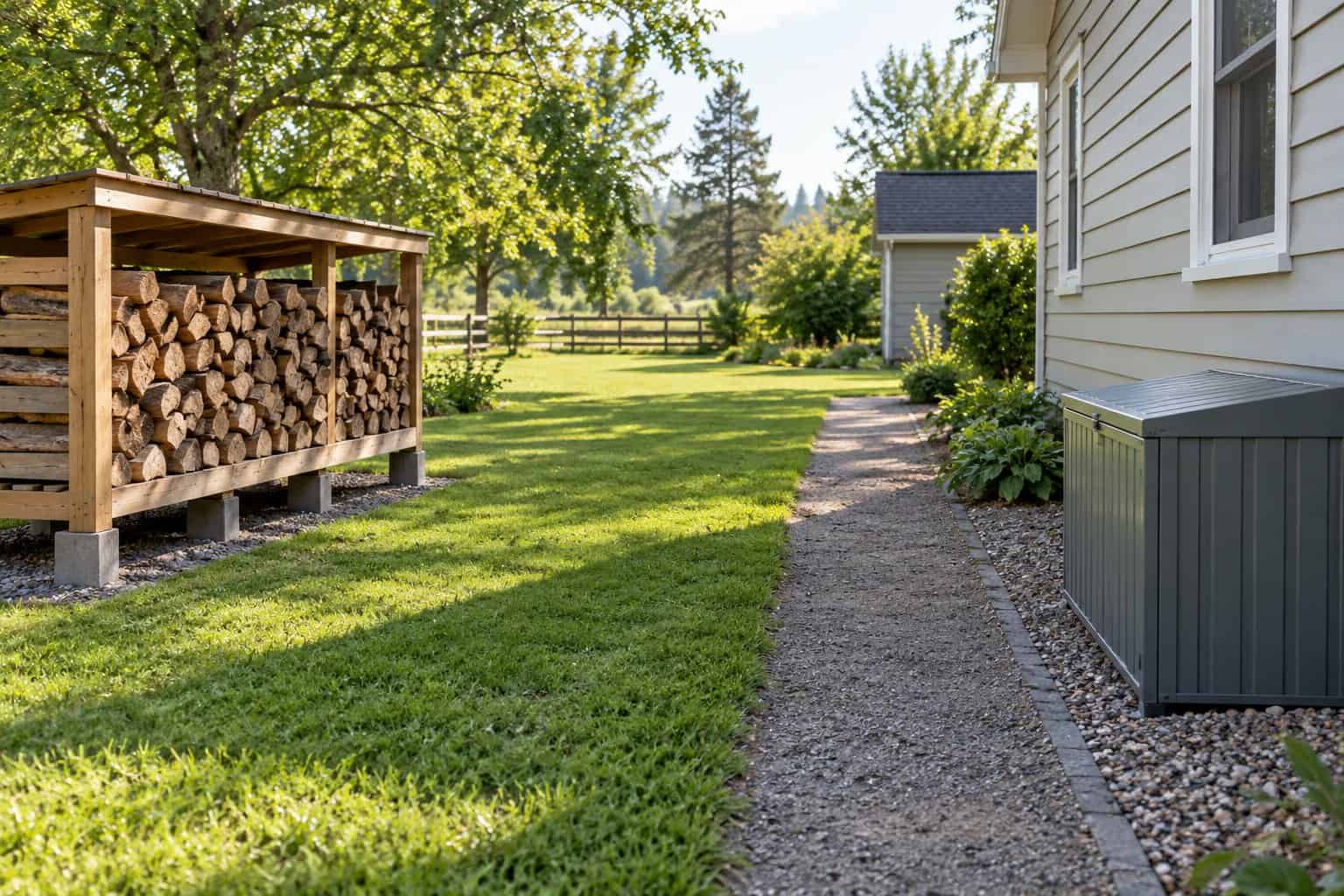
Reduce food attractants
Start with avoidable attractants: spilled birdseed, accessible pet food and unsecured rubbish can support rodents. Reducing these attractants can make the area less inviting, but cannot guarantee that snakes will stay away.
Ensure that you avoid leaving pet food outside, clean up any food crumbs left after your pets feed, and avoid storing pet food outside. This reduces an avoidable food source for rodents.
You can also hire a professional exterminator to get rid of rodents. Additionally, you can also set traps, get rid of hiding spots such as woodpiles, and cover up any holes and caves where they may be hiding.
For poultry housing, ask about appropriate exclusion for gaps and openings while maintaining the ventilation and access the animals need.
Reduce hiding places
Reduce clutter and keep vegetation around frequently used routes trimmed. Check before moving stored materials; if you suspect a snake is already sheltering there, keep clear and ask for help rather than putting your hands into a hidden space.
Therefore, seal any cracks on your walls, frequently cut your lawn, get rid of weeds and trim any bushes and shrubs on your property.
Do not smoke snakes out
Do not light a fire or add smoke to drive out a snake. Leave it space and contact animal control if it is inside a building or cannot be safely avoided.
Landscaping and exclusion
A wildlife professional can assess whether exclusion is suitable for a particular building or boundary. A strip of material alone is not a guaranteed snake-proof fence: gaps, gates and maintenance matter.
Gravel, pine cones and sharp leaves should not be treated as a reliable snake barrier. Keep routes clear and ask a wildlife professional about appropriate exclusion for the site.
You can also fill any foundational gaps and lawn holes that can fill up with water and form pools and puddles that attract snakes. Make sure also to raise birdbaths and keep snakes from fish ponds by fencing the area and trimming grass around the area.
Keep pets away from snakes
Do not introduce predators or use pets to confront snakes. Keep pets away and use habitat management and professional exclusion advice.
Fox urine and similar scent products are not a dependable safety barrier. Do not rely on them to make a campsite safe.
Repellent remedies to avoid
Household chemicals and scented products should not replace distance, habitat management and professional help. The following remedies are not recommended as reliable snake protection.
Do not soak rags in ammonia or spray it into hiding places. It is not a reliable snake-control method and can expose people and animals to irritating fumes.
Do not add vinegar to ponds or other water bodies to deter snakes. Manage attractants and consult a wildlife professional instead.
Do not scatter sulfur or lime as a snake barrier. Extension guidance does not support relying on these remedies for protection.
Do not place mothballs in cracks, yards or campsites for snake control. Mothballs have little effect on snakes and must only be used as their pesticide label permits.
However, be cautious when using mothballs as they are toxic and fatal when ingested by pets or children.
Garlic, onion and essential-oil remedies are not a dependable substitute for snake avoidance.
Why a snake gun is not a routine solution
Do not approach, handle or try to shoot a snake as a routine response. Back away, keep others clear and call animal control where removal is needed.
Trying to kill a snake brings you closer to it and adds firearm and ricochet risks. Keep your distance.
Keep children and pets away from the snake and let a qualified professional assess removal.
When to call a snake-removal professional
Call local animal control or a qualified wildlife-removal service for a snake indoors, an encounter that cannot be avoided, or uncertainty about safe removal. You do not need to try home remedies first.
Keep people and pets away while waiting. Tell the service where the snake was last seen; do not corner it or try to hold it in place.
Ask the service how it handles the species and follows local wildlife requirements; do not attempt relocation yourself.
Professional help reduces the need for close contact, but no removal method guarantees safety. Keep people clear while waiting.
The practical takeaway
Snakes are part of the ecosystem on earth, and you might interact with them once in a while. Most of the time, these interactions will be harmless, but there is no guarantee this will be the case all the time. Remember, prevention is better than cure. As such, you stand a better chance of protecting yourself from snakes by keeping them away than trying to fight them off.
Sources and further reading
- CDC/NIOSH — Venomous Snakes and Outdoor Workers
- Mayo Clinic — Snake Bites: First Aid
- UGA Extension — habitat management and snake encounters
Snake defence FAQ
Related Guides


