

Best Rechargeable Camping Lanterns in 2026 (Researched & Compared)
Quick answer: a rechargeable lantern with USB pass-through and real dimming beats disposable batteries for car camping — Black Diamond’s Apollo is the all-round standard, BioLite’s AlpenGlow 500 does campsite ambiance better than anything else, and MPOWERD’s Luci is the pack-flat solar backup that never needs a cable.
Below are five lanterns across camps and budgets — the USB power-bank standard, the ambient-color pick, the hand-crank power hub, the inflatable solar lantern, and the budget 1000-lumen workhorse — plus the lumen honesty and run-time notes that decide whether the lantern lasts the whole trip or dies at the marshmallows.
Start here — pick your lantern
Scoring rubric (weights)
Overall score = weighted average of the four bars. Amazon star averages are not the score.
How we ranked these
We compared each lantern on light quality at real camp distances (not peak-lumen marketing), battery run-time at usable brightness and how it recharges (USB, crank, solar), weatherproofing and drop survival, and price. A lantern that runs two hours at full blast and three at nothing fails the trip regardless of its lumen ceiling.
Which lantern for your trip?
Light plus USB
The lantern doubles as the phone’s power bank.
Fire-colored glow
Warm color modes turn the picnic table into a living room.
Crank never dies
Hand-crank top-up plus USB hub for storm kits.
Flat in the pack
Inflate at camp, charge on the dash by day.
Lumen & Runtime Notes — The Honest Math
- Lumens, honestly: 100–250 lumens covers tent and table tasks; 500+ belongs to burst modes for cooking areas and group gatherings. Dimming matters more than peak output — a lantern that only runs full blast blinds the table and drains the battery.
- Run-time is the trip-length spec: check the run-time at a usable mid setting, not the low-mode marathon or the high-mode sprint. A weekend lantern needs 6+ hours at tent brightness between charges.
- USB pass-through earns its keep: lanterns that charge out to phones double as power banks — one device, two jobs. At cold camps the battery that lit the table also revives the phone that photographed it.
- Rechargeable vs AA strategy: rechargeable wins lifetime cost for regular campers; dual-power models with AA backup earn their place in emergency kits. The honest emergency play is a crank or solar top-up, not a drawer of batteries.
- Lantern plus headlamp, not either: lanterns light shared spaces; a headlamp handles trail walks, tent setup, and midnight bathroom runs. The two are a pair, not competitors.
Camp notes that matter
- Warm light modes preserve night vision at the fire — save the cold white for finding things in the gear box.
- Cold saps lithium batteries: below freezing, keep the lantern in the sleeping bag’s footbox overnight and it starts bright.
- Hang lanterns high and diffuse — a lantern on the table casts everyone’s shadow onto everything; hung from a ridge line it lights the whole site.
- Solar top-ups like the Luci are trickle charges, not refills — dash charging by day stretches trips, it does not replace a wall charge.
The five picks below cover every camp lighting mission.
Camp lantern — decision rules
- Choose the Black Diamond Apollo for the all-round USB standard that lights the table and charges the phone.
- Choose the BioLite AlpenGlow 500 when evening ambiance is the point of the lantern.
- Choose the Goal Zero Lighthouse 600 for crank insurance and the emergency power-hub role.
- Choose the MPOWERD Luci for backpackable solar light that packs to the size of a notebook.
- Choose the LE Rechargeable Lantern for maximum lumens per dollar in the budget tier.
What to Look For — Buyer’s Guide
Match the lantern to your trip length and power access — runtime at usable brightness is the spec that matters.
Key Factors at a Glance
100–250 lumens for tents and tables; 500+ for cook zones and group sites. Weight the dimmer over the ceiling — usable range is what gets used.
USB-C in, USB out, crank, and solar are four different insurance policies. Car campers need USB in/out; remote-trip campers want solar or crank top-ups.
IPX4 shrugs rain; real storm duty wants more. Fabric and translucent diffusers survive drops better than glass panels.
Inflatables pack to notebook size; hard-body lanterns take shelf space but survive abuse. Match the lantern’s home to how the pack is loaded.
The 5 Lanterns That Light the Camp
(not Amazon stars)
Black Diamond Apollo Rechargeable Lantern
| Output | 250 lumens max |
|---|---|
| Battery | Rechargeable, USB out |
| Stand | Collapsible folding legs |
| Extras | Dimmer, dual-hook hang |
Buy this if
- One lantern should light the table and save the phone
- You want climbing-brand build quality
Skip if
- Ambient mood lighting → AlpenGlow
- Budget builds → the LE pick
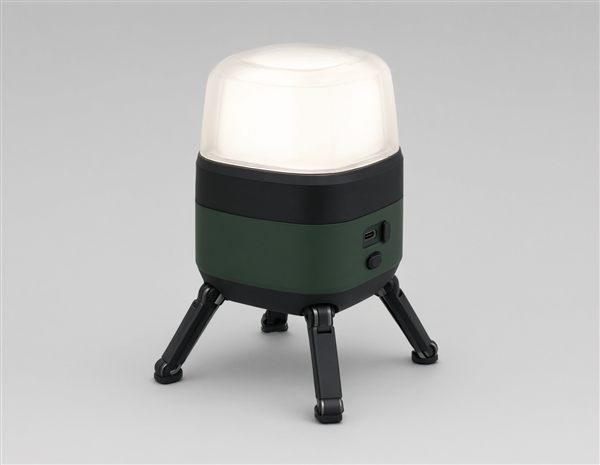
The Apollo is the lantern that treats a campsite like a workspace: a 250-lumen dome with a proper dimming range, USB recharge with pass-through charging so the lantern moonlights as the phone’s power bank, and Black Diamond’s collapsible legs that fold it flat and double as a handle. The output ceiling is honest — bright enough for the cook table and the card game, not a searchlight — and the run-time at usable settings is the class standard. It comes from a climbing-gear company, and the build reads that way: sealed, dropped-tested, and boring in the best sense. For the camper who wants one lantern that does the whole job for years, this is it.
Pros
- USB charge-out doubles as power bank
- Collapsible legs pack it flat
- Genuine dimming range
Cons
- 250-lumen ceiling, not a floodlight
- Premium price for the output
Complete the kit
(not Amazon stars)
BioLite AlpenGlow 500 Lantern
| Output | 500 lumens max |
|---|---|
| Modes | Warm, cool, color cycles |
| Weather | IPX4 splash resistant |
| Extras | USB rechargeable |
Buy this if
- Evening ambiance is half the reason for the lantern
- Kids and the campfire-adjacent glow
Skip if
- Task-lighting priority → the Apollo
- Maximum runtime needs
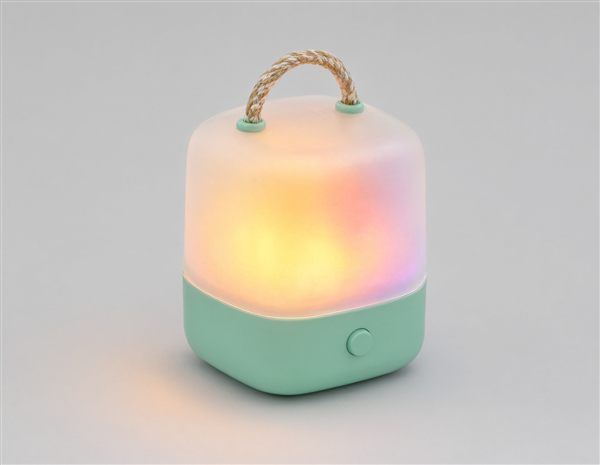
The AlpenGlow 500 is the lantern that understands what evenings at camp are actually for: ChromaReal LED mixing that produces a warm alpenglow mode indistinguishable from firelight, a cool white for finding the matches, and color cycles that turn the tent into the trip’s best photograph. At 500 lumens it has the muscle for the cook zone when needed. The battery is honest mid-class — USB rechargeable, with the colorful modes eating runtime faster than the plain ones — and the soft translucent body handles weather and drops with aplomb. It is the pick for campers whose lantern is part of the evening’s atmosphere, not just its utility.
Pros
- Warm mode reads as firelight
- Color modes for ambiance
- IPX4 and drop-tolerant body
Cons
- Color modes drain the battery faster
- Task-light run-time trails the Apollo
Complete the kit
(not Amazon stars)
Goal Zero Lighthouse 600 Lantern & Power Hub
| Output | 600 lumens max |
|---|---|
| Recharge | USB + hand crank |
| Charge out | USB hub for devices |
| Role | Camp and storm-kit dual duty |
Buy this if
- The lantern also lives in the emergency kit
- Crank insurance appeals to the remote-camp planner
Skip if
- Weight-conscious packs → the Luci
- Ambiance-first camps → AlpenGlow
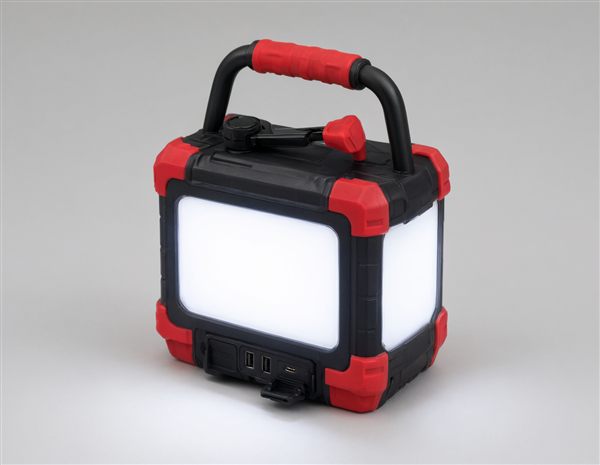
The Lighthouse 600 is Goal Zero’s argument that a lantern should never be out of options: twin 600-lumen panels for real area light, USB recharge at camp, and a folding hand crank that generates light from nothing when the battery and the power bank are both long dead — the feature that earns it a permanent spot in the storm kit as much as the gear tote. The USB hub charges phones and small devices, completing the power-station role. It is heavier and less charming than the picks around it, and the crank is trickle insurance rather than practical recharging. As the lantern bought once for a decade of camps and outages, it is the one that keeps working when everything else has stopped.
Pros
- Hand-crank generation from empty
- USB hub charges devices
- 600-lumen area light
Cons
- Heavier than pure camp lanterns
- Crank is trickle, not refill
Complete the kit
(not Amazon stars)
MPOWERD Luci Original Solar Inflatable Lantern
| Output | 65 lumens |
|---|---|
| Recharge | Solar panel + USB-C |
| Packed | Flat, inflatable body |
| Weather | Fully waterproof |
Buy this if
- The lantern rides in a backpack or a glove box
- Solar top-up appeals for long trips
Skip if
- Table-filling task light → bigger picks
- Fast-charge expectations from solar
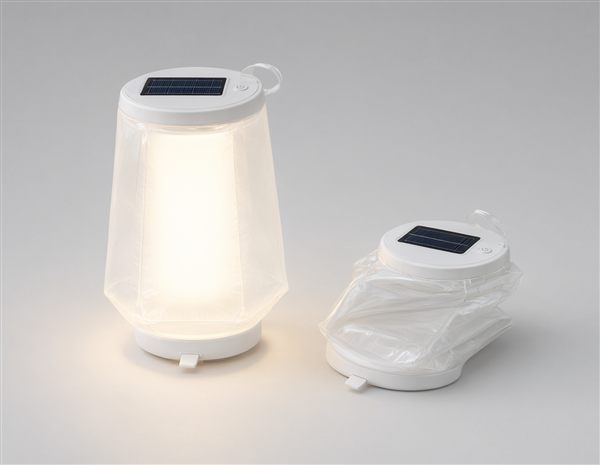
The Luci Original is the lantern that disappears into the pack until it is needed: a deflated waterproof pillow that inflates into a 65-lumen globe, charged by its own solar panel on the dash or picnic table, or by USB-C when the sun is on strike. Sixty-five lumens is honest tent-and-card-game territory — not cook-zone light — and the solar panel is a trickle charger that extends trips rather than replaces cables. It floats, it survives weather that kills hard lanterns, and it costs about the same as a takeaway dinner. As the backup lantern in every pack, boat box, and glove compartment, it has quietly become one of the most-carried lights in camping.
Pros
- Packs flat and weighs ounces
- Solar trickle plus USB-C
- Fully waterproof and floats
Cons
- 65 lumens — backup-tier output
- Solar charges slowly
Complete the kit
(not Amazon stars)
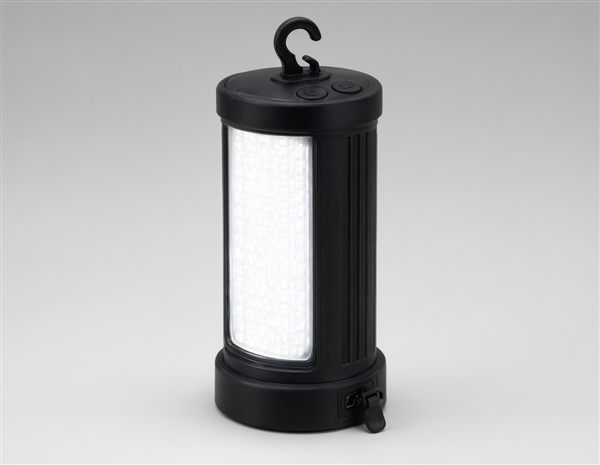
LE Rechargeable LED Camping Lantern (1000 lm)
| Output | Up to 1000 lumens |
|---|---|
| Recharge | USB |
| Mount | Top hanging hook |
| Best for | Budget camps and car kits |
Buy this if
- The budget tier decides the purchase
- You want floodlight capability for cheap
Skip if
- Premium build expectations → the Apollo
- Ambiance needs → AlpenGlow
The LE lantern is the budget tier done right: a tall rechargeable body with a legitimate 1000-lumen ceiling for the flood moments, a hanging hook that fits ridge lines and awnings, and controls that anyone at camp can figure out without the manual. The run-time at max output is the honest trade — big lumens drain the battery fast, so the lower settings are where a weekend actually lives. Build is budget-grade rather than climbing-brand, and the light quality is workmanlike white rather than atmospheric. For first kits, spare lanterns, group camps on a budget, and anyone whose lantern requirements top out at “bright and cheap,” it delivers without embarrassment.
Pros
- 1000-lumen ceiling for the price of lunch
- USB rechargeable with hook
- Simple, camp-proof controls
Cons
- Max mode drains the battery fast
- Budget-tier build and light quality
Complete the kit
Full Comparison Table
| Product | Power | Best For | Buy |
|---|---|---|---|
| Black Diamond Apollo | USB rechargeable + out | All-round base camp lighting | Amazon → (paid link) |
| BioLite AlpenGlow 500 | Ambient color rechargeable | Campsite ambiance | Amazon → (paid link) |
| Goal Zero Lighthouse 600 | Crank + USB hub | Camp and emergency dual duty | Amazon → (paid link) |
| MPOWERD Luci | Inflatable solar | Backpackable solar backup | Amazon → (paid link) |
| LE 1000-lumen Lantern | Budget USB rechargeable | Budget and backup lighting | Amazon → (paid link) |
Common mistakes
- Buying on peak lumens alone — a 1000-lumen ceiling that runs 90 minutes is worse at camp than a 250-lumen lantern that runs 20 hours; dimming range and run-time at usable brightness are the specs that decide the trip.
- No recharging plan for the trip length — a USB-only lantern on a five-night trip without a power bank dies mid-trip; pair USB lanterns with a bank, or carry crank/solar top-ups for remote camps.
- Leaving lithium batteries in the cold tent — sub-freezing nights gut battery output by morning; sleep the lantern in the sleeping bag’s footbox and it wakes up bright.
- Lantern on the table, shadows everywhere — a table-level light casts everyone’s shadow across the cook zone; hang it from a ridge line or lantern hook and the whole site lights evenly.
- Skipping the headlamp — lanterns light shared space, not walks; trail use and midnight runs want a headlamp. The pairing is the plan, not an either/or.
Frequently Asked Questions
How many lumens do I need for a camping lantern?
Rechargeable or AA battery lanterns?
How long should a camping lantern run?
Can a camping lantern charge my phone?
Should I also pack a headlamp?
Related Guides


