

Best Ski Helmet Bluetooth Speakers in 2026 (Researched & Compared)
Quick answer: drop-in helmet speakers beat over-ear headphones on the slopes — they sit in audio-ready ear flaps and keep ambient sound audible — OutdoorMaster’s MZ04 is the glove-friendly standard, Sena’s Snowtalk 2 adds rider-to-rider intercom for groups, and Wildhorn’s Alta covers the value tier.
Below are four helmet audio systems across budgets and missions — the dial-control drop-in standard, the group communicator with boom mic, the value Bluetooth pads, and the wired budget classic — plus the compatibility and safety notes that decide whether the kit works with your helmet and the mountain.
Start here — pick your audio
Scoring rubric (weights)
Overall score = weighted average of the four bars. Amazon star averages are not the score.
How we ranked these
We compared each system on sound quality at lift-ride and run volume (helmet speakers, not studio monitors), whether the controls work with ski gloves on, how batteries and Bluetooth hold up in cold, and price. A system you must remove a glove to operate, or that dies at 20°F, has failed the mountain regardless of its audio specs.
Which audio for your season?
Dial it up
Big-glove volume control and 8-hour battery.
Talk across riders
Intercom keeps the party and the lessons in contact.
Bluetooth for less
Drop-in pads with mic at the value price.
Wired classic
Plug into the phone in the pocket and ski.
Helmet Audio Notes — Compatibility First
- Audio-ready helmets are the prerequisite: drop-in systems need helmets with audio-ready ear cutouts or removable ear pads. Check your helmet’s manual before buying — and never drill a non-audio shell, which can void its safety certification.
- Why not over-ear headphones: cans under a helmet break the helmet’s fit and seal, hurt over a full day, and block the ambient sound that keeps you safe. Drop-in speakers sit in the ear flap and keep riders and announcements audible at sensible volume.
- Volume is a safety setting: keep it low enough to hear other riders, lift operators, and resort announcements. The mountain mixes blind rollers and fast traffic — situational awareness is the whole reason drop-ins exist instead of noise-canceling.
- Cold is the real battery test: lithium cells lose capacity fast below freezing; keep the phone in an inside pocket, expect shorter runtime on the coldest days, and charge fully each night of a trip.
- Glove controls decide daily joy: the difference between a big dial or oversized buttons and a tiny multifunction button is taking a glove off on every lift. Test the control with the actual gloves you ski in.
Slope notes that matter
- Pair the system at home, not in the parking lot — cold fingers and Bluetooth menus are enemies.
- Store the phone in an interior pocket: cold saps the battery feeding the audio as fast as the speaker’s own.
- Remove the speakers before helmet travel bags crush them — the pads survive skiing better than packing.
- Wired systems on race or training days: check governing rules on audio before course time.
The four picks below cover every helmet audio mission.
Helmet audio — decision rules
- Choose the OutdoorMaster MZ04 for the glove-friendly drop-in standard most helmets accept.
- Choose the Sena Snowtalk 2 for rider-to-rider intercom and group communication.
- Choose the Wildhorn Alta for value Bluetooth drop-ins with hands-free mic.
- Choose the UCLEAR Digital Pulse for the cheapest wired audio upgrade.
What to Look For — Buyer’s Guide
Confirm your helmet is audio-ready first, then pick glove controls, then intercom needs, then price.
Key Factors at a Glance
Audio-ready ear flaps or removable pads are the requirement — check the helmet manual before any purchase, and never modify a shell that was not built for audio.
Bluetooth drop-ins give phone-free control and calls; wired systems cost less and never need charging but tether you to the phone in a pocket. Choose by tolerance for cables and charging.
Sena-class communicators link riders across the mountain — a real feature for families, instructors, and groups. Personal-audio systems cost a third as much and skip the intercom entirely.
Check cold-weather runtime claims skeptically — real days at 15°F cut lithium life. Interior-pocket storage and nightly charging are part of the habit.
The 4 Systems That Sound Good on Snow
(not Amazon stars)
OutdoorMaster MZ04 Wireless Helmet Drop-In Headphones
| Type | Wireless drop-in discs |
|---|---|
| Controls | Oversized dial, glove-operable |
| Battery | About 8 hours |
| Mount | 3M pads into ear flaps |
Buy this if
- Music-first resort days with zero fuss
- Glove-on volume control is non-negotiable
Skip if
- Group intercom needs → the Sena
- Absolute lowest budget → the wired pick
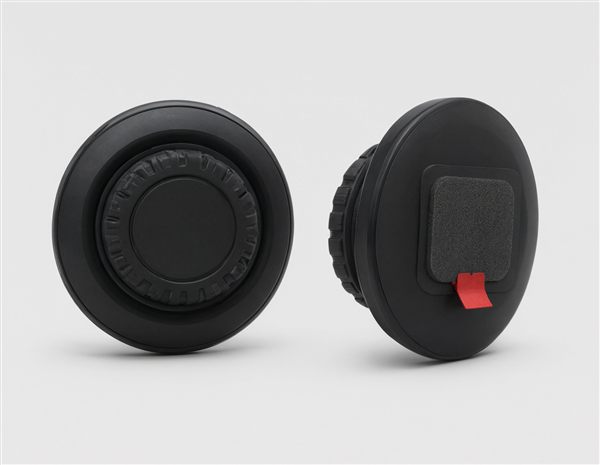
The MZ04 is the helmet-audio pick that solved the category’s real problems: big round drop-in discs that mount into any audio-ready ear flap with 3M pads, an oversized control dial you actually operate with ski gloves on, and Bluetooth 5.0 that stays paired from parking lot to last chair. The sound is full and clear at lift-ride volume — not audiophile, which is not the job — and the battery covers a real resort day. OutdoorMaster’s ski-side lineage shows in details like sweat resistance and the storage case. It does not intercom, and the deepest-cold days trim the runtime. As the default music system for resort skiing, it is the pick everyone else is chasing.
Pros
- Glove-friendly oversized dial
- Drop-in fit for audio-ready helmets
- Full-day battery with case
Cons
- No rider-to-rider intercom
- Good sound, not audiophile
Complete the kit
(not Amazon stars)
Sena Snowtalk 2 Bluetooth Helmet Communicator
| Type | Bluetooth communicator system |
|---|---|
| Intercom | Rider-to-rider, multi-user |
| Audio | HD speakers, boom mic |
| Role | Families, instructors, groups |
Buy this if
- The group needs to talk across the mountain
- Instructors or parents coordinating riders
Skip if
- Solo music days — the price buys intercom you won’t use
- Budget builds → the value picks
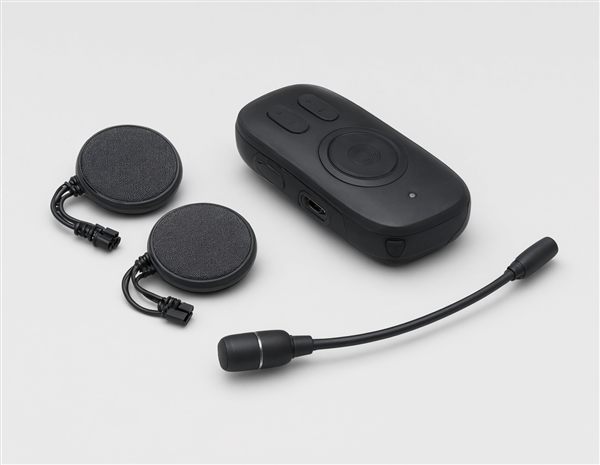
The Snowtalk 2 brings Sena’s motorcycle-communicator engineering to snow helmets: HD speakers and a proper boom mic that mounts inside the ear flap, Bluetooth music and calls for one rider, and the intercom that links a group across the mountain — the feature that turns “where did everyone go” into a solved problem. Families with spread-out kids, instructors, and powder posses are who it is built for, and the build quality is the communication-grade standard the brand is known for. It is the most expensive system here by a wide margin, and solo riders who only want music are paying for hardware they will never key up. For groups that actually communicate, it is the tool that changes the day.
Pros
- True rider-to-rider intercom
- HD speakers and boom mic
- Communication-grade build
Cons
- Premium price for solo riders
- Intercom setup takes learning
Complete the kit
(not Amazon stars)
Wildhorn Alta Wireless Bluetooth Drop-In Headphones
| Type | Wireless drop-in pads |
|---|---|
| Controls | Three-button, glove-operable |
| Mic | Built-in hands-free |
| Fit | Any audio-ready helmet |
Buy this if
- Bluetooth audio at the value price
- Slim pads for low-profile ear flaps
Skip if
- Group intercom needs → the Sena
- Audiophile expectations
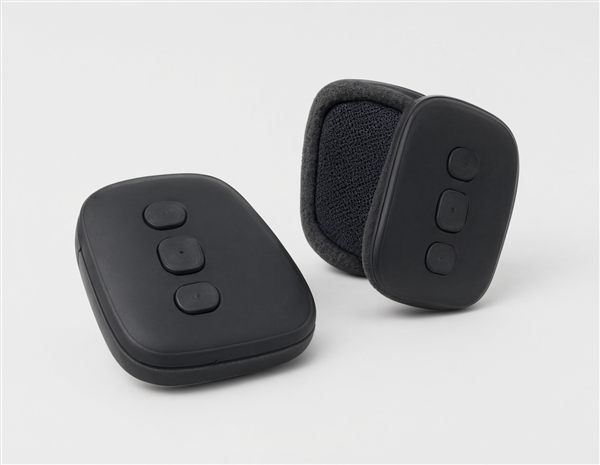
The Alta is Wildhorn’s value answer to helmet audio: slim rectangular pads that disappear into audio-ready flaps, three-button controls sized for gloves, a built-in mic for the lift-ride call, and Bluetooth that pairs once and stays. The sound is honest mid-tier — full enough for resort days, without the depth of the Sena’s HD drivers — and the battery covers a standard day. At its price it is the system that lets a whole family ski with music for the cost of one premium unit, which is the actual arithmetic most households run. For music-and-calls without the intercom or the premium, it is the pick that respects the budget.
Pros
- Value price for full Bluetooth
- Slim low-profile fit
- Glove-sized button controls
Cons
- Mid-tier sound depth
- No intercom capability
Complete the kit
(not Amazon stars)
UCLEAR Digital Pulse Wired Helmet Speakers
| Type | Wired drop-in speakers |
|---|---|
| Connection | 3.5mm to phone |
| Power | Drawn from the device |
| Best for | Cheapest audio upgrade |
Buy this if
- The budget floor decides the purchase
- Cables beat pairing fights for you
Skip if
- Wireless freedom expectations
- Phone without a headphone jack (adapter needed)
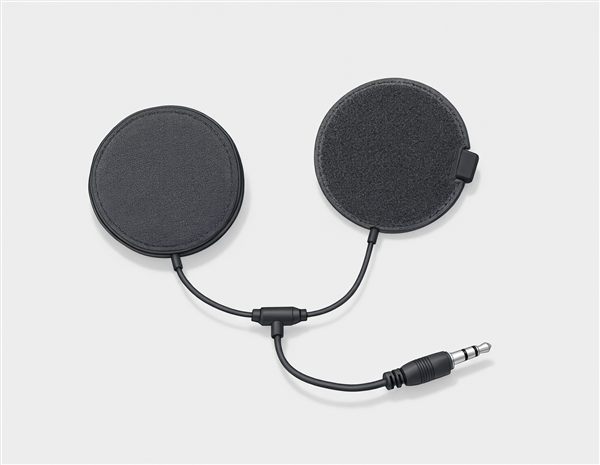
The Digital Pulse is the old-school answer that still works: flat wired HD speakers that velcro into helmet ear pockets and plug into whatever device rides in your jacket, with no battery, no pairing, and no charging ritual — the failure modes of wireless simply do not exist. UCLEAR’s speaker quality is genuinely better than the price suggests, which is why these pads have survived years of category churn. The costs are the cable (phone-in-pocket tether) and the adapter conversation for phones without a 3.5mm jack. As the cheapest real audio upgrade for a helmet, and the backup pair that lives in the ski bag fully charged forever — because it cannot be otherwise — it earns the slot.
Pros
- No battery, no pairing, no charging
- Better sound than the price implies
- Cheapest real entry
Cons
- Cable tether to the pocket
- Adapter needed on jack-less phones
Complete the kit
Full Comparison Table
| Product | Type | Best For | Buy |
|---|---|---|---|
| OutdoorMaster MZ04 | Wireless drop-in | Music-first resort days | Amazon → (paid link) |
| Sena Snowtalk 2 | Bluetooth intercom | Groups and instructors | Amazon → (paid link) |
| Wildhorn Alta | Value drop-in BT | Value Bluetooth audio | Amazon → (paid link) |
| UCLEAR Digital Pulse | Wired drop-in | Budget wired audio | Amazon → (paid link) |
Common mistakes
- Over-ear headphones under a helmet — they break the helmet’s fit and protection geometry, hurt over a full day, and block ambient sound. Drop-in speakers were invented to be the safe answer — use them.
- Buying before checking the helmet — drop-ins need audio-ready ear cutouts or removable pads; check the helmet manual first, because drilling a non-audio shell can void its safety certification.
- Volume that deletes the mountain — riders, lift operators, and grooming machines are part of slope safety; if the music covers them, the volume is a hazard, not a preference. Keep one ear on the hill.
- Tiny controls with ski gloves — a recessed multifunction button means a bare hand on every lift ride; oversized dials and big buttons are the difference between daily use and daily annoyance.
- Trusting battery specs at 15°F — lithium capacity collapses in cold; plan on noticeably shorter runtime on frigid days, keep the phone warm inside a jacket, and charge every night of the trip.
Frequently Asked Questions
Can I add speakers to any ski helmet?
Is it safe to listen to music while skiing?
Bluetooth or wired helmet speakers?
Can helmet speakers talk to other riders?
How long do ski helmet speakers’ batteries last?
Related Guides


