
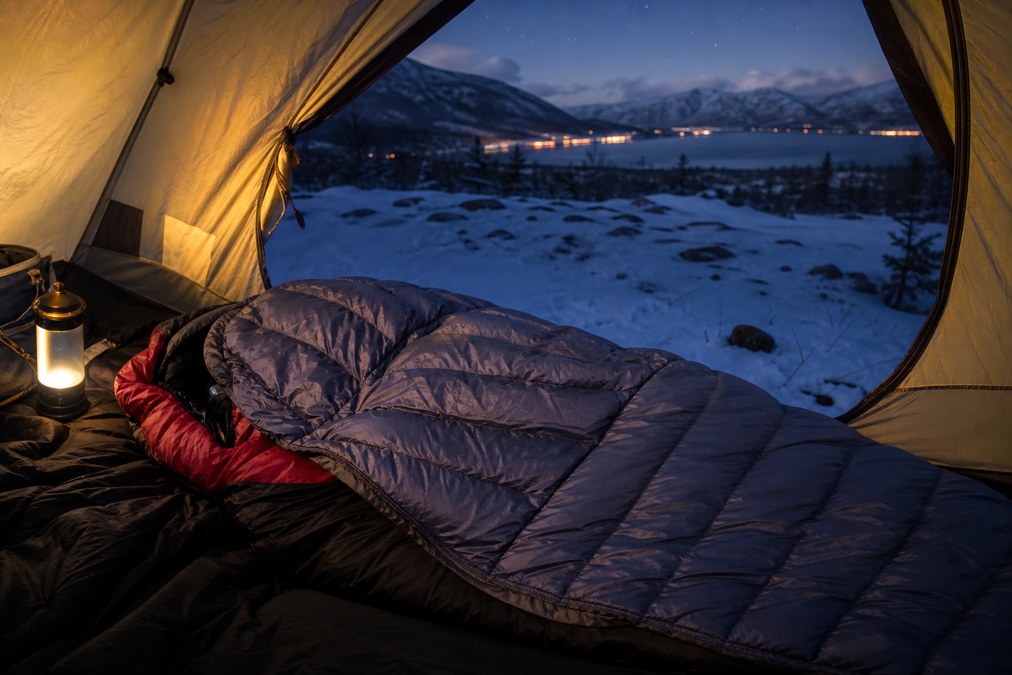
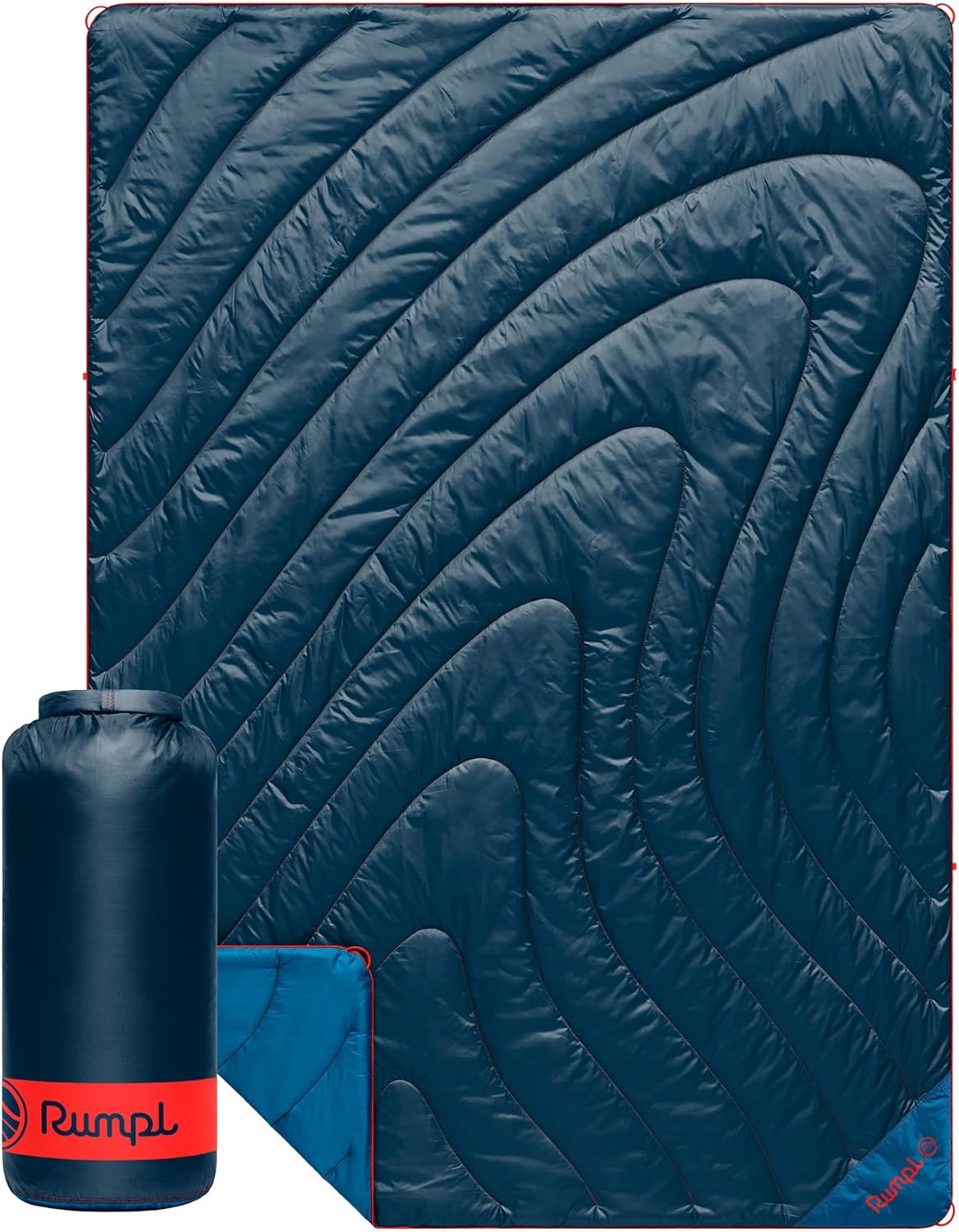
Best Winter Camping Blankets in 2026 (Researched & Compared)
Quick answer: a synthetic insulated camp blanket layers over your sleeping bag below freezing — Rumpl recycled synthetic and wool emergency blankets cover car camping and backup warmth.
Three blankets, three jobs: a packable synthetic layer for over your bag, a wool blanket for cabin and fireside nights, and a heavy budget wool blanket for the truck kit.
Pick your winter camping, then your blanket
Scoring rubric (weights)
Weighted toward warmth and staying dry, because a wet blanket at 20°F makes you colder than no blanket.
How we ranked these blankets
We compared insulation type against the conditions each blanket suits, then checked packed size, weight, and how the fabric behaves around a fire. Every pick had to still have a live Amazon listing with a product name matching what we recommend. We do not claim camping trips we did not take — these picks come from spec comparison and owner-reported experience.
Which blanket for which camper
You want an extra layer over a 20°F bag
A synthetic puffy blanket packs small, stays warm if it picks up damp, and layers over a bag to stretch its comfort range.
You want a blanket that lasts decades
Wool handles sparks that would melt a nylon puffy shell, and a wool blend is the blanket you keep in the truck or cabin for years.
You want spare warmth in the vehicle
Heavy and bulky, but the price makes it the sensible emergency layer to leave in the truck all winter.
Synthetic puffy vs wool — which do you actually need?
Rumpl Original Puffy (synthetic)
- Packs to about the size of a water bottle
- Stays warm when damp
- Machine washable, easy to keep clean
- Nylon shell dislikes fire sparks
- Best for layering over a sleeping bag
Pendleton Yakima (wool)
- Insulates even when wet
- Handles sparks and embers
- Heirloom build that lasts decades
- Heavy and bulky to pack
- Best for cabin, car, and fireside use
Layering and dryness notes
- A blanket supplements a sleeping bag — it does not replace one below freezing. Use it as a top layer inside or over the bag.
- Keep it off the tent wall. Condensation soaks the layer touching the fabric, and a damp blanket pulls heat out of you.
- Store it in a dry bag on the way in. A wet blanket at 20°F is worse than carrying nothing.
- Wool insulates when wet and resists sparks; synthetic lofts better per ounce and packs smaller. Match the fill to the trip.
Product photos are on each card below — self-hosted on OutdoorsPapa (no duplicate URLs in this strip).
Decision rules
- Choose the Rumpl Original Puffy if you car camp and want a packable synthetic layer to stretch a sleeping bag’s range.
- Choose the Pendleton Yakima if you want a wool blanket for cabin and fireside nights that will outlast everything else in your kit.
- Choose the Arcturus Military Wool if you want spare warmth in the vehicle at the lowest cost.
- Skip all three if you expect a blanket to replace your sleeping bag in sub-freezing conditions — that is not what a blanket does.
Why a Blanket Supplements — and Does Not Replace — Your Sleeping Bag
A camping blanket is a layering tool. Over a sleeping bag it traps an extra pocket of air and adds meaningful warmth; inside the bag as a top layer it does the same job. What it does not do is substitute for a bag below freezing, because it has no hood, no draft collar, and no way to seal around your shoulders. Trying to sleep under a blanket alone at 20°F is how people end up cold-injured.
Fill choice matters as much as warmth rating. Synthetic fills like Rumpl’s 100% recycled insulation and PrimaLoft keep insulating when damp, which matters in a tent where condensation is unavoidable. Down is warmer per ounce but loses most of its loft when wet, so it suits dry cold and car camping better than wet coastal winters. Keep your sleep system honest with a bag rated for the conditions — see our quilt vs sleeping bag guide.
What to Look For — Buyer’s Guide
Match each category to your trip length and climate — one proven pick per slot beats buying overlapping gear twice.
Key Factors at a Glance
Synthetic keeps insulating when damp. Wool insulates wet and resists sparks. Down needs dry cold.
Add it over or inside a sleeping bag — never as a replacement below freezing.
Keep it off the tent wall and store it in a dry bag on the way in.
Synthetic packs to about a water bottle. Wool is heavy and bulky but lives in the truck.
The 3 Best Winter Camping Blankets in 2026
(not Amazon stars)
Rumpl Original Puffy Blanket
| Fill | Recycled synthetic |
|---|---|
| Shell | 40D ripstop |
| Packed | About a water bottle |
| Wash | Machine washable |
Buy this if
- You car camp and want to stretch a sleeping bag's range
- You want a blanket that packs small
- You expect tent condensation
Skip if
- You want a fireside blanket
- You need the lowest cost option
- You plan to sleep under a blanket alone
Rumpl pioneered the "puffy blanket" category for a reason: 100% recycled synthetic insulation stays warm when damp, packs to the size of a Nalgene, and layers over a 20°F bag to stretch comfort toward single digits. Long-term owner reviews report roughly 10°F of added warmth when layered as a top quilt in real tent use.
Pros
- Packs to roughly the size of a water bottle
- Synthetic fill keeps insulating when damp
- Machine washable
- Layers easily over a sleeping bag
Cons
- Nylon shell dislikes fire sparks
- Costs more than wool emergency blankets
- Not a replacement for a bag below freezing
Complete the kit
(not Amazon stars)
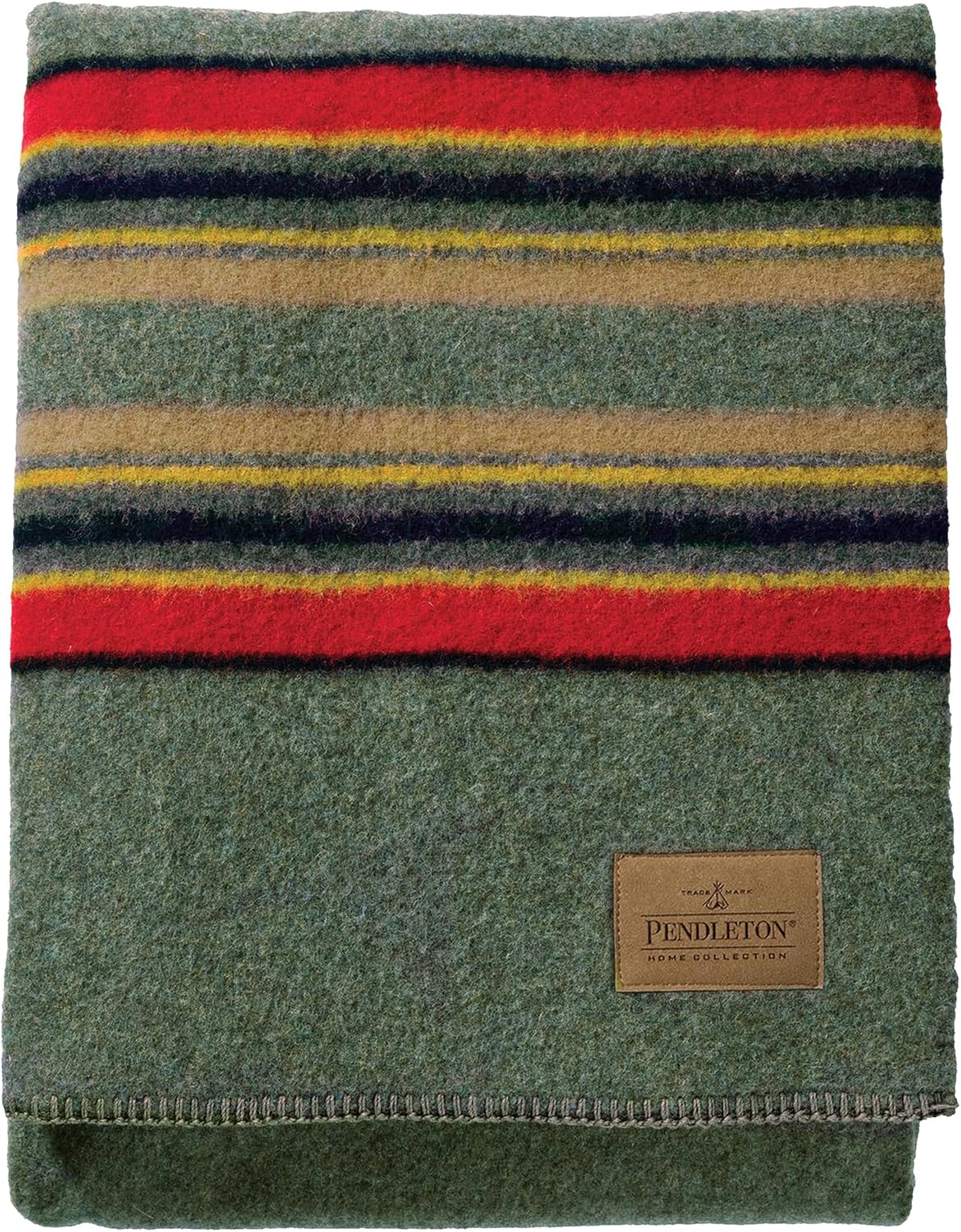
Pendleton Yakima Camp Blanket
| Material | 80% wool, 20% cotton |
|---|---|
| Use | Cabin, fireside, cold nights |
| Durability | Heirloom |
| Care | Spot clean, air out |
Buy this if
- You want a fireside or cabin blanket
- You want it to last decades
- You want warmth that survives damp
Skip if
- You need to pack it in a backpack
- You want the lowest cost
- You want a washable synthetic layer
Wool stays warm when synthetic loft compresses at the fire pit and handles sparks better than nylon puffy fabric — Pendleton's Yakima is the cabin-and-car-camping blanket you keep for decades, not ultralight trail nights.
Pros
- Wool blend insulates when damp
- Handles sparks and embers
- Heirloom build quality
- 80% wool, 20% cotton
Cons
- Heavy and bulky to pack
- Costs as much as a sleeping bag
- Not a backpacking item
Complete the kit
(not Amazon stars)
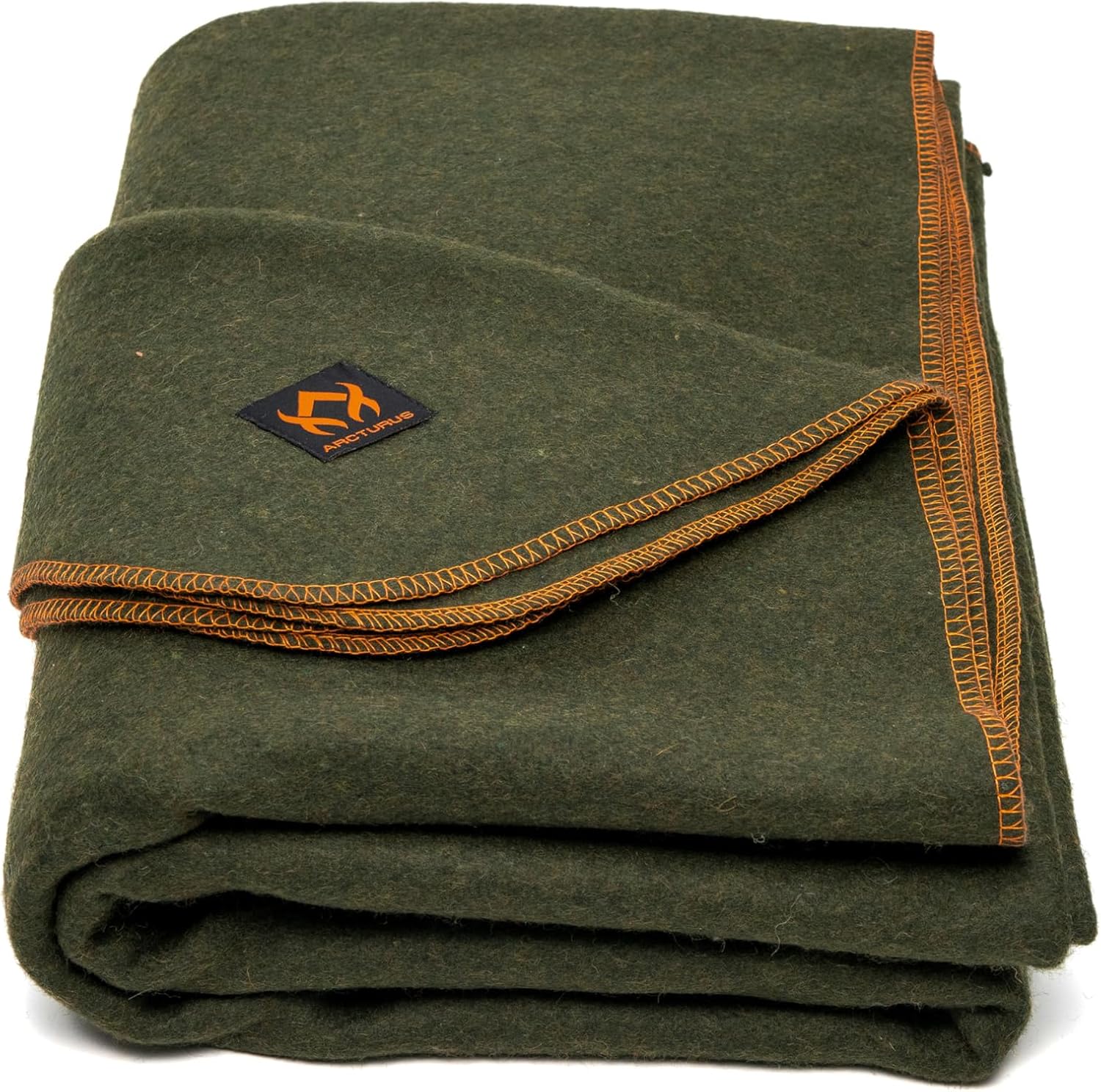
Arcturus Military Wool Blanket
| Material | 80% wool |
|---|---|
| Size | 66 x 90 in |
| Weight | 4.8 lb |
| Use | Emergency, truck camping |
Buy this if
- You want spare warmth in the vehicle
- You want wool at a budget price
- You want an emergency layer
Skip if
- You are backpacking
- You want a packable synthetic blanket
- You want a soft heirloom finish
Arcturus delivers truck-camp and emergency warmth at wool-blanket pricing — heavy compared to Rumpl, but damp-night insurance when you want a spare layer in the vehicle or draped over a 20°F bag below freezing.
Pros
- Low cost for real wool warmth
- 66 x 90 in covers a full sleeper
- Insulates when damp
- Good emergency layer for a vehicle
Cons
- 4.8 lb is heavy
- Bulky in a pack
- Rougher finish than a premium wool blanket
Complete the kit
Full Comparison Table
| Product | Insulation | Best For | Buy |
|---|---|---|---|
| Rumpl Original Puffy Blanket | Synthetic | Car camping, over-bag layer | Amazon → (paid link) |
| Pendleton Yakima Camp Blanket | Wool | Cabin, fireside, cold nights | Amazon → (paid link) |
| Arcturus Military Wool Blanket | Wool | Emergency backup, truck camping | Amazon → (paid link) |
Common winter blanket mistakes
- Trying to sleep under a blanket alone below freezing — A blanket supplements a bag. Alone at sub-freezing temperatures it is how people get cold injuries.
- Letting it touch the tent wall — Condensation soaks through the layer in contact with the fabric and kills its loft.
- Packing it damp — Synthetic and wool both hold moisture in the fibers. A wet blanket steals heat instead of holding it.
- Choosing down for wet coastal winters — Down loses most of its loft when wet. Synthetic or wool suits damp cold far better.
- Ignoring packed size — A blanket you cannot fit in the vehicle or pack is a blanket you leave at home.
Frequently Asked Questions
Blanket vs sleeping bag for winter camping?
Can a camping blanket replace a sleeping bag in winter?
What fill is best for a winter camping blanket?
How do I keep a blanket dry in a tent?
Is a wool blanket worth carrying?
How much should a winter camping blanket cost?
Related Guides


