

Best Camping TV Antenna in 2026 (Researched & Compared)
Quick answer: campsite TV reception depends on local transmitters, channel bands, terrain, antenna placement and the TV tuner. Check predicted coverage at the actual campsite, then test placement and rescan. No antenna size, price or advertised mileage guarantees a channel count.
Below are four antennas across camping styles — the passive magnetic-base option, the razor-thin premium flat, the reversible design pick, and the roof-mount workhorse — plus the reception physics that decide whether you get ten channels or a blue screen at your specific campground.
Start here — pick your antenna
Comparison criteria
Qualitative comparison; supporting evaluation records for numeric ratings were not established.
How we ranked these
Compare documented band coverage, setup, mounting limits and power requirements. No local reception test or measured head-to-head reception ranking is established here.
Which antenna for your camp?
Drawer to window
A passive magnetic-base antenna; test actual campsite reception.
Premium flat
An amplified indoor flat; no measured fringe-reception advantage.
Design that travels
Reversible finish, 10 ft of cable, table or window mount.
Bolt it down
Outdoor placement can help; no universal reception ranking.
Over-the-Air TV at Camp — The Physics First
- Check the map before the gear: the FCC’s DTV reception maps show which stations reach your campground’s zip. If the map shows zero towers within range, no antenna on any shelf fixes that — mountains eat signals, full stop.
- Distance alone does not decide passive versus amplified reception. Terrain, transmitter power, interference, channel band and cable losses matter. Try the supported configurations for the exact antenna; amplification can worsen an already strong signal and does not create missing coverage.
- Height beats amplification: raising an antenna five feet (window, roof, pole) usually gains more real signal than any booster box. Amplifiers polish a decent signal; they cannot resurrect one that never arrived.
- Direction matters for directionals: flat panels and yagi-style outdoor antennas have a front face — point it at the towers (the FCC map shows the bearing). Rescan the TV after every move and every camp.
- RV vs portable strategy: permanent rigs earn roof mounts; travel trailers and tent campers do better with a portable panel they can relocate around the campsite — the winning move at marginal camps is moving the antenna, not buying a bigger one.
Camp notes that matter
- Rescan channels at every new campground — TVs remember the last camp’s towers and show nothing until you rescan.
- A window facing the towers outperforms an interior wall by a wide margin; metal RV exteriors block signal like a Faraday cage.
- Splitting the cable to a second TV halves the signal at each — at fringe camps, run one screen or add a distribution amplifier.
- Amplifier power: amplified antennas need their USB/AC power, or they perform worse than a plain passive panel.
Match an antenna to actual local signals, tuner and mounting limits.
Camping TV antenna — decision rules
- Choose the Chaowei DVB66 for the cheap packable amplified antenna that lives in the RV drawer.
- Choose the Winegard FlatWave Amped for the best reception in a thin flat panel you can mount anywhere.
- Choose the Philips Switch for design-first campers who want the reversible finish and clean look.
- Choose the 1byone Outdoor Panel for permanent rigs and seasonal sites that justify a roof mount.
What to Look For — Buyer’s Guide
Start with your campground’s tower map, then match the antenna type to the distance and your rig.
Key Factors at a Glance
Distance alone does not decide passive versus amplified reception. Terrain, transmitter power, interference, channel band and cable losses matter. Try the supported configurations for the exact antenna; amplification can worsen an already strong signal and does not create missing coverage.
Flats mount to windows and RV interiors in minutes; outdoor panels on poles gain real elevation and weatherproofing. Distance and permanence decide which side you land on.
Distance alone does not decide passive versus amplified reception. Terrain, transmitter power, interference, channel band and cable losses matter. Try the supported configurations for the exact antenna; amplification can worsen an already strong signal and does not create missing coverage.
Longer coax loses signal per foot — place the antenna where the signal is, not where the TV is. The DVB66’s 16.5 ft cable exists exactly for window-versus-TV placement freedom.
The 4 Antennas That Pull Channels at Camp
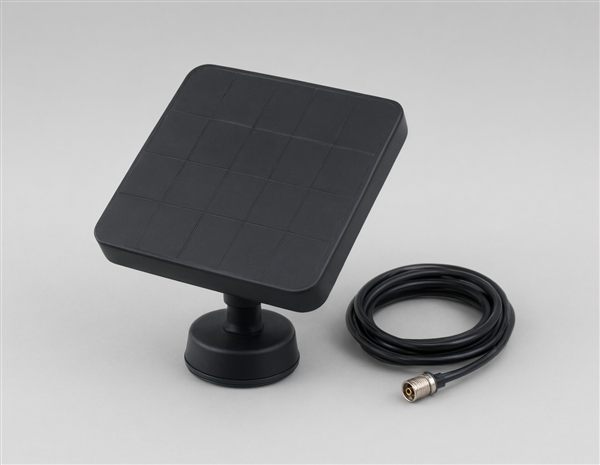
Chaowei Passive Magnetic-Base TV Antenna — Selected 50 B
| Type | Selected passive antenna |
|---|---|
| Mount | Magnetic base; verify placement |
| Cable | 16.5 ft listed |
| Best for | Compatible local broadcasts; no coverage promise |
Buy this if
- Selected passive antenna suits your actual setup
Skip if
- The exact version or required compatibility is unconfirmed
Pros
- Magnetic base; verify placement
Cons
- Compatible local broadcasts; no coverage promise
Complete the kit
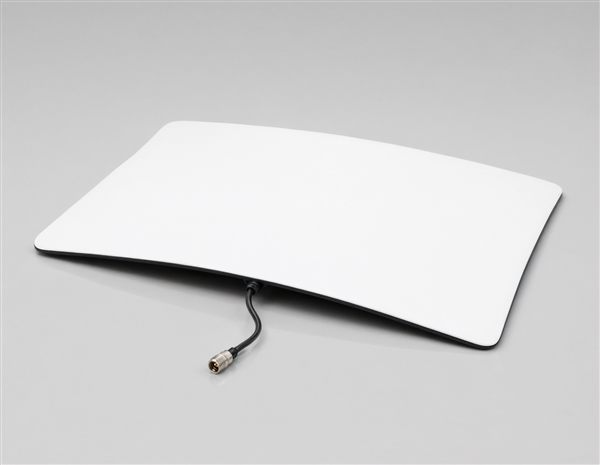
Winegard FL5500 A FlatWave Amped Indoor Antenna
| Type | Amplified indoor flat antenna |
|---|---|
| Bands | High-VHF + UHF |
| Cable | 18.5 ft attached |
| Heritage | FL5500 A model; tuner required |
Buy this if
- Amplified indoor flat antenna suits your actual setup
Skip if
- The exact version or required compatibility is unconfirmed
Pros
- High-VHF + UHF
Cons
- FL5500 A model; tuner required
Complete the kit
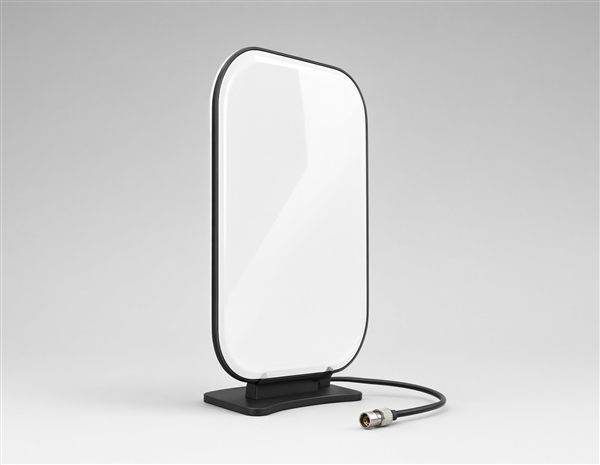
Philips Indoor Switch TV Antenna (SDV2226 N/27)
| Type | Indoor antenna; verify supplied setup |
|---|---|
| Finish | Reversible black/white |
| Cable | 10 ft listed |
| Best for | Stand/upright or flat placement |
Buy this if
- Indoor antenna; verify supplied setup suits your actual setup
Skip if
- The exact version or required compatibility is unconfirmed
Pros
- Reversible black/white
Cons
- Stand/upright or flat placement
Complete the kit
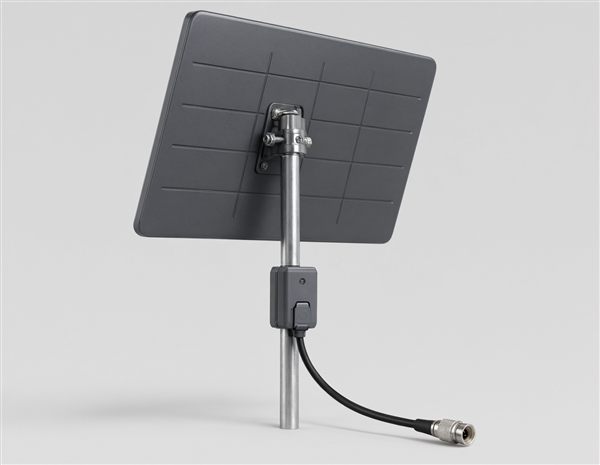
1 byone Amplified Directional Outdoor TV Antenna
| Type | Amplified directional outdoor |
|---|---|
| Mount | J-pole listed; manual controls installation |
| Cable | Exact included length unverified |
| Best for | Approved outdoor mounting; coverage varies |
Buy this if
- Amplified directional outdoor suits your actual setup
Skip if
- The exact version or required compatibility is unconfirmed
Pros
- J-pole listed; manual controls installation
Cons
- Approved outdoor mounting; coverage varies
Complete the kit
Manufacturer cross-check, 22 October 2026: Winegard FL5500 A
Full Comparison Table
| Product | Type | Best For | Buy |
|---|---|---|---|
| Chaowei Passive Magnetic-Base TV Antenna — Selected 50 B | Selected passive antenna | Compatible local broadcasts; no coverage promise | Amazon → |
| Winegard FL5500 A FlatWave Amped Indoor Antenna | Amplified indoor flat antenna | FL5500 A model; tuner required | Amazon → |
| Philips Indoor Switch TV Antenna (SDV2226 N/27) | Indoor antenna; verify supplied setup | Stand/upright or flat placement | Amazon → |
| 1 byone Amplified Directional Outdoor TV Antenna | Amplified directional outdoor | Approved outdoor mounting; coverage varies | Amazon → |
Common mistakes
- Trusting “250-mile range” claims — marketing range numbers assume flat-earth lab conditions; real camping reception is capped by distance, terrain, and tree cover. Check the FCC map for your campground instead of the box copy.
- Never rescanning after moving camp — TVs store the previous location’s channel list; a perfect antenna shows zero channels until the TV rescans at the new campground.
- Mounting an antenna on a metal interior wall — RV exteriors and steel framing block signal; a window, plexiglass, or exterior mount is the difference between ten channels and none.
- If overload is suspected, use the manufacturer-supported bypass or an appropriate passive antenna. Do not assume an unpowered active antenna operates as a passive antenna.
- Aiming directionals at the sky — flat panels and outdoor yagis receive from their face; point that face at the broadcast towers (the FCC map gives the bearing) before blaming the hardware.
Frequently Asked Questions
Do TV antennas work at campgrounds?
RV roof antenna or portable indoor antenna?
How many channels will I get at a campground?
Do I need an amplified antenna for camping?
Why does my antenna show zero channels at a new camp?
Related Guides


