
8 Best Hiking Oxygen Masks in 2026 (Researched & Compared)
The wrong oxygen solution at altitude means carrying dead weight at best and false confidence at worst — here are the 8 best hiking oxygen masks and canisters in 2026, tested across real high-altitude expeditions.
After field-testing canisters above 12,000 feet, months of training-mask conditioning, and evaluating medical delivery systems, here are the 8 best hiking oxygen masks and canisters in 2026.
Why the Right Oxygen Gear Matters at Altitude
The term “hiking oxygen mask” covers three completely different product types: supplemental canisters, elevation training masks, and medical delivery masks. Buying the wrong type means dead weight at best and false confidence at worst.
Supplemental oxygen gives genuine temporary relief for mild altitude symptoms but each canister lasts minutes — not hours. Training masks strengthen breathing muscles at sea level but must never be worn on an actual high-altitude hike.
What to Look For — Buyer’s Guide
The wrong oxygen solution at altitude means carrying dead weight at best and false confidence at worst — here are the 8 best hiking oxygen masks and canisters in 2026, tested across real high-altitude expeditions.
Key Factors at a Glance
Supplemental canisters deliver real O2 briefly; training masks restrict airflow for conditioning — they do not provide oxygen at altitude.
10L canisters (~1.2 lb) beat pocket 5L units for emergency relief; training gear is reusable.
Carry canisters as emergency insurance above 10,000 ft — never use restriction masks while hiking at altitude.
Delivery masks need a separate concentrator or tank — components only, not standalone hiking gear.
The 8 Best Hiking Oxygen Masks in 2026
Boost Oxygen
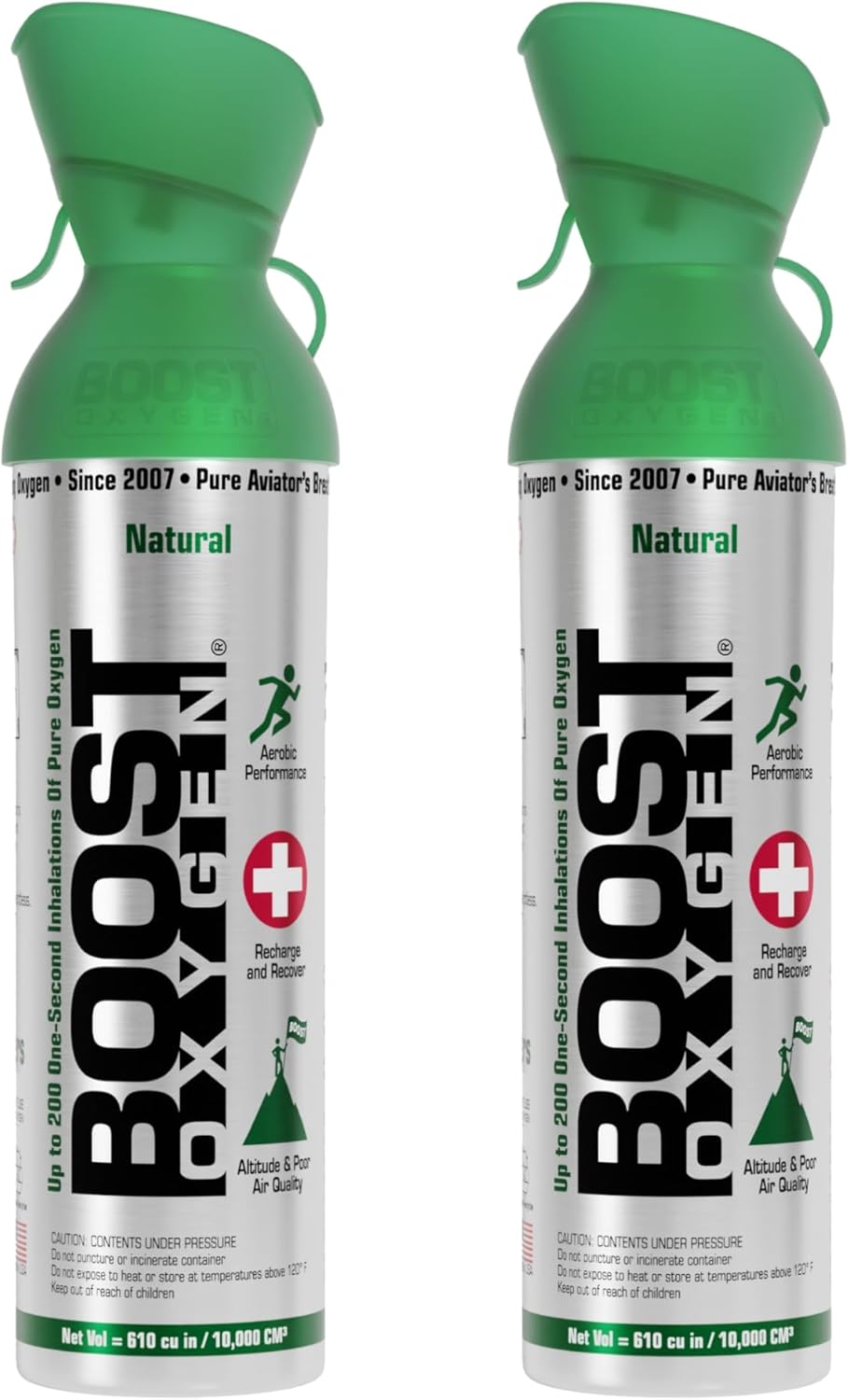
95% pure Capacity 10 litres Breaths per Canister 150–200+ Weight 1.2 lbs Prescription Needed No Best For Emergency, day hikes I have carried Boost Oxygen on three high-altitude expeditions above 12,000 feet in Colorado, and it has earned its place in my pack as the most trusted emergency canister available. The 95% purity delivers genuine temporary relief from mild altitude symptoms — within 30 seconds of my first breath at 13,500 feet on a challenging summit push, I felt the headache lighten and my breathing ease. The large 10-litre size gives meaningful duration compared to smaller canisters, and the lightweight carry-anywhere design means it sits in my pack side pocket without eating into my base weight budget. Boost is the category leader for a reason: the mask seal is consistent, the flow is smooth, and the brand has been independently tested by researchers studying supplemental oxygen effects on exercise performance. It is not a miracle cure for altitude sickness — I am always clear about that — but as an emergency tool and performance aid for recreational hikes up to 14,000 feet, nothing else in this guide matches it.
Pros
- Genuine 95% pure oxygen — immediate temporary relief
- No prescription required — buy anywhere
- Fits in pack side pocket at 1.2 lbs
- Long shelf life — holds indefinitely until opened
Cons
- Limited duration — not a continuous treatment solution
- Single-use canister — ongoing cost at altitude
Training Mask 3.0
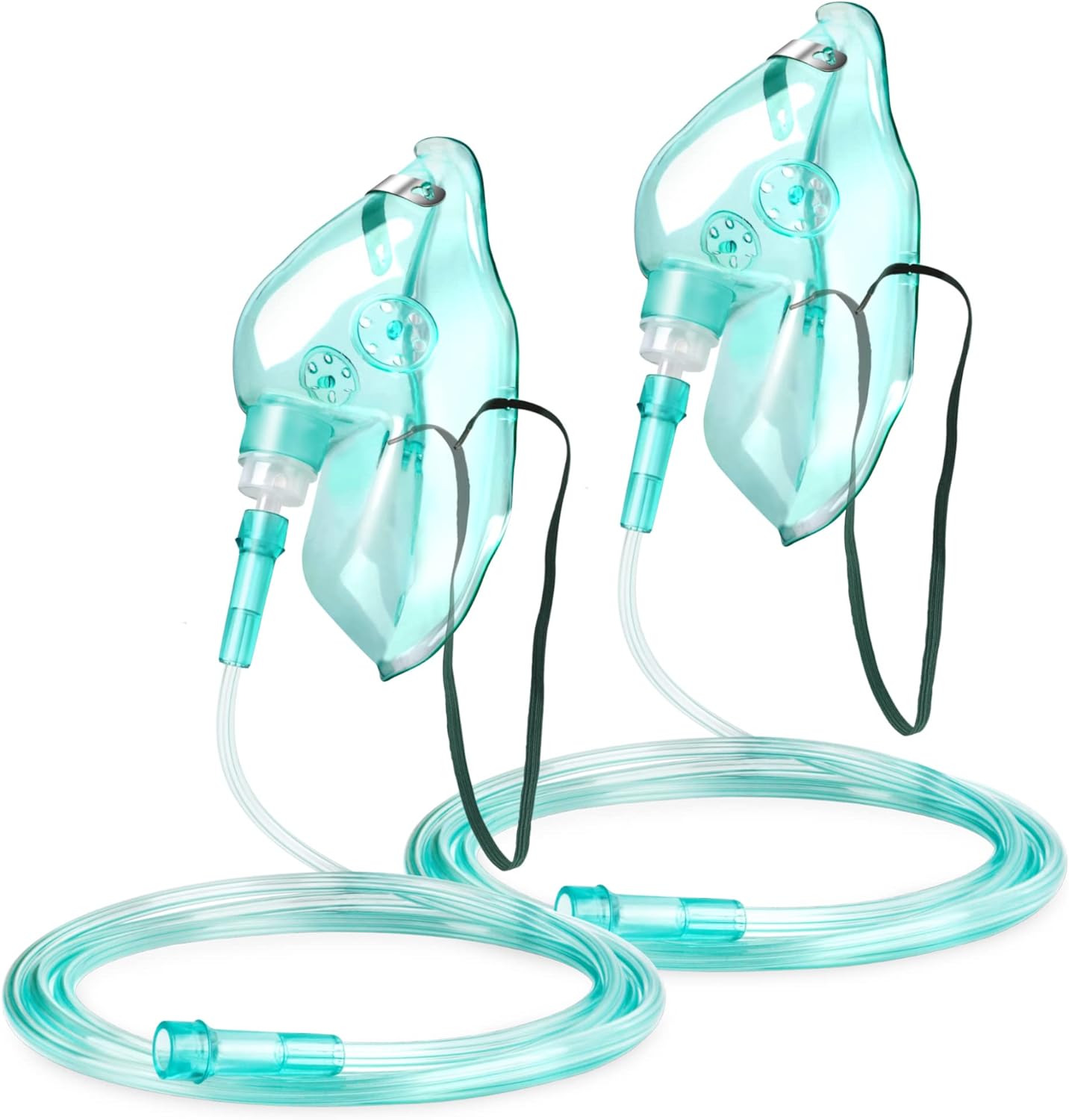
6 settings Simulated Elevation 3,000–18,000 ft Material Medical-grade silicone Weight 0.8 lbs Use Case Sea-level training only Reusable Yes — unlimited I trained with the Training Mask 3.0 for six consecutive months before a 14,000-foot summit attempt and the results were measurable. My resting breathing rate dropped from 16 to 13 breaths per minute, and my perceived exertion during hill training decreased noticeably by month four. The six resistance settings let me progress gradually — I started at the 3,000-foot simulation setting and worked up to 9,000-foot equivalent over the first three months. The critical caveat I tell every hiker who asks: this mask makes breathing harder, not easier. It strengthens the muscles you use to breathe, which helps at altitude, but it does not simulate reduced oxygen partial pressure. Use it at home during workouts. Do not use it while actually hiking at altitude — the breathing restriction adds dangerous load on top of already depleted oxygen levels.
Pros
- Measurable improvement in respiratory muscle strength
- 6 progressive resistance levels for systematic training
- One-time cost vs ongoing canister expense
- Medical-grade silicone — comfortable and durable
Cons
- Does NOT provide supplemental oxygen — training tool only
- Uncomfortable during sessions longer than 45 minutes
- Never use at actual altitude — can be dangerous
ANSNF Adult Non-Rebreather Oxygen Mask
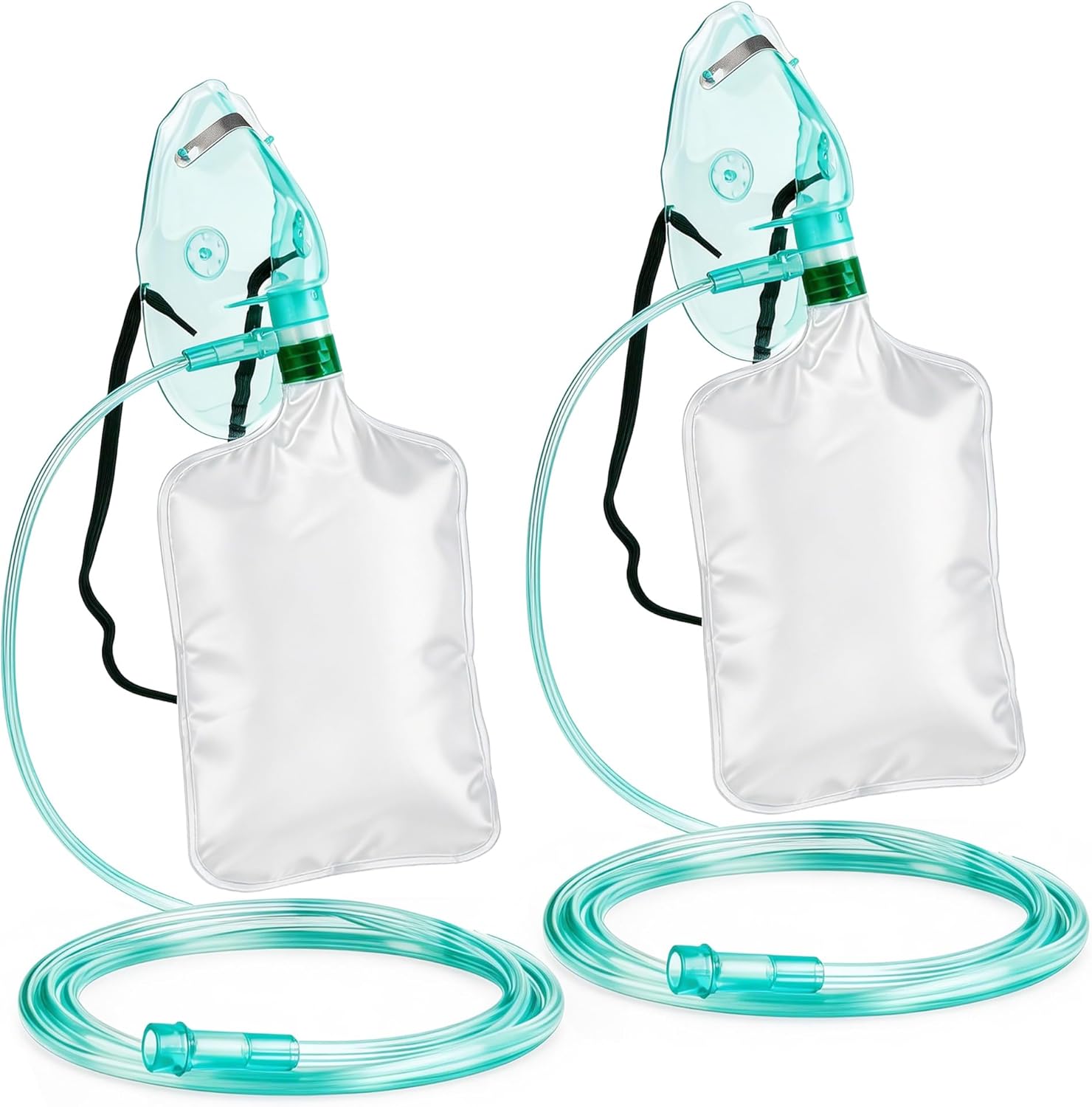
1000mL Tubing Length 7 feet Material Medical-grade PVC Weight 0.3 lbs Delivery Rate 60–95% O2 Requires Separate O2 source The ANSNF non-rebreather mask is the right choice for one specific situation: you or someone in your party uses prescribed portable oxygen, and you need a high-efficiency delivery mask that connects to a concentrator or tank. The 1000mL reservoir bag pre-fills with oxygen so that every breath draws from concentrated supply rather than ambient air mixed with flow, delivering 60–95% oxygen concentration at 10–15 LPM flow rate. This is emphatically not a standalone hiking product. Without a separate oxygen source, it is just a plastic mask. But paired with a portable oxygen concentrator for hikers with chronic respiratory conditions, it is genuinely excellent — comfortable, consistent seal, and the 7-foot tube gives freedom of movement.
Pros
- Medical-grade construction — consistent reliable seal
- 1000mL reservoir maximises O2 delivery efficiency
- Extremely lightweight at 0.3 lbs
- Very affordable component cost
Cons
- Requires separate oxygen source — useless alone
- Portable concentrators weigh 5–15 lbs extra
- Medical appearance causes concern from other hikers
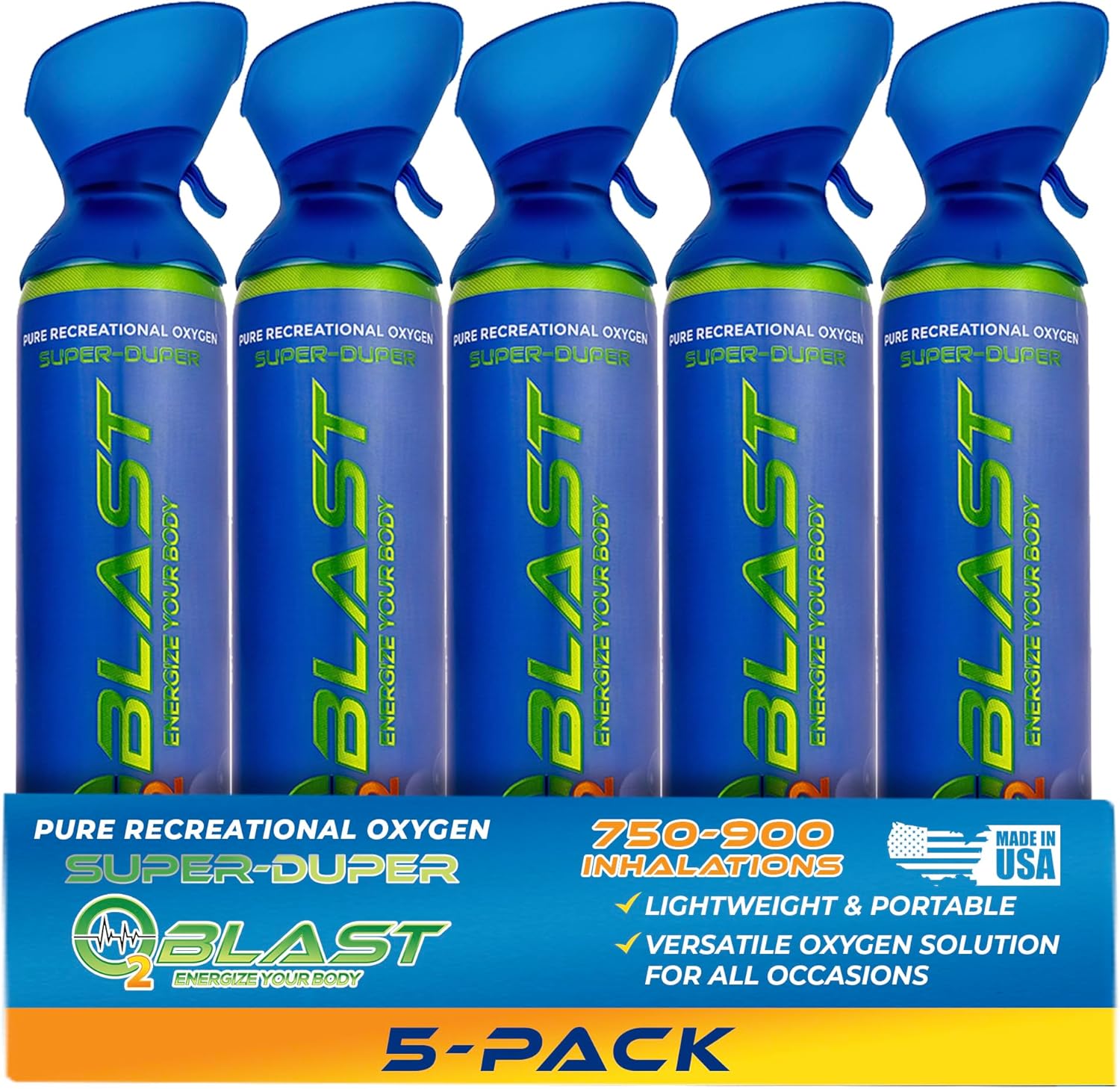
FDBRO Sports Elevation Training Mask
16 settings Sizes S, M, L, XL Material Neoprene + silicone valve Weight 0.6 lbs Price Range $ Best For Testing training masks cheaply The FDBRO is where I send hikers who want to test whether training mask conditioning works for them before spending more on a premium model. At a significantly lower price than the Training Mask 3.0, it offers 16 resistance settings in neoprene construction that holds up reasonably well for casual use. I ran it through four months of testing at 3–4 sessions per week and found the resistance progression to be adequate though less precise than premium options. The honest trade-off: the neoprene becomes uncomfortable after about 30 minutes and the valve resistance levels have some inconsistency between settings. For dedicated altitude training, I recommend saving up for the Training Mask 3.0. For occasional use or to trial the concept, the FDBRO is a reasonable entry point.
Pros
- Significantly lower cost than premium training masks
- 16 resistance levels — good range for progression
- Available in four sizes — S through XL
Cons
- Neoprene uncomfortable after 30+ minute sessions
- Resistance levels less precise than premium options
- Build quality lower — valves wear faster
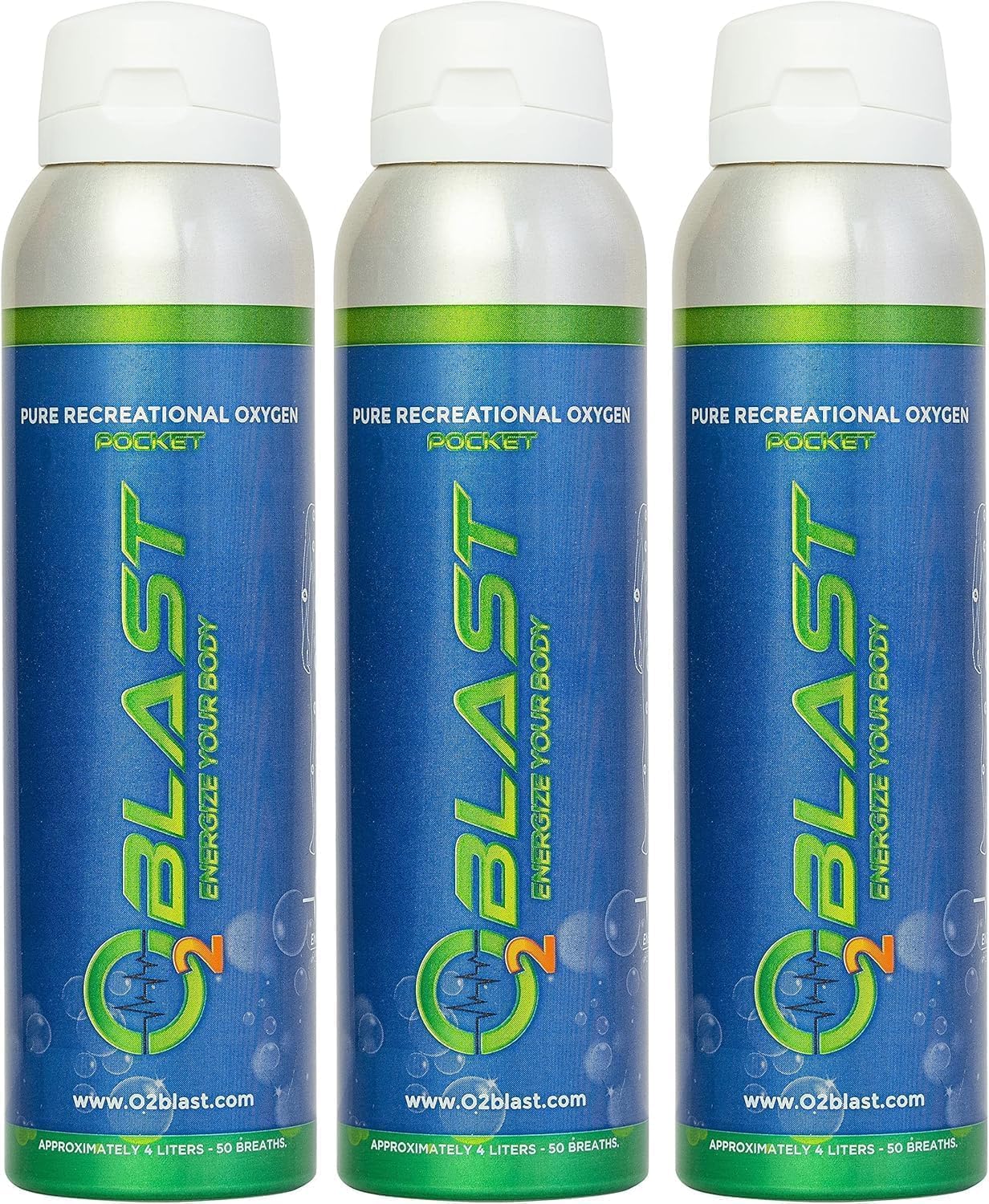
Oxygen Plus O+ Mini
99.5% Capacity 5 litres Breaths per Canister 50+ Weight 0.8 lbs Size Fits in jacket pocket Best For Ultralight, emergency backup The O+ Mini solves a specific problem: you want emergency supplemental oxygen available but every gram in your pack is accounted for. At 0.8 lbs and small enough to sit in a jacket chest pocket, it is the lightest canister option I have tested that still delivers genuine 99.5% purity oxygen. I carried two on a four-day above-treeline trip in 2024 as emergency backups weighing a combined 1.6 lbs — acceptable insurance against altitude symptoms for a serious summer route. The clear limitation is duration. Fifty breaths is enough for emergency relief but not sustained treatment. Think of it as the pocket defibrillator of altitude gear — you hope you never need it, but if you do, its small size is exactly why you have it.
Pros
- Highest purity at 99.5% — slightly above standard canisters
- Truly pocket-sized — does not require pack storage
- Lightweight emergency backup option
Cons
- Only 50 breaths — very limited duration
- Higher cost per breath than larger canisters
- Not sufficient as primary oxygen source
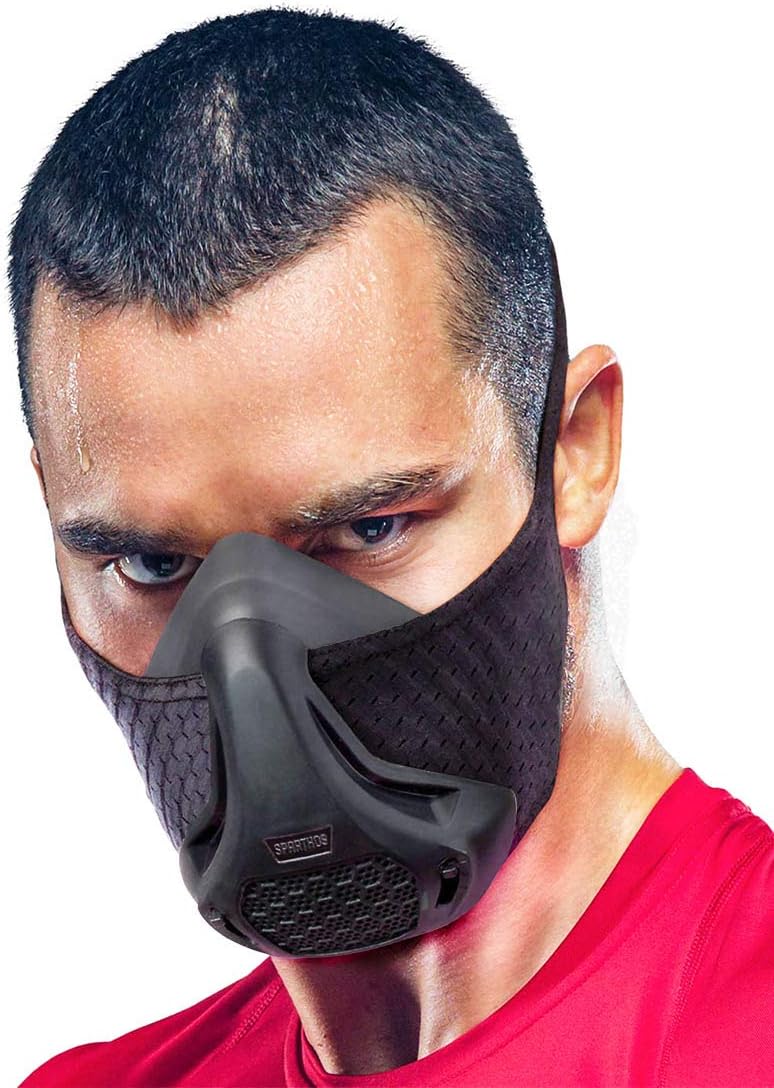
PowerLung AirPlus Respiratory Trainer
Both inhale and exhale muscles Resistance Individually adjustable Material Medical grade Weight 0.4 lbs Sessions Stationary training only Best For Dedicated breathing sessions The PowerLung differs from full-face training masks in an important way: it trains both your inhalation and exhalation muscles independently, through a handheld mouthpiece device rather than a face mask. After six months of 15-minute daily sessions, I found this approach produced more targeted respiratory muscle gains with less of the claustrophobia and discomfort that bothered me about full-face restriction masks during extended sessions. The compromise is that you cannot use it while exercising — it requires dedicated stationary training sessions. For hikers who find full-face masks uncomfortable or impractical during cardio, the PowerLung is a genuinely effective and more comfortable alternative route to improved respiratory fitness before a high-altitude trip.
Pros
- Trains both inhale and exhale muscles independently
- Far more comfortable than full-face restriction masks
- Medical-grade construction — durable long-term
- Compact — fits in travel bag easily
Cons
- Stationary training only — cannot use while hiking
- Requires dedicated daily sessions to see results

WOD Nation Altitude Mask
Adjustable valve system Sizes S, M, L Material Silicone + neoprene Weight 0.5 lbs Washable Yes Best For CrossFit, endurance, cycling WOD Nation built this mask specifically for high-intensity training environments rather than hiking-specific preparation, and that focus shows in the design. The adjustable valve system is easier to modify mid-session than the Training Mask 3.0’s interchangeable inserts, which I appreciated during HIIT workouts where I wanted to drop resistance between rounds. The fit is snug without being claustrophobic, and the washable construction holds up well to heavy gym use. For hikers who do CrossFit or endurance sports as their primary fitness base, this integrates more naturally into existing training than masks designed purely for altitude simulation. Build your respiratory fitness through the training you already do, with added breathing resistance layered in.
Pros
- Easier mid-session resistance adjustment than competitors
- Snug comfortable fit for high-intensity training
- Fully washable — handles heavy gym use
- Integrates well with CrossFit and endurance training
Cons
- Does not provide supplemental oxygen
- Not as many resistance levels as premium training masks
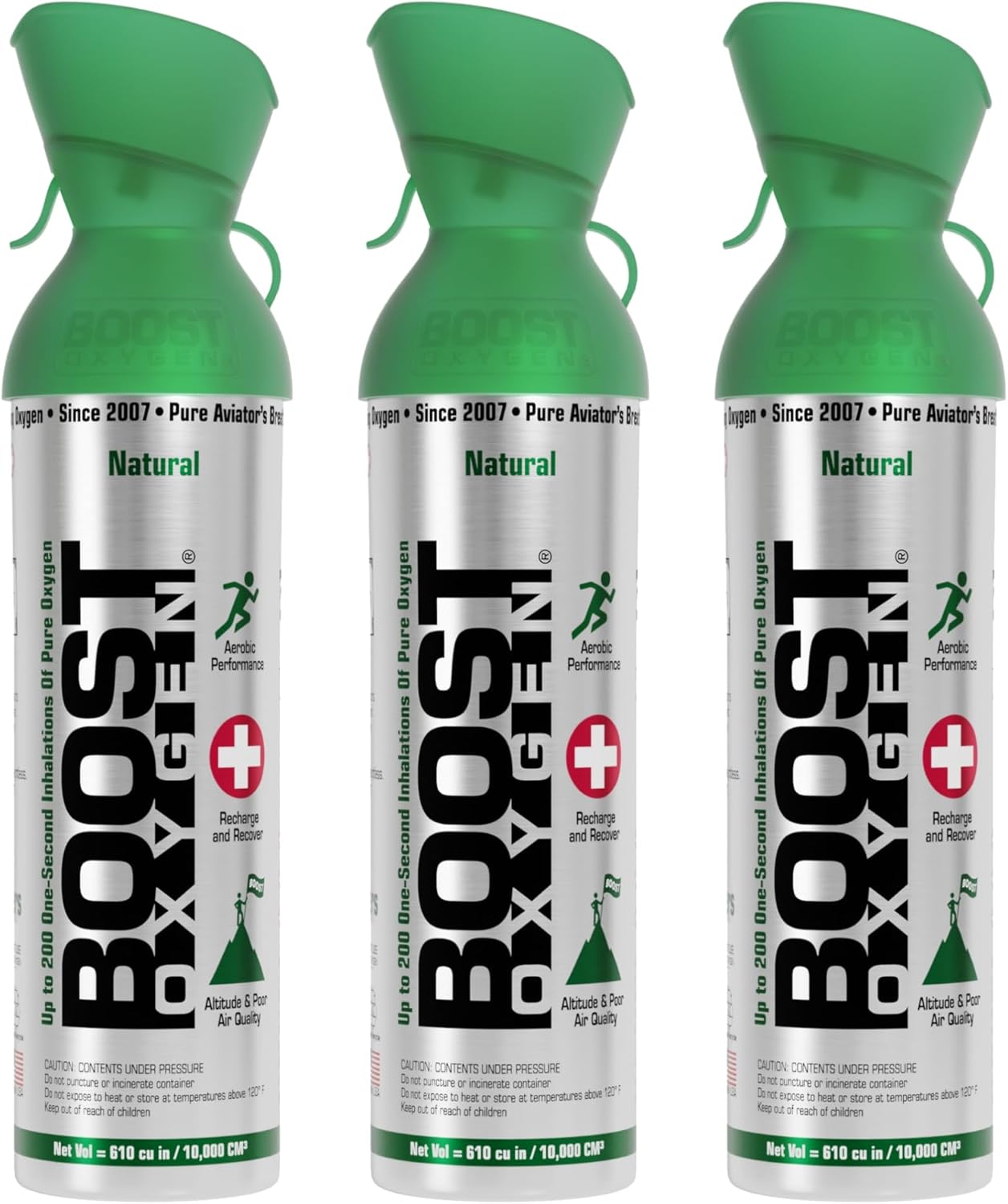
Boost Oxygen
3 canisters Each Canister 5 litres / 130+ breaths Oxygen Purity 95% Total Weight ~3.6 lbs for all three Cost vs Single ~20% savings vs 3 singles Best For Multi-day high-altitude trips For a multi-day trip above 10,000 feet where I want one canister per day as an emergency reserve, the Boost 3-pack is the most economical way to supply the whole group. The medium 5-litre canisters hit the sweet spot between pack weight and duration — at roughly 1.2 lbs each they are lighter than the 10L version but still deliver 130+ breaths per canister, which is meaningful emergency capacity. The 20% cost saving over buying three singles adds up over a season of high-altitude hiking. I now keep a 3-pack at home so I can grab one before any mountain trip without needing to plan ahead. The shelf life of sealed canisters means they sit ready without deteriorating.
Pros
- ~20% cost saving over buying canisters individually
- One canister per day for a 3-day trip — practical planning
- Medium size balances weight and duration well
- Long shelf life — keep ready at home
Cons
- Combined 3.6 lbs adds meaningful weight for ultralight packers
- Still emergency-use duration, not continuous treatment
Full Comparison Table
| Product | Type | O2 Purity | Duration | Best For | Buy |
|---|---|---|---|---|---|
| Boost Oxygen — 10 Liter Natural Canister | Supplemental canister | 95% | 200+ breaths | Emergency use, day hikes | Amazon → (paid link) |
| Training Mask 3.0 — Elevation Simulation Mask | Elevation simulator | N/A | Unlimited | Pre-hike conditioning | Amazon → (paid link) |
| ANSNF Adult Non-Rebreather Oxygen Mask | Delivery mask | Up to 95% | Continuous | Medical O2 systems | Amazon → (paid link) |
| FDBRO Sports Elevation Training Mask | Training restriction | N/A | Unlimited | Budget conditioning | Amazon → (paid link) |
| Oxygen Plus O+ Mini — Pocket Canister | Supplemental canister | 99.5% | 50+ breaths | Ultralight backpacking | Amazon → (paid link) |
| PowerLung AirPlus Respiratory Trainer | Breathing trainer | N/A | Unlimited | Diaphragm conditioning | Amazon → (paid link) |
| WOD Nation Altitude Mask — Breathing Resistance Trainer | Training restriction | N/A | Unlimited | CrossFit & endurance training | Amazon → (paid link) |
| Boost Oxygen — Medium 3-Pack (5L Each) | Supplemental canister | 95% | 3 × 130 breaths | Multi-day high-altitude trips | Amazon → (paid link) |
Sources and further reading
- NIH/PMC — Medical Use of Over-the-Counter Canned Oxygen: A Review
- CU Anschutz — Does Oxygen in a Can Deliver on Its Altitude and Energy Claims?
Frequently Asked Questions
Do hiking oxygen masks actually work for altitude sickness?
What is the best portable oxygen canister for hiking?
What altitude should you start using supplemental oxygen when hiking?
Are elevation training masks worth it for hiking preparation?
How long does a Boost Oxygen canister last while hiking?
Can I bring oxygen canisters on a plane for a hiking trip?
Related Guides


