
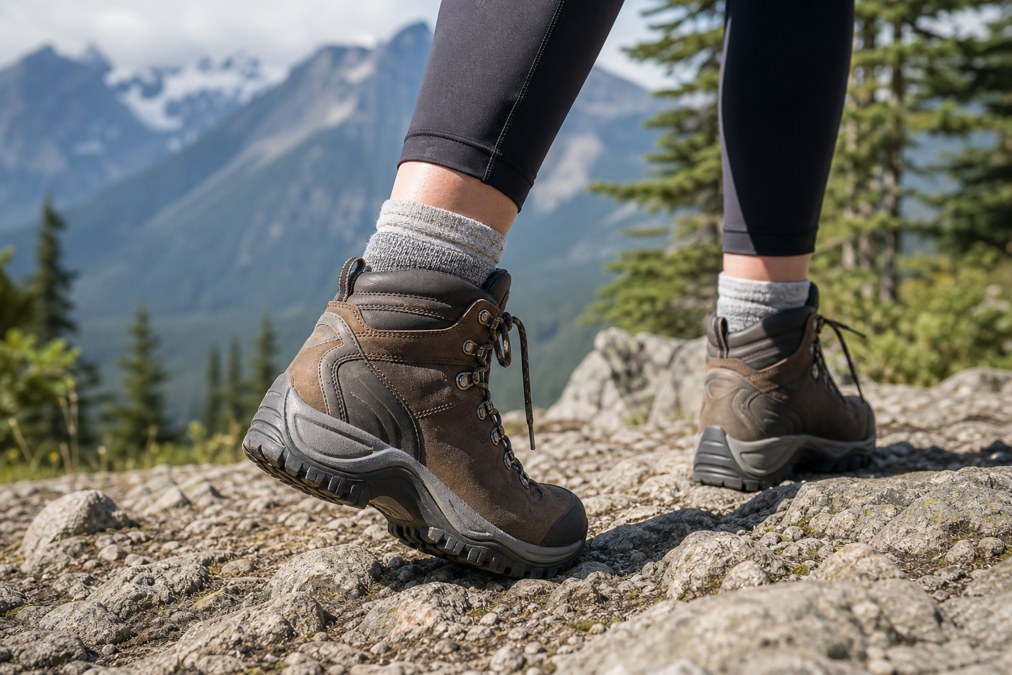
Best Hiking Boots for Plantar Fasciitis (Wide Feet) in 2026 (Tested & Reviewed)
Quick answer: Brooks Cascadia 17 Wide and Hoka Anacapa Mid GTX lead for plantar fasciitis on trails — heel cushioning and arch support matter more than width alone when every descent triggers fascia pain.
Below are 3 wide-friendly PF picks — cushioned guidance first, then a wide mid boot, then toe room plus a supportive insole.
Plantar fasciitis heel pain gets worse on hard descents and rocky terrain. If you also need wide forefoot room, these picks combine support with 2E-width options. For general wide-fit boots without heel pain, start with our Best Hiking Boots for Wide Feet pillar guide.
Part of our Wide Feet Hiking Boots cluster · Hiking Gear Hub
Start here — PF + width
Scoring rubric (weights)
Rubric — not Amazon stars.
How we ranked these
Load management for plantar fasciitis first (cushion/guidance), then whether wide fit still works without creating new hot spots.
Which PF shoe?
First steps hurt
Cushion + guidance shoe.
Need a mid
Wide waterproof structure.
PF + forefoot crush
Altra volume + supportive insole.
No heel pain
Use the pillar instead.
Cascadia Wide vs Keen Wide for PF
Brooks Cascadia Wide
- Best PF cushion/guidance
- Runner weight
- Less ankle
Keen Targhee Wide
- Wide waterproof mid
- More structure
- Less soft cushion
PF notes
- Footwear helps load — it is not a cure.
- Replace dead insoles.
- Shorten mileage during flares.
- See a clinician if pain lasts.
Product photos are on each card below — self-hosted on OutdoorsPapa (no duplicate URLs in this strip).
Decision rules
- Choose Cascadia Wide for most PF trail days.
- Choose Keen Wide for wide mid boots.
- Choose Altra + insole for volume + support stack.
- Stay on the pillar if you only need width.
Plantar Fasciitis and Wide Hiking Fit
Support and cushion manage load; width prevents secondary hot spots. If you only need width, use the wide-feet pillar.
What to Look For — Buyer’s Guide
Match each category to your trip length and climate — one proven pick per slot beats buying overlapping gear twice.
Key Factors at a Glance
Guidance + foam before max stiffness.
Wide options avoid compensatory squeeze.
OTC first; remove stock liners.
Do not hike through sharp flares.
The 3 Best Hiking Boots for Plantar Fasciitis (Wide Feet) in 2026
(not Amazon stars)
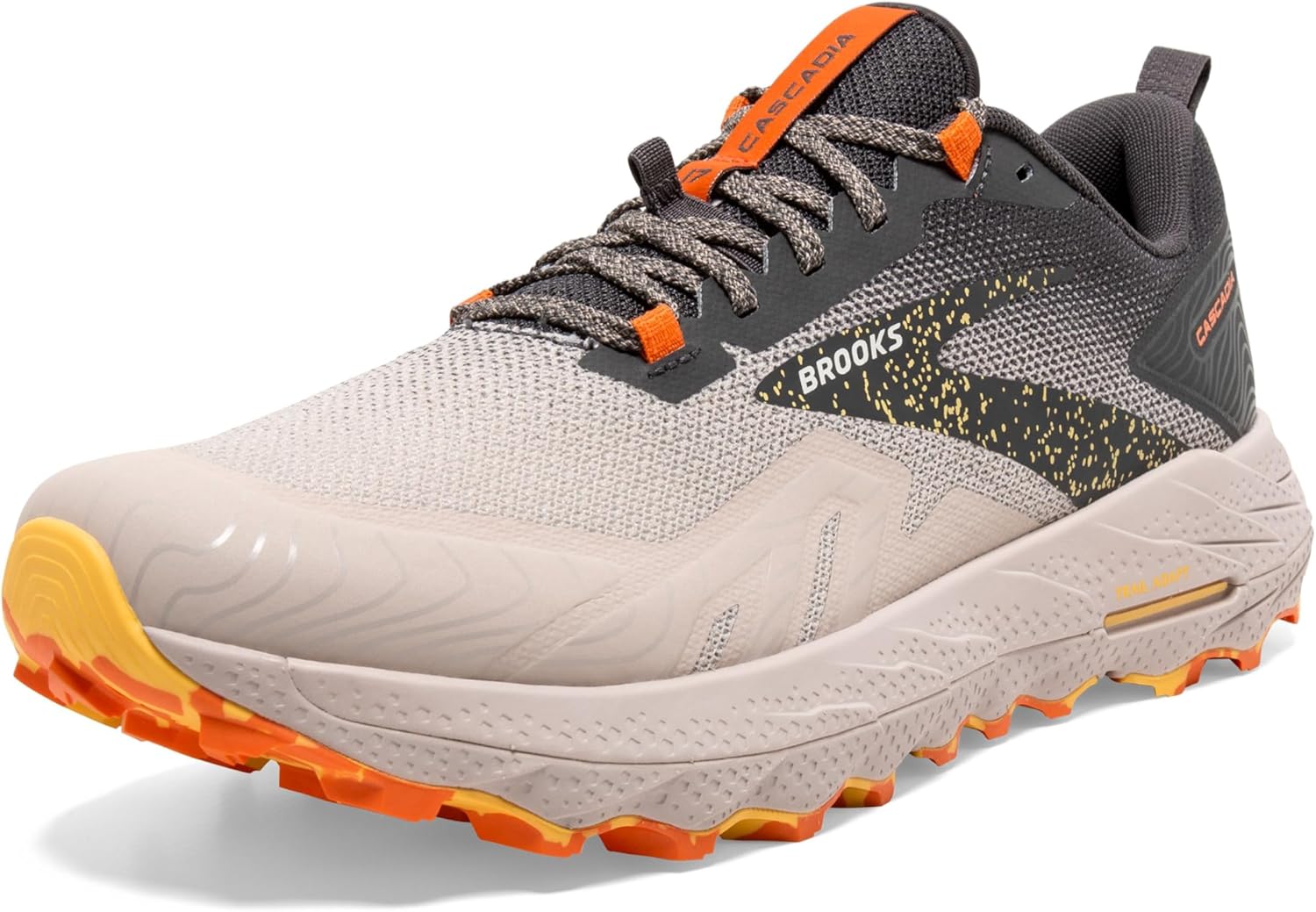
Brooks Cascadia 17 (Wide)
| Support | GuideRails |
|---|---|
| Cushion | DNA LOFT v2 |
| Width | Wide options |
| Best for | PF + trail |
Buy this if
- Heel/arch pain on trail
- Want cushion + guidance
- Wide Cascadia fit
Skip if
- Need stiff mid backpacking boot
- Need max FootShape only
Brooks GuideRails reduce excess foot motion that aggravates plantar fascia strain on uneven trails. DNA LOFT v2 cushioning softens heel strikes on rocky descents — the primary pain trigger for plantar fasciitis hikers. The wide (2E) option fits broad forefeet without sacrificing heel lockdown.
Pros
- GuideRails support
- DNA LOFT cushion
- Wide options
- Rocker-friendly ride
Cons
- Less ankle than mid boots
- Not a stiff backpacking boot
Complete the kit
(not Amazon stars)
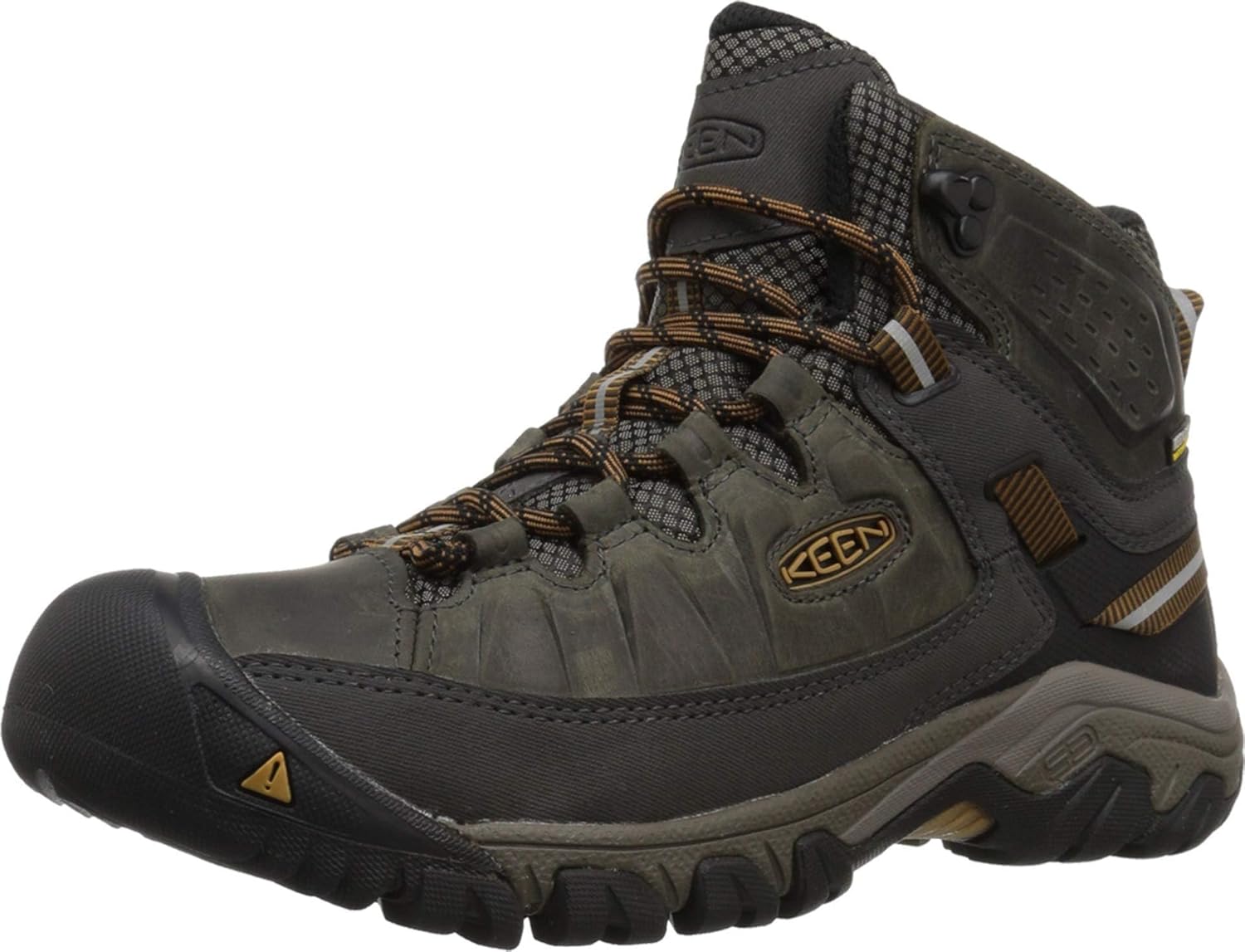
Keen Targhee III Mid Wide
| Width | 2E |
|---|---|
| Support | ESS shank |
| Cut | Mid |
| Best for | PF + wide boot |
Buy this if
- Wide + waterproof mid
- Rocky wet trails
- Want more structure
Skip if
- Want max soft cushion runner
- Need 4E
When plantar fasciitis pain meets wide feet, you need heel stability and forefoot room in the same package. The Targhee III Wide's ESS shank limits foot flex on rocky terrain while the dual-density footbed absorbs heel impact. Add a Superfeet Green insole if you need more arch support than the factory footbed provides.
Pros
- 2E last
- ESS shank
- Cushioned footbed
- Waterproof mid
Cons
- Heavier
- Break-in
Complete the kit
(not Amazon stars)
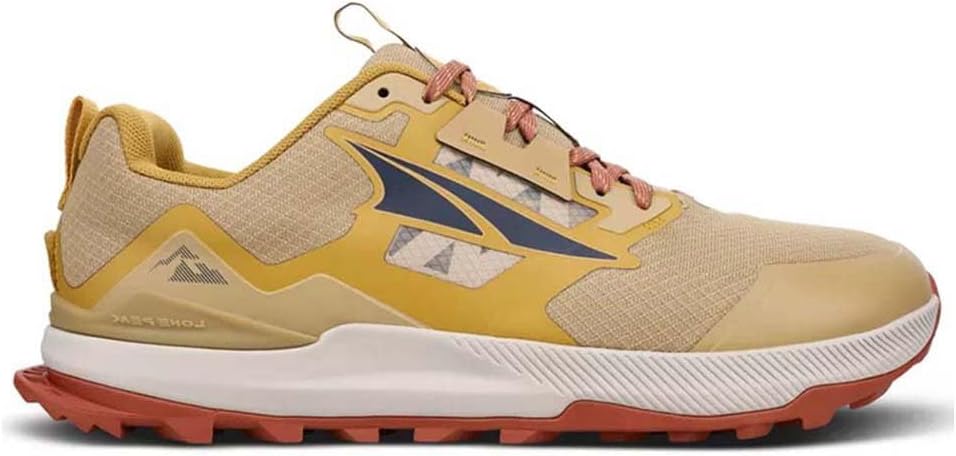
Altra Lone Peak 7 + Superfeet Green
| Toe box | FootShape |
|---|---|
| Insole tip | Add Superfeet Green |
| Drop | Zero |
| Best for | PF + volume |
Buy this if
- Need toe room + aftermarket insole
- Dry trails
- Already like Altra
Skip if
- Need built-in arch guidance
- Hate zero drop
Altra's wide toe box handles forefoot spread; Superfeet Green adds the firm arch support plantar fasciitis often needs. Remove the factory insole before inserting Superfeet to maintain fit volume. The zero-drop geometry encourages a midfoot landing that reduces heel-strike pain on long descents — after calves adapt to the lower drop.
Pros
- Wide toe box
- Room for Superfeet
- Light
- Natural splay
Cons
- Zero drop needs calf patience
- Stock insole is flat
Complete the kit
Full Comparison Table
| Product | Support Feature | Width | Buy |
|---|---|---|---|
| Brooks Cascadia 17 (Wide) | Heel + arch support | Wide (2E) | → (paid link) |
| Keen Targhee III Mid Wide | Stable platform | Wide (2E) | → (paid link) |
| Altra Lone Peak 7 + Superfeet Green | Custom arch insert | Wide toe | → (paid link) |
Common mistakes
- Pushing mileage through sharp pain — Rest beats hero miles.
- Keeping dead factory insoles — Support collapses.
- Ignoring calf tightness — PF load rises.
- Buying narrow cushion shoes — Width still matters.
Frequently Asked Questions
Can I hike with plantar fasciitis?
Do I need custom orthotics for hiking?
Wide boots vs cushioned trail shoes for heel pain?
Should I hike through plantar fasciitis pain?
Related Guides


