

How to Dress for Cold Weather Mountain Biking in 2026 (Researched & Compared)
Plan adjustable layers and protection for actual wind, wetness, effort and return options. Gear does not guarantee warmth or control; stop or shorten the ride when conditions exceed your plan.
These four clothing routes illustrate different layers and glove designs, not a complete system or temperature-rated kit.
Start here — pick your layer
Comparison criteria
Qualitative comparison; supporting evaluation records for numeric ratings were not established.
How we ranked these
Compare documented construction, fit and control compatibility. No measured thermal or winter-riding performance test is established here.
Which layer for your ride?
Lobster up
Split-finger mitt warmth with shift-and-brake control.
Stop the windchill
A windproof shell over the base layer is the system’s keystone.
Sweat management
Merino blends do not guarantee adequate insulation when wet, permanent odor control or safe exposure. Manage moisture and carry appropriate dry reserve clothing.
Five fingers
Check actual split-finger design and brake/shifter control.
Winter MTB Layering Rules — The System
- Start slightly cold: the trailhead rule: ten minutes of pedaling warms you dramatically, so the outfit that feels perfect standing still is a sauna by the first climb. Dress for minute ten, not minute zero.
- The three-layer system: a moisture-moving base (merino or synthetic), a thermal mid layer you can strip, and a windproof shell. The shell matters most below 30°F — windchill at 15 mph does the damage the thermometer only hints at.
- Extremities fail first: hands, feet, and head lose heat fastest and end rides — gloves are the category’s keystone purchase, not an afterthought. Lobster gloves bridge the gap between mitt warmth and finger control.
- Manage exertion, moisture and dry reserve clothing. Merino is not guaranteed warm when wet, and fibre alone does not establish a safe winter clothing system.
- There is no universal safe riding-temperature cutoff or clothing formula. Wind, wetness, exertion, exposure time, individual tolerance and ability to return to shelter matter. Shorten or cancel the ride if the plan cannot keep you warm and in control.
Trail notes that matter
- Unzip the shell before you overheat — venting on the climb beats freezing on the descent.
- Carry a stripped layer in a pocket: the mid layer you removed at the bottom is the one you beg for at the top.
- A compatible liner may add insulation, but does not double warmth by a proven amount. Check glove fit with the actual controls; do not ride if bulk or cold impairs braking or shifting.
- Neoprene overshoes or wool socks with room to wiggle — cramped winter footwear is cold footwear.
The four picks below cover the system’s critical pieces.
Winter riding kit — decision rules
- Choose the Pearl Izumi AmFIB Lobster for sub-freezing rides where hands end the fun.
- Choose the Gore C5 Windstopper for the shell that kills the windchill.
- Choose the Smartwool Intraknit for the merino base that manages sweat all winter.
- Choose the Giro Proof for shoulder-season rides needing full dexterity.
What to Look For — Buyer’s Guide
Build the system — base, shell, gloves — and buy warmth by layer position, not by single-piece heroics.
Key Factors at a Glance
Merino insulates when damp and fights odor across a season; engineered knits add vent zones over sweat-mapped areas. Cotton in any position is the season-ending mistake.
Full windproof membranes block the chill but trap effort-heat; thermal softshells balance both. Match the shell to your climbing intensity, not the calendar.
Glove shape is not a temperature rating. Check brake/shifter control with the actual fitted glove and planned conditions; no hours-of-extra-warmth result is established.
Pit zips and chest vents sound like jacket marketing until the first long climb — the ability to dump heat without stopping is a winter ride’s quiet luxury.
The 4 Pieces That Make Winter Singletrack Rideable
Pearl Izumi AmFIB Lobster Gel Gloves
| Design | Selected XS lobster glove; check controls |
|---|---|
| Shell | AmFIB family wind protection |
| Palm | AX Suede Laredo synthetic leather |
| Cuff | Verify actual closure and fit |
Buy this if
- The actual fit and documented use suit your plan
Skip if
- The actual size, version or operating requirements do not fit
Pros
- AmFIB family wind protection
Cons
- Verify actual closure and fit
Complete the kit
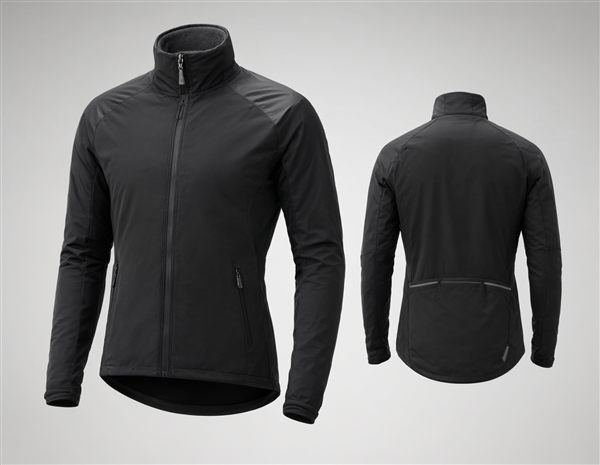
GORE WEAR C5 GORE-TEX INFINIUM Trail Jacket
| Membrane | Confirm actual C5 INFINIUM version |
|---|---|
| Insulation | Exact thermal lining unverified |
| Fit | Actual garment fit/layers matter |
| Pockets | Rear-pocket layout unverified |
Buy this if
- The actual fit and documented use suit your plan
Skip if
- The actual size, version or operating requirements do not fit
Pros
- Exact thermal lining unverified
Cons
- Rear-pocket layout unverified
Complete the kit
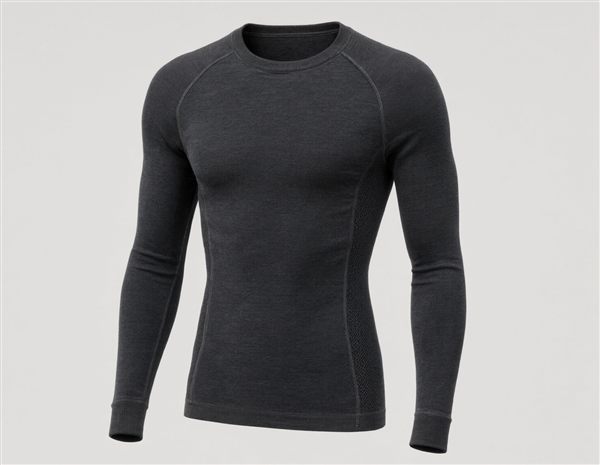
Smartwool Intraknit Thermal Merino Base Layer
| Material | Linked 53%merino/44%polyester/3%elastane |
|---|---|
| Knit | Zoned knit; generation-specific blend |
| Seams | No flatlock/no-chafe guarantee |
| Care | Actual label; no multi-ride odor trial |
Buy this if
- The actual fit and documented use suit your plan
Skip if
- The actual size, version or operating requirements do not fit
Pros
- Zoned knit; generation-specific blend
Cons
- Actual label; no multi-ride odor trial
Complete the kit
Giro Proof 2020 Split-Finger Winter Gloves
| Design | 2020 split-finger; selected XL |
|---|---|
| Palm | Listed AX Suede |
| Details | Listed OutDry membrane; actual care |
| Best for | Control/exposure check; no fixed °F band |
Buy this if
- The actual fit and documented use suit your plan
Skip if
- The actual size, version or operating requirements do not fit
Pros
- Listed AX Suede
Cons
- Control/exposure check; no fixed °F band
Complete the kit
Manufacturer cross-check, 22 October 2026: AmFIB generation
Full Comparison Table
| Product | Layer | Best For | Buy |
|---|---|---|---|
| Pearl Izumi AmFIB Lobster Gel Gloves | Selected XS lobster glove; check controls | Verify actual closure and fit | Amazon → |
| GORE WEAR C5 GORE-TEX INFINIUM Trail Jacket | Confirm actual C5 INFINIUM version | Rear-pocket layout unverified | Amazon → |
| Smartwool Intraknit Thermal Merino Base Layer | Linked 53%merino/44%polyester/3%elastane | Actual label; no multi-ride odor trial | Amazon → |
| Giro Proof 2020 Split-Finger Winter Gloves | 2020 split-finger; selected XL | Control/exposure check; no fixed °F band | Amazon → |
Common mistakes
- Adjust layers to conditions, effort and individual response without deliberately starting unprotected or relying on fixed minutes before overheating.
- Cotton anywhere in the system — cotton holds sweat, loses insulation when damp, and chills like a refrigerant on the downhill. Merino or synthetic base layers are the category’s non-negotiable.
- Skipping the shell on windy days — windchill at riding speed strips heat faster than the thermometer suggests; below 30°F or on exposed ridgelines, the windproof shell is the layer that decides whether the ride continues.
- A compatible liner may add insulation, but does not double warmth by a proven amount. Check glove fit with the actual controls; do not ride if bulk or cold impairs braking or shifting.
- No glove style has a universal freezing-temperature threshold. Check warmth and brake/shift control before committing to the route, and carry suitable backup protection.
Frequently Asked Questions
How cold is too cold for mountain biking?
Should I size up winter cycling gloves?
What’s the best base layer for winter riding?
Do I need a windproof jacket or just layers?
Lobster gloves or regular winter gloves?
Related Guides


