

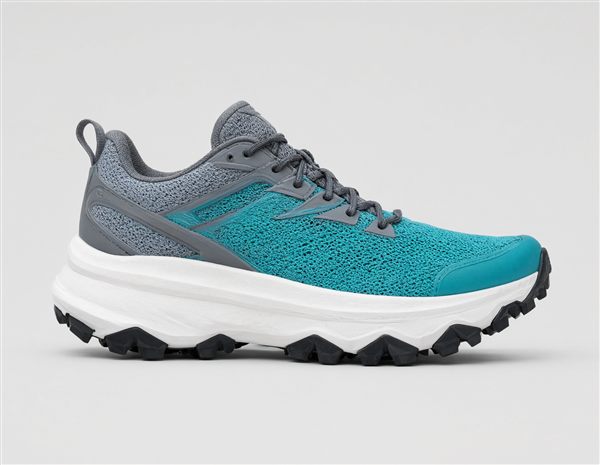
Best Shoes for Ultramarathons in 2026 (Researched & Compared)
Quick answer: ultramarathons vary from road events to technical trails, so no single shoe category or cushion level fits every course. Compare these five model routes by actual terrain, individual fit and training experience; the HOKA route remains a search requiring exact-result verification.
These five options illustrate different constructions and geometries. No injury-prevention, wet-rock grip, late-race comfort or lifespan advantage is established by this comparison.
Start here — pick your shoe
Comparison criteria
Qualitative selection criteria; no supported numeric overall score or controlled performance ranking is assigned.
How we ranked these
We compare documented model construction, intended use and fit considerations. No comparative mileage, late-race fatigue, traction or cost-per-mile trial is established.
Which shoe for your race?
The all-rounder
Assess the exact model on the actual course demands during progressive training; no any-course result is established.
Check documented underfoot construction
The Cascadia construction needs exact-model verification; a protective layer does not guarantee freedom from bruising or injury.
Maximum cushion
Cushioning is a design feature, not a guarantee of fresh feet at a particular hour.
Agile value
Compare actual weight, fit, terrain and current offer; no universal price or grip advantage is established.
Room to swell
Check forefoot room and heel retention for your actual feet; toe-box shape does not guarantee suitability for a selected width.
Cushion & Terrain Notes for Ultras
- Choose cushioning by the individual runner, terrain and progressive training experience. No universal 28–35 mm stack range establishes readiness or replaces the foot’s natural function.
- Choose footwear for the actual event surface, conditions and fit. Road and trail labels alone do not establish traction; inspect the whole route and avoid relying on lugs as a safety guarantee.
- Assess documented underfoot construction and individual comfort on the intended terrain. A rock plate does not guarantee bruising prevention, and its presence is not mandatory for every rocky route.
- Fit the actual shoe with intended socks and expected use. Do not automatically add half a size; assess heel retention and forefoot room during training and seek fitting advice where needed.
- Inspect condition, traction, fit and changes in comfort according to maker guidance and actual use. No universal 300–500-mile retirement threshold is established, and an untested new shoe is not a race-readiness shortcut.
Race-day notes that matter
- No outsole guarantees grip on wet rock, roots or loose surfaces. Assess the actual model and conditions cautiously and retain a safe pace and route decision.
- Check the actual event’s drop-bag and aid-station rules before planning a shoe change. If a spare pair is permitted and useful, use a familiar suitable setup; do not assume a halfway bag or an untried replacement will be available.
- Changes in shoe geometry need individual assessment and progressive training. No fixed number of weeks guarantees adaptation; seek qualified advice for persistent pain or injury.
- If using gaiters, check exact shoe compatibility, fit and attachment instructions during training. They may limit some debris entry, but do not guarantee a debris-free shoe or comfort over a given distance.
These conditional options do not cover every ultra surface, runner or budget.
Ultra shoe — decision rules
- Consider the exact Speedgoat result only after confirming the model, size and fit for the course and your training; no best-all-round result is established.
- Consider Cascadia when its exact documented construction and individual fit suit the terrain. A rock plate is not a universal requirement or injury guarantee.
- Consider the actual Olympus geometry and cushioning only after progressive training confirms suitable fit and use.
- Compare the selected Peregrine with current offers and actual course requirements; no universal value winner is established.
- Consider Lone Peak when its actual geometry, selected width and fit suit your feet and training.
What to Look For — Buyer’s Guide
Compare the actual course, fit, cushioning, traction and condition together. Carry over the socks and other equipment used in training; no single feature makes the rest of the setup unimportant.
Key Factors at a Glance
Stack height and drop are design parameters, not guarantees of fatigue reduction or safe adaptation. Assess the exact geometry through progressive training.
Compare the actual outsole and conditions. Compound softness and lug depth do not by themselves guarantee wet-rock grip.
Check toe room, selected width and heel retention with the intended socks and training. An anatomical toe-box label does not guarantee prevention of black toenails or other injury.
Compare current cost without inventing a service-life estimate. Actual wear varies, and no 300-versus-500-mile lifespan trial is documented.
The 5 Shoes Built for the Back Half
HOKA Speedgoat 6 — Verify Search Result
| Outsole | MakerSpeedgoat 6:Megagrip/TractionLug; verify search result |
|---|---|
| Midsole | Model cushioning; assess individual fit |
| Best for | Actual terrain and training suitability |
| Range | No guaranteed race distance |
Buy this if
- The actual selected version and documented requirements suit your planned use.
Skip if
- You need a size, function or performance assurance not established for this selection.
Pros
- Outsole: MakerSpeedgoat 6:Megagrip/TractionLug; verify search result
- Midsole: Model cushioning; assess individual fit
Cons
- These features do not establish your race-distance suitability, guaranteed wet-rock grip or a measured injury/fatigue benefit.
- Actual fit, adaptation and terrain suitability require individual evaluation.
Complete the kit
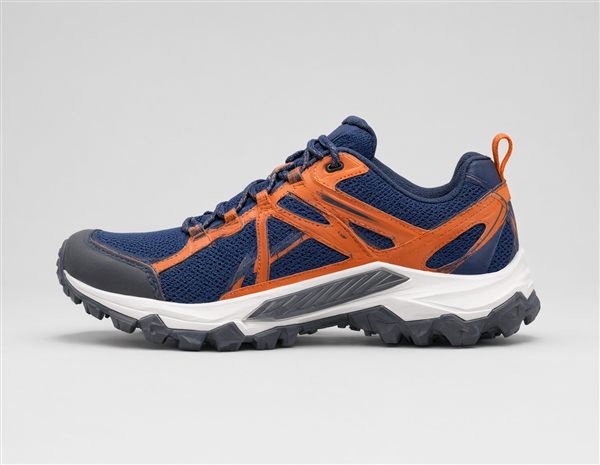
Brooks Cascadia 18
| Protection | TrailAdapt adaptable protective plate |
|---|---|
| Ride | No correction of tired landings established |
| Best for | Individual terrain/fit assessment |
| Reputation | Confirm actual size/width and training suitability |
Buy this if
- The actual selected version and documented requirements suit your planned use.
Skip if
- You need a size, function or performance assurance not established for this selection.
Pros
- Protection: TrailAdapt adaptable protective plate
- Ride: No correction of tired landings established
Cons
- Check actual size/width and training comfort; no comparative lifespan or claim that it corrects tired landings is established.
- Actual fit, adaptation and terrain suitability require individual evaluation.
Complete the kit
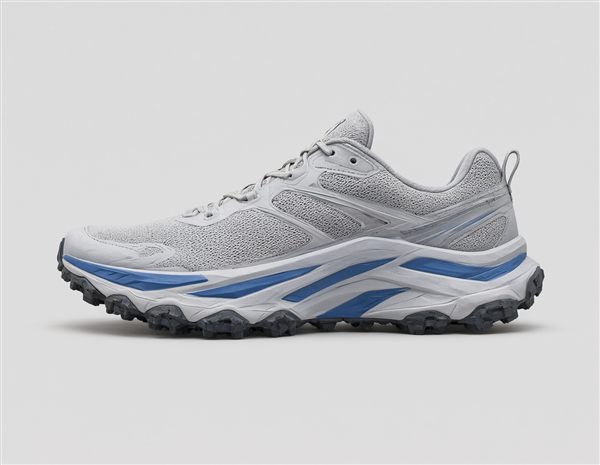
Altra Olympus 6
| Geometry | Maker 0 mm drop/33 mm stack |
|---|---|
| Toe box | OriginalFootShape; selected width still matters |
| Cushion | Men’s compression-molded EVA |
| Best for | Individual fit and training requirements |
Buy this if
- The actual selected version and documented requirements suit your planned use.
Skip if
- You need a size, function or performance assurance not established for this selection.
Pros
- Geometry: Maker 0 mm drop/33 mm stack
- Toe box: OriginalFootShape; selected width still matters
Cons
- Check actual width and heel security, and assess a geometry change through appropriate training rather than treating zero drop as therapy.
- Actual fit, adaptation and terrain suitability require individual evaluation.
Complete the kit
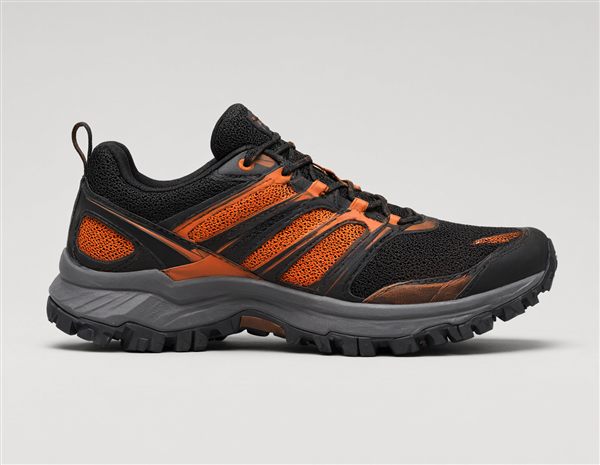
Saucony Peregrine 15
| Ride | MakerPWRRUN; no comparative-weight claim |
|---|---|
| Grip | MakerPWRTRAC+forefoot rock guard |
| Best for | Actual terrain/fit requirements |
| Price | No fixed relative price established |
Buy this if
- The actual selected version and documented requirements suit your planned use.
Skip if
- You need a size, function or performance assurance not established for this selection.
Pros
- Ride: MakerPWRRUN; no comparative-weight claim
- Grip: MakerPWRTRAC+forefoot rock guard
Cons
- Select actual size, width and version, then assess cushioning and terrain fit during training; no automatic replacement mileage or race result is established.
- Actual fit, adaptation and terrain suitability require individual evaluation.
Complete the kit
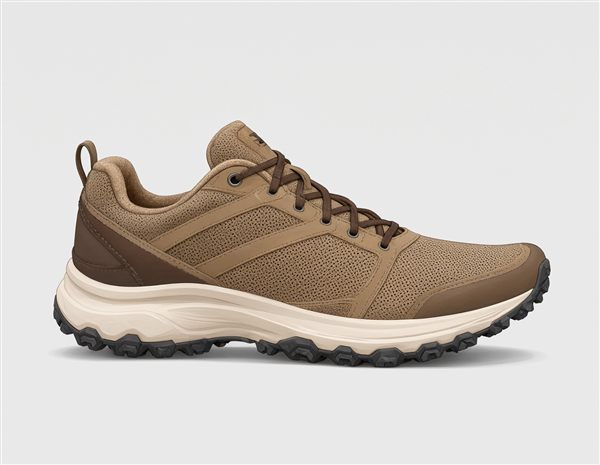
Altra Lone Peak 9
| Toe box | OriginalFootShape; verify actual selected width |
|---|---|
| Geometry | Maker 0 mm drop/25 mm stack |
| Stack | Standard 9:AltraEGO/MaxTrac, not 9+Vibram |
| Best for | Individual training/fit assessment |
Buy this if
- The actual selected version and documented requirements suit your planned use.
Skip if
- You need a size, function or performance assurance not established for this selection.
Pros
- Toe box: OriginalFootShape; verify actual selected width
- Geometry: Maker 0 mm drop/25 mm stack
Cons
- Fit the actual shoe with your socks and intended terrain.
- Actual fit, adaptation and terrain suitability require individual evaluation.
Complete the kit
Manufacturer cross-check, 21 October 2026: Men’s Speedgoat 6 · Men’s Cascadia 18 · Men’s Olympus 6 · Men’s LonePeak 9
Full Comparison Table
| Product | Profile | Best For | Buy |
|---|---|---|---|
| HOKA Speedgoat 6 — Verify Search Result | Search for exactSpeedgoat 6 | Technical-trail fit assessment | Amazon → |
| Brooks Cascadia 18 | TrailAdapt plate-equipped model | Assess actual size/width in training | Amazon → |
| Altra Olympus 6 | 33 mm/0 drop OriginalFootShape | High-stack fit and geometry assessment | Amazon → |
| Saucony Peregrine 15 | PWRRUN/PWRTRAC family | Forefoot rock guard; individual terrain fit | Amazon → |
| Altra Lone Peak 9 | 25 mm/0 drop; standardMaxTrac | Actual selected width still matters | Amazon → |
Common mistakes
- Choosing by road-or-trail label alone — match the actual model to event surfaces and conditions; neither lugs nor smooth tread establish guaranteed traction.
- Cushion needs vary by runner, terrain and preference. No universal stack-height threshold or distance-specific injury cutoff is established here; test the shoe progressively before committing to race conditions.
- Avoid an untested race-day setup. Build experience in the exact model and fit during training, checking comfort, traction and wear. No single pre-race mileage guarantees readiness.
- Changing geometry without individual preparation — build experience progressively and seek qualified advice for pain; a fixed weeks-long transition does not guarantee readiness.
- Fit the exact shoe for your feet, socks, terrain and expected swelling. A wider toe box or half-size increase does not guarantee freedom from black toenails or other injury. Check heel security and forefoot room during progressive training; seek fitting or clinical advice for persistent pain or injury.
Frequently Asked Questions
How much cushion do I need for an ultra?
Trail shoes or road shoes for ultramarathons?
Should I size up for an ultra?
When should I replace trail running shoes?
Do I need a rock plate?
Related Guides


