
Vegetarian Camping Meals That Actually Fill You Up
Foil packets, Dutch oven dinners and shelf-stable staples, with cold storage for perishable ingredients. Adapt each meal for vegetarian or vegan requirements.
On this page
- Embracing Plant-Based Camping Cuisine
- Vegetarian Camping Breakfasts
- Vegetarian Camping Lunches and Snacks
- Hearty Vegetarian Camping Dinners
- Savory Vegetarian Camping Recipes
- Plant-Based Camp Cooking Delights
- Meat-Free Camp Cooking Inspirations
- Campfire Vegetarian Classics
- Plant-Powered Adventure Fuel
- Sweet Vegetarian Camping Treats
- Portable Vegetarian Camp Fare
- Nutritious Camping Cuisines
- Meatless Campfire Cooking Highlights
- Camp Cookery Sans Meat
- Vegetarian Camping Menu Planning
- Camping Without Meat
- Conclusion
- Vegetarian camp cooking FAQ
Food safety: Keep perishable food at or below 40°F (4°C). Discard it after more than two hours without safe temperature control, or one hour above 90°F (32°C). Use a cooler thermometer; smell and airtight packaging cannot prove safety. Halloumi and egg sandwiches are vegetarian, not vegan; check dairy, egg and marshmallow ingredients before calling a dish vegan.
car campers and backpackers planning meat-free menus, plus anyone cooking for a mixed group who wants dishes everyone will eat.
cooking for a crowd? sort out the stove first in our camping gear guide.
Start with the five recipes that give quantities and steps below: pancakes, five-can chili, chickpea curry, sweet-potato fajitas and banana boats. The other dishes are menu variations to plan with your own recipe. Portions and cooking times are planning estimates; stove output, pan size and conditions vary, so practise unfamiliar meals at home and check doneness rather than relying on a timer.
Key Takeaways
- Choose recipes your actual stove, cookware and water supply can support.
- Keep perishables at 40°F (4°C) or below, including prepared vegetarian meals.
- Vegan versions require checking cheese, egg, milk, stock, chocolate and marshmallow labels.
- Measure and pack dry ingredients at home; keep pre-cut produce cold.
- Allow separate drinking, cooking, handwashing and cleanup water, plus suitable fuel.
Embracing Plant-Based Camping Cuisine
Build meals around beans, grains, vegetables and a fat or sauce you enjoy. Carry canned food for drive-in trips, or compare the carried weight and preparation needs of commercial dried meals for backpacking.
Benefits of Vegetarian Camping Meals
Shared ingredients simplify packing. Beans used for chili can also fill wraps; tortillas can serve at breakfast and dinner. Account for allergies and portions for each person.
Affordable Ingredients
Compare your actual grocery list and package sizes. Dried staples may cost less per portion, but long cooking times use water and fuel. Canned beans trade extra carried weight for less preparation.
Minimal Refrigeration Needs
Use unopened foods labelled shelf-stable when you cannot maintain cooling. Opening a can or preparing a meal changes its storage needs. Dairy, eggs, hummus, cut produce and cooked rice or pasta need appropriate temperature control.
Lighter and Healthier Options
Meal weight and nutritional needs depend on the ingredients, portions and trip. Add food you can comfortably eat and prepare; a vegetarian label alone does not establish a lighter load or adequate energy.
Vegetarian Camping Breakfasts
The pancake recipe uses a small skillet. Halloumi sandwiches and French toast are additional breakfast ideas requiring their own ingredient and storage plan.
Banana Bread Pancakes
Serves 2 · skillet and spatula · approximately 15–20 minutes. Use the skillet size and loaded weight allowed by your stove. This is a simple banana-pancake version rather than a baked loaf.
Ingredients: 1 cup just-add-water pancake mix; the potable water quantity specified on that mix for 1 cup; 1 small ripe banana, mashed; 1–2 teaspoons oil for the pan; optional 2 tablespoons chopped walnuts and maple syrup. Check allergens. For vegan pancakes, choose a mix with no milk or egg ingredients.
- Measure the mix into a sealed bag at home. At camp, measure its required water, combine with the mashed banana and rest only as directed by the package. Add a little water if needed for a pourable batter.
- Warm a lightly oiled skillet over moderate heat outdoors. Make small pancakes with about 2 tablespoons of batter each.
- Cook until the edges set and the underside browns, then turn and cook the centre through. Allow roughly 2–3 minutes on the first side and 1–2 on the second, adjusting heat and time to the mix and pan.
- Serve promptly with the optional toppings. Do not eat uncooked flour batter; follow package cooking directions.
Water and storage: Carry the package water amount plus cleanup water. Keep any mixed batter that needs refrigeration cold and use it promptly; mixing powder at camp avoids transporting a bowl of batter.
Grilled Halloumi Breakfast Sandwiches
Menu variation — vegetarian, with dairy and optional egg. Pack halloumi and any eggs in a monitored cooler. Grill the cheese according to its package instructions; use a separate complete egg recipe if adding egg. For a vegan sandwich, use a suitable plant-based filling and egg-free spread. Check cheese rennet if required by your diet.
Banana Coconut French Toast
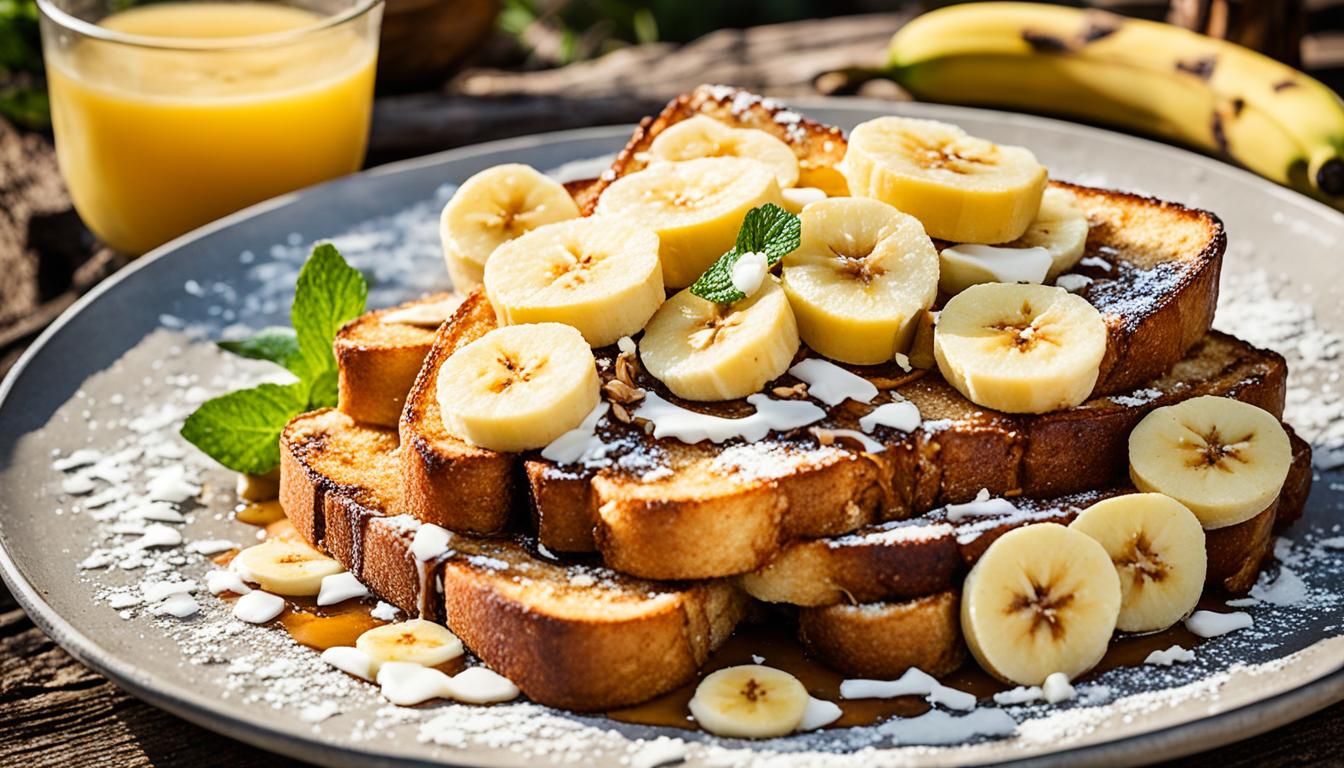
Menu variation. Choose a complete French-toast recipe for the batter you intend to use; coconut milk by itself does not make an egg-based recipe vegan. Check the bread and all batter ingredients. Opened coconut milk and prepared batter need the storage conditions on their labels.
Vegetarian Camping Lunches and Snacks
Keep lunch easy to assemble. Shelf-stable spreads, crackers, whole fruit and nuts provide a backup when cooking is impractical. Prepared wraps and opened fillings may need cooling.
Campfire Nachos
Menu variation. A covered skillet can warm tortilla chips, canned beans, salsa and cheese over controlled low heat. Use dairy cheese for a vegetarian version or suitable plant-based cheese for vegan diners. Open refrigerated toppings just before serving, and keep the skillet within the stove’s size and load limits.
Trail Mix Bliss Balls
No-cook snack idea. Mix a nut or seed butter with oats and chopped dried fruit using a complete recipe suited to those ingredients. These are snack balls, not skewers. Check nut allergies and storage instructions; homemade balls have no shelf life established here.
Customizable Trail Mixes
Portion a mix of nuts or seeds, dried fruit and pretzels into bags. Check chocolate, cereal and coatings for dairy or other excluded ingredients. Use package nutrition information for the actual mix rather than a generic calorie table.
Hearty Vegetarian Camping Dinners
The five-can chili below is the simplest pantry dinner in this section. Peanut stew and pasta are alternatives when their cooking time, water and equipment suit your trip.
West African Sweet Potato Peanut Stew
Menu variation. Sweet potato, tomato and peanut butter can form a filling stew, but the diced potato needs enough simmering time and liquid to become tender. Follow a complete recipe, check peanut allergies and use vegetable stock. A dish containing peanuts is not suitable for every group.
One-Pot Protein Pasta
Menu variation. Use the pasta package’s water quantity and cooking time. Canned lentils can be added to a tomato sauce; dried lentils need their own preparation. Check pasta and sauce for egg, cheese or meat stock. Carry the full cooking-water requirement or use a recipe designed for absorption cooking.
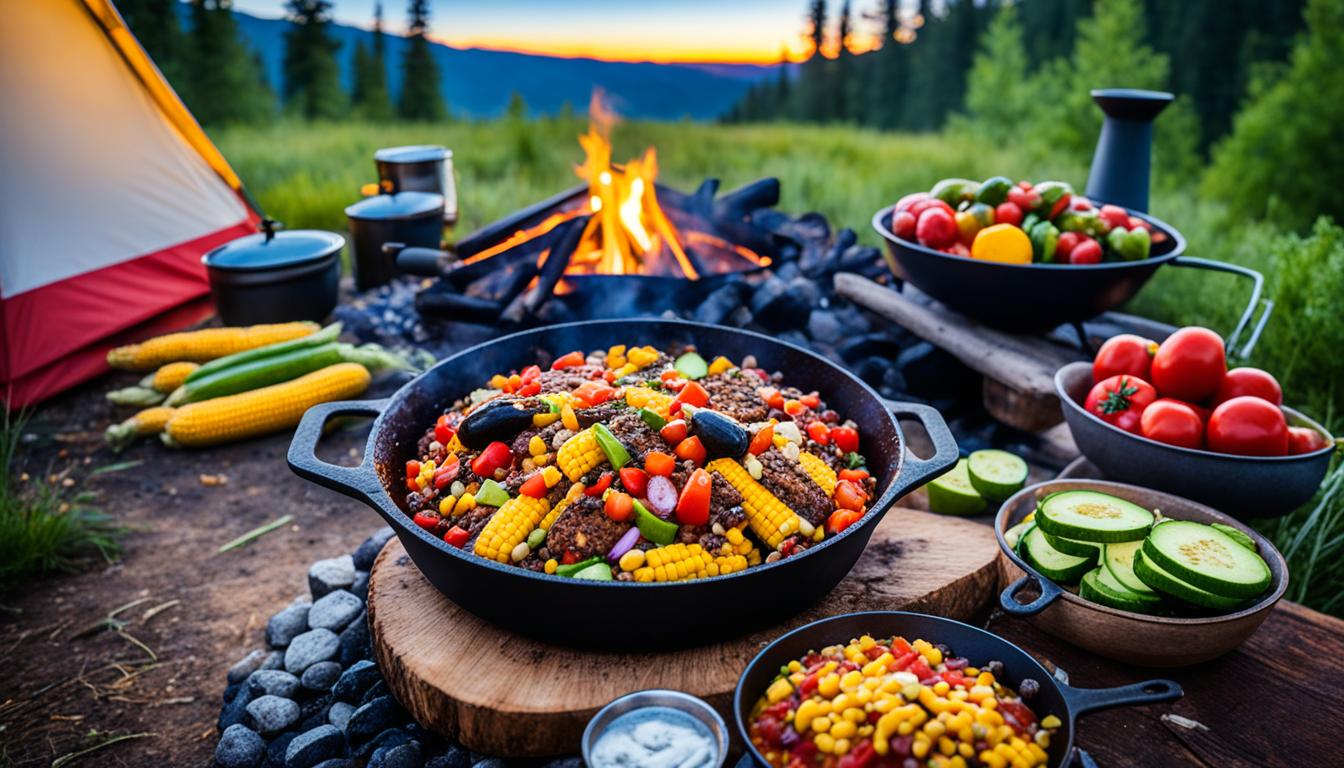
Five-Can Vegetarian Chili
Serves about 4 · compatible 3-litre pot with lid and spoon · approximately 20–25 minutes. Confirm that your stove supports this pot and its full loaded weight; this is a drive-in meal rather than a small-burner recommendation.
Ingredients: two 15-ounce cans of beans, drained and rinsed; one 14.5-ounce can diced tomatoes with juice; one 15-ounce can corn, drained; one 4-ounce can mild green chiles; 2 teaspoons chili powder; 1 teaspoon ground cumin; up to ¼ cup potable water if needed. Check the bean and seasoning labels for meat ingredients. Optional cheese makes the topping vegetarian rather than vegan.
- Open the five cans at camp. Drain and rinse the beans using potable water; collect the liquids for disposal according to campsite rules.
- Combine beans, tomatoes, corn, chiles and seasonings in the pot. Stir in a little water only if the mixture is too thick to heat without catching.
- Bring to a steady simmer, reduce the heat and cook for approximately 10–15 minutes, stirring frequently until hot throughout. Keep the pot stable and the handles clear.
- Divide into four bowls and adjust portions for your group. Serve with bread or tortillas if wanted.
Water and storage: Count rinse and cleanup water as well as any added to the pot. The unopened cans can follow their shelf-storage labels; opened ingredients and cooked chili are perishable. Cool leftovers promptly in shallow containers at 40°F or below, or cook only what you will eat if cooling is unavailable.
Savory Vegetarian Camping Recipes
These are ideas for a trip with suitable cookware. A Dutch oven requires a specific recipe, heat-control method and permitted site; it is extra equipment to carry and clean.
Cast Iron Skillet Cornbread
Menu variation. Follow the chosen cornbread mix’s ingredient amounts, pan size and baking directions. Milk, eggs and butter require appropriate storage. Do not assume a home-oven time works unchanged over coals.
Southwestern Sweet Potato Bean Burgers
Menu variation. Use a complete patty recipe with a specified binder and cooking method. Chill prepared patties during transport; being made from beans does not make them safe at ambient temperature. Check buns and sauces for your group’s dietary requirements.
Dutch Oven Lasagna
Menu variation — commonly contains dairy. Plan a compatible Dutch oven, enough fuel and a recipe that specifies noodle preparation and heat placement. Keep cheese and prepared sauce cold when required. Vegetarian cheese and plant-based alternatives need individual label checks.
Plant-Based Camp Cooking Delights
Adapt sauces and fillings to the ingredients you can store safely. Check that stock, ready-made sauces and seasoning pastes do not contain meat, fish or dairy if these are excluded.
Red Lentil Sloppy Joes
Menu variation. Use a complete red-lentil recipe and carry its specified cooking liquid. Canned lentils and dried lentils are not interchangeable without changing the method. Serve in checked vegetarian or vegan buns.
Dutch Oven Enchiladas
Menu variation. Fill tortillas with cooked beans and vegetables, then follow a complete oven recipe for the sauce, pan size and heating method. Check tortillas, sauce and cheese for the required diet; keep cooked fillings and refrigerated toppings cold.
Meat-Free Camp Cooking Inspirations
The chickpea curry below uses canned ingredients and no refrigerated dairy. The taco suggestion is a variation on the fully specified fajita recipe later in the guide.
Easy Chickpea Curry
Serves 2 · compatible 2-litre pot, lid and spoon · approximately 15–20 minutes. Use a controllable outdoor stove and a stable pot.
Ingredients: one 15-ounce can chickpeas, drained and rinsed; one 13.5-ounce can coconut milk; 1 cup canned diced tomatoes with juice; 2 teaspoons curry powder; 1 teaspoon oil; salt to taste; 4 small tortillas or bread to serve. Choose a curry powder or sauce with ingredients appropriate for vegetarian or vegan diners. This simplified pantry version is a camp meal suggestion, not a traditional regional recipe.
- Warm the oil over moderate heat and stir in the curry powder for about 20–30 seconds without burning it.
- Add the tomatoes, coconut milk and chickpeas. Stir, bring to a simmer and lower the heat.
- Simmer for approximately 10 minutes, stirring until everything is hot and the sauce reaches the thickness you prefer. Add a little potable water if it catches; leave the lid slightly ajar if it needs to reduce.
- Serve with the tortillas or bread. If using rice instead, carry the separate water, pot capacity and fuel required by its package.
Water and storage: Allow water for rinsing beans and washing up. Shelf-stable ingredients remain so only while unopened and stored as labelled. Refrigerate unused coconut milk, tomatoes and cooked curry promptly, or choose package quantities you can finish.
Sweet Potato Black Bean Tacos
Menu variation. Use the fajita quantities and skillet method below, then put the cooked filling in tacos. Avocado, dairy or plant-based sour cream are optional toppings; prepared toppings follow their own storage labels.
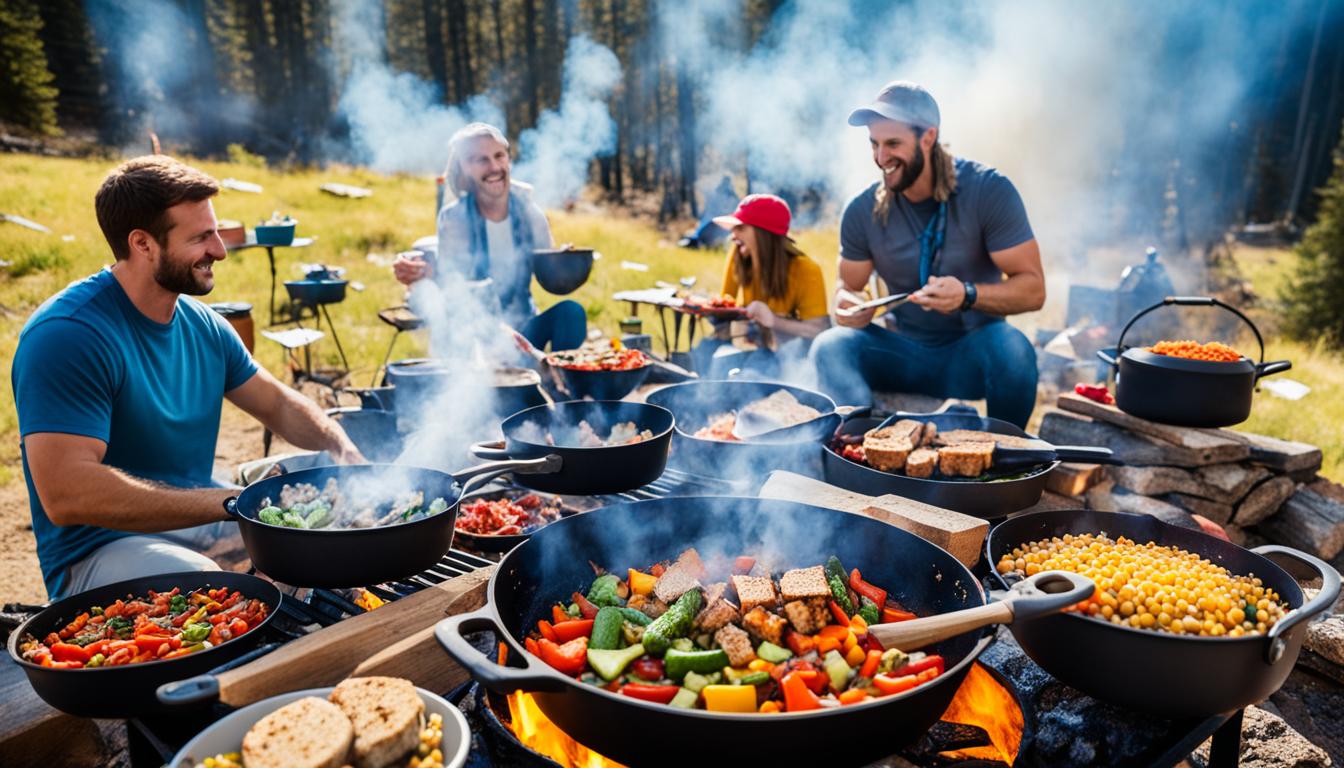
Campfire Vegetarian Classics
Choose these dishes only when your cooking equipment and fire restrictions allow the required method. A camp stove can be a more predictable plan than relying on an available fire.
Dutch Oven Mac and Cheese
Menu variation — usually contains dairy. Use package or recipe quantities for pasta, milk, cheese and water. Keep dairy cold and choose a pot suitable for stirring. A plant-based version needs a compatible sauce recipe rather than a direct assumption that every substitute behaves the same way.
Campfire Pizza Margherita
Menu variation — contains dairy unless adapted. Use a ready-made base, tomato sauce, mozzarella and basil with a recipe for your covered skillet or oven. Keep mozzarella cold. Check base and cheese ingredients for vegetarian requirements; use suitable plant-based cheese for vegan diners.
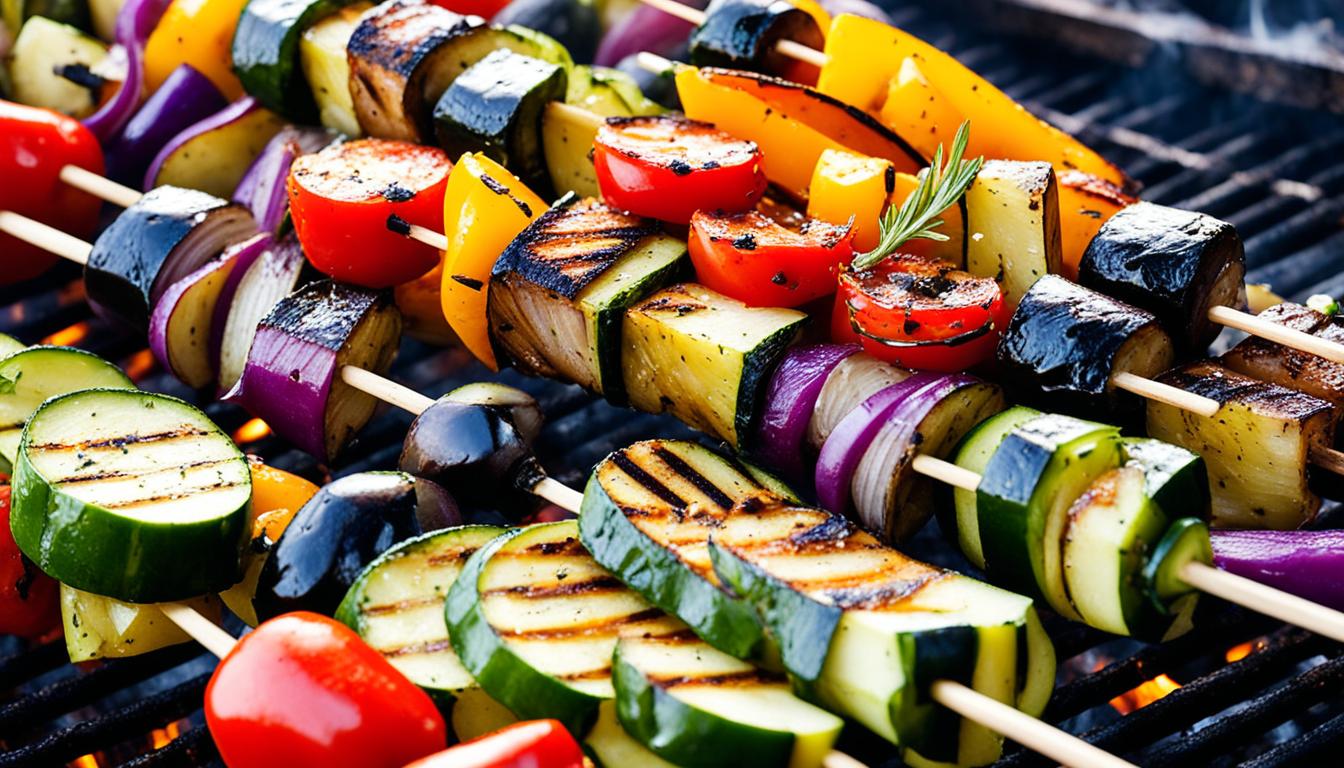
Grilled Ratatouille Kebabs
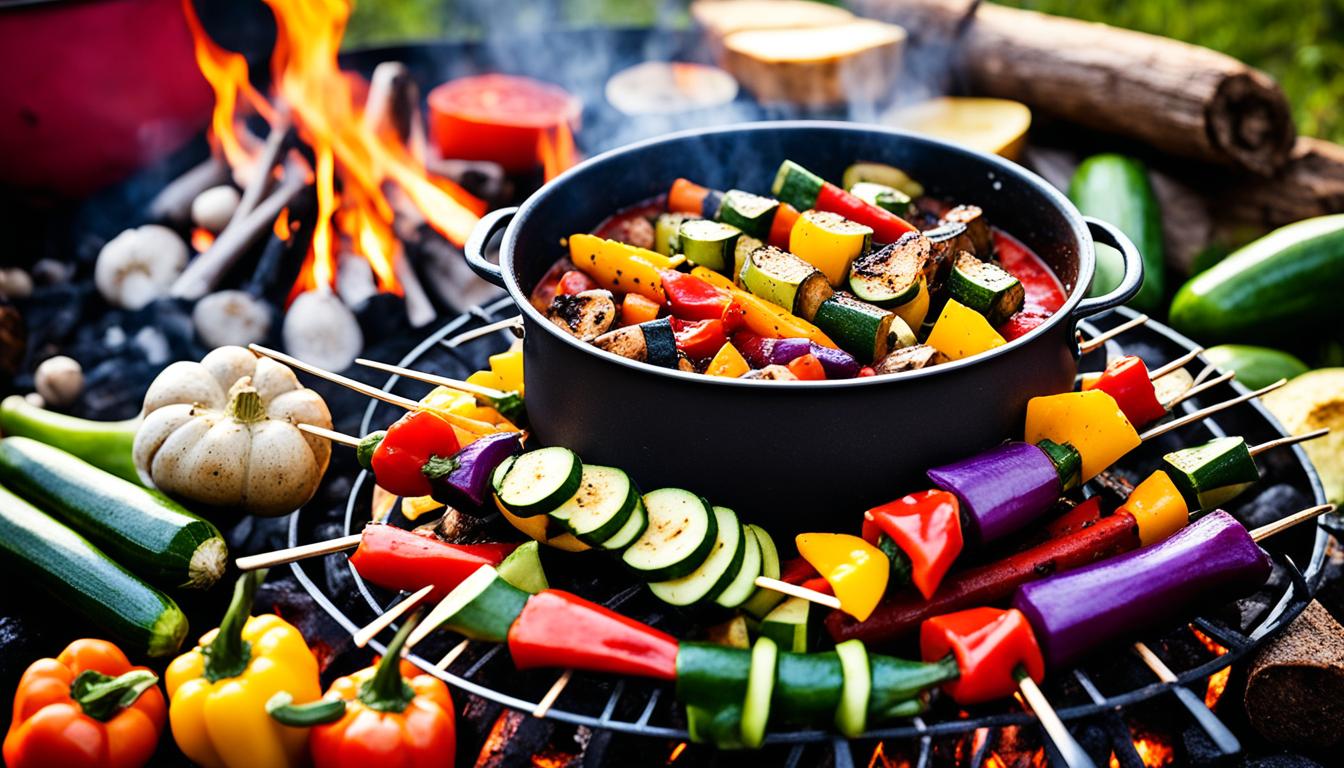
Menu variation. Cut vegetables into pieces that cook at a similar rate, use food-safe skewers and follow the grill instructions. Keep pre-cut vegetables cold. Vegetables alone may be a side dish; add beans, bread or another planned main course for the meal.
Plant-Powered Adventure Fuel
The following skillet recipe uses a little water to soften sweet potato before browning the filling. It avoids depending on a raw potato cooking evenly inside a foil packet.
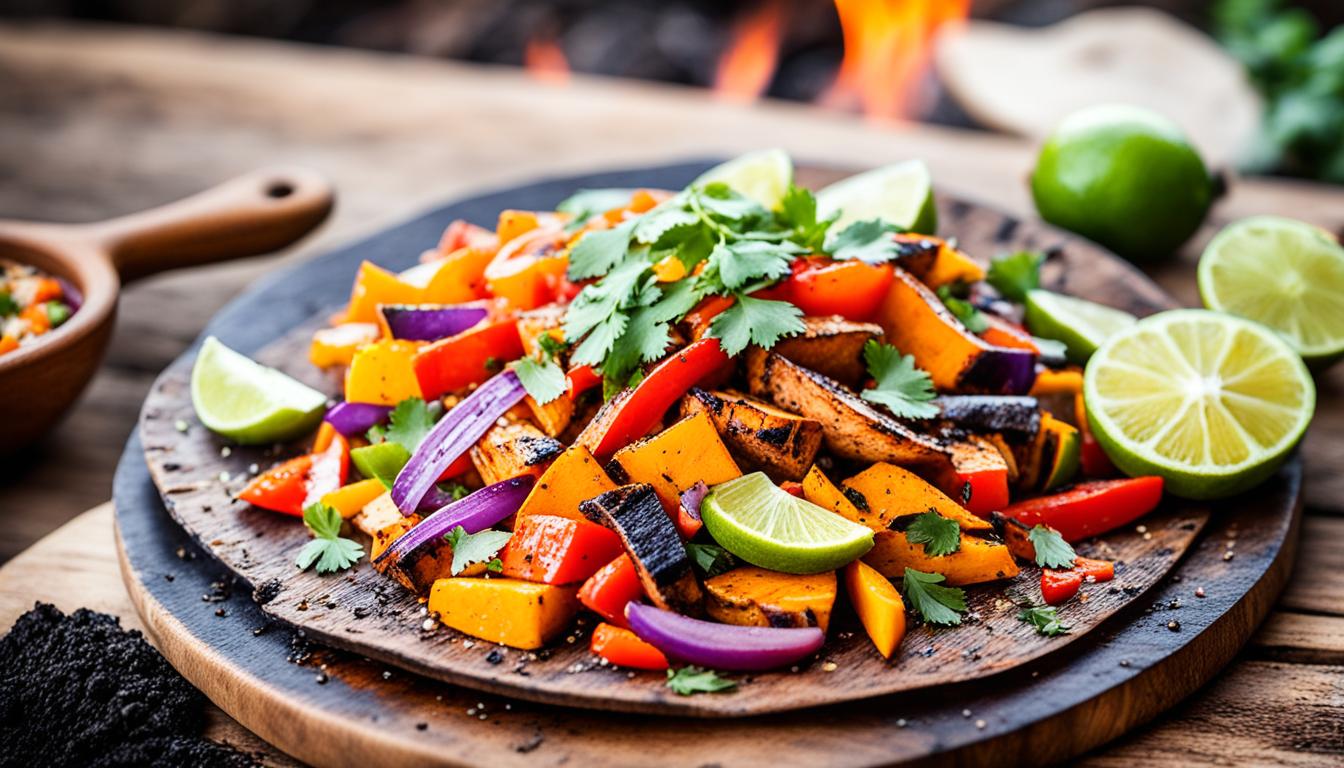
Grilled Sweet Potato Fajitas
Serves 2 · large compatible skillet with lid, knife, board and spatula · approximately 25–35 minutes. Despite the familiar grilled-fajita name, this version uses a covered skillet on a controllable stove.
Ingredients: 1 medium sweet potato (about 250 g), diced into 1 cm pieces; 1 bell pepper, sliced; ½ onion, sliced; one 15-ounce can black beans, drained and rinsed; 2 teaspoons oil; 2 teaspoons fajita seasoning; ⅓ cup potable water, plus a little extra if needed; 4 small tortillas; optional lime.
- Prepare vegetables on a clean board at camp, or keep pre-cut vegetables cold during transport. Check that the seasoning contains no excluded ingredients.
- Put the sweet potato and ⅓ cup water in the skillet. Cover and simmer gently for roughly 8–12 minutes, until a fork enters the pieces easily. Add small amounts of water if the pan dries before the potato is tender.
- Remove the lid. Once excess water has evaporated, add the oil, pepper and onion. Cook, stirring, for approximately 5–8 minutes until the vegetables soften.
- Stir in the beans and seasoning; heat until hot throughout. Warm tortillas separately if your cookware permits, then divide the filling among them.
Water and storage: Carry cooking, bean-rinsing and cleanup water. Keep pre-cut vegetables and leftovers cold. The base recipe can be vegan with suitable tortillas and seasoning; dairy toppings require their own label and cooler checks.
Sweet Vegetarian Camping Treats
The banana boats below are portioned for two. Apple cobbler is an additional baking idea for trips with a suitable Dutch oven and a complete recipe.
Dutch Oven Apple Cobbler
Menu variation. Follow a complete recipe for your oven size, fruit quantity and topping. Butter or milk makes the usual topping vegetarian rather than vegan; follow the storage requirements for the chosen ingredients. Check fire restrictions before planning coal cooking.
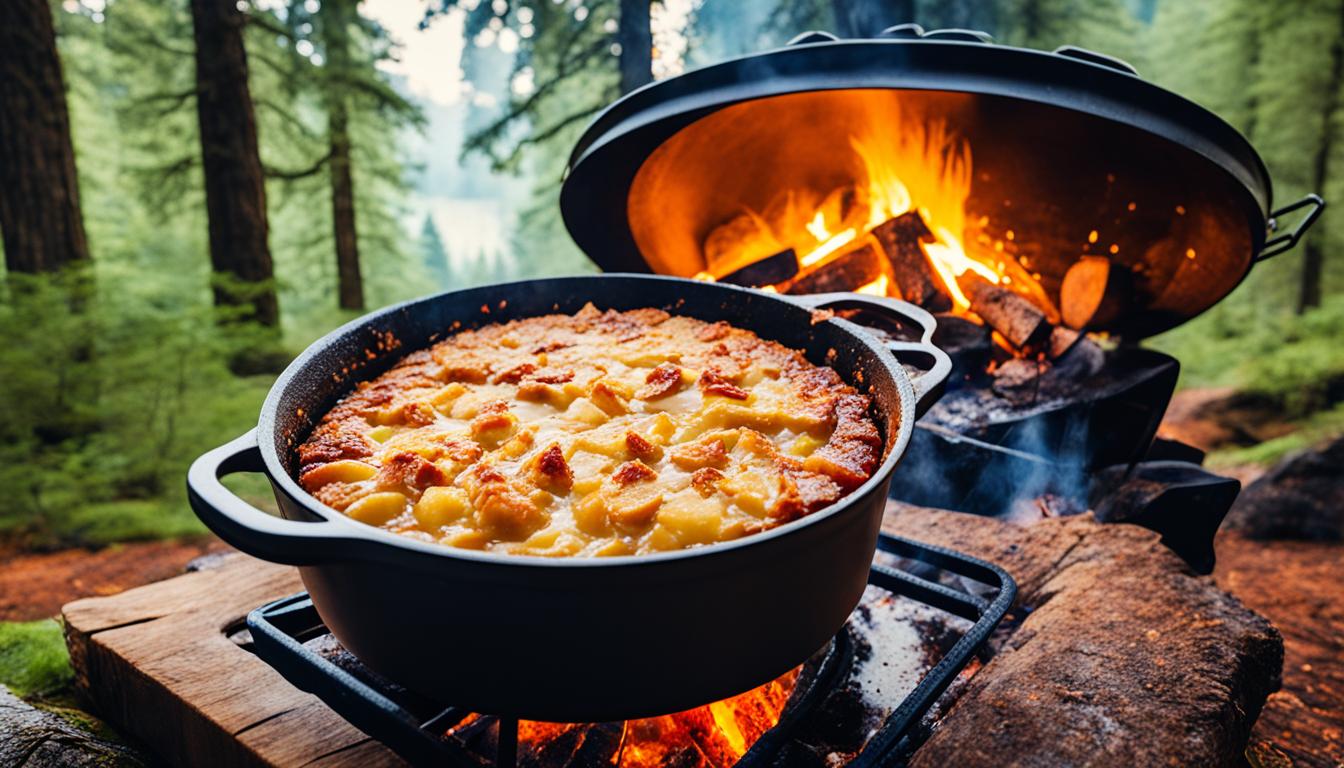
Campfire Banana Boats
Serves 2 · foil, tongs and heat-resistant gloves · approximately 8–12 minutes of cooking. Use an established, permitted cooking area and follow local fire rules.
Ingredients: 2 bananas; 2 tablespoons chocolate chips; 2 tablespoons small marshmallows. Choose gelatin-free marshmallows for vegetarian diners and dairy-free chocolate plus suitable marshmallows for a vegan version. Nut butter is an optional alternative when there is no nut allergy.
- Leave the peels on and slit each banana lengthwise without cutting all the way through. Open the slit slightly and divide the chocolate and marshmallows between them.
- Wrap each in foil. With tongs, place on a stable grate over gentle coals, away from direct flames, and turn as needed.
- Check after about 8 minutes; continue until the banana is soft and the filling melts. Heat varies, so inspect the food rather than relying on a fixed time.
- Lift with tongs onto a heat-safe surface. Allow to cool and open away from faces because foil and trapped steam can burn.
Stove alternative: Peel and halve the bananas, warm in a lightly oiled compatible covered skillet over low heat, then add the toppings until softened. Carry cleanup water and pack out every piece of foil. Follow opened topping storage instructions.
Portable Vegetarian Camp Fare
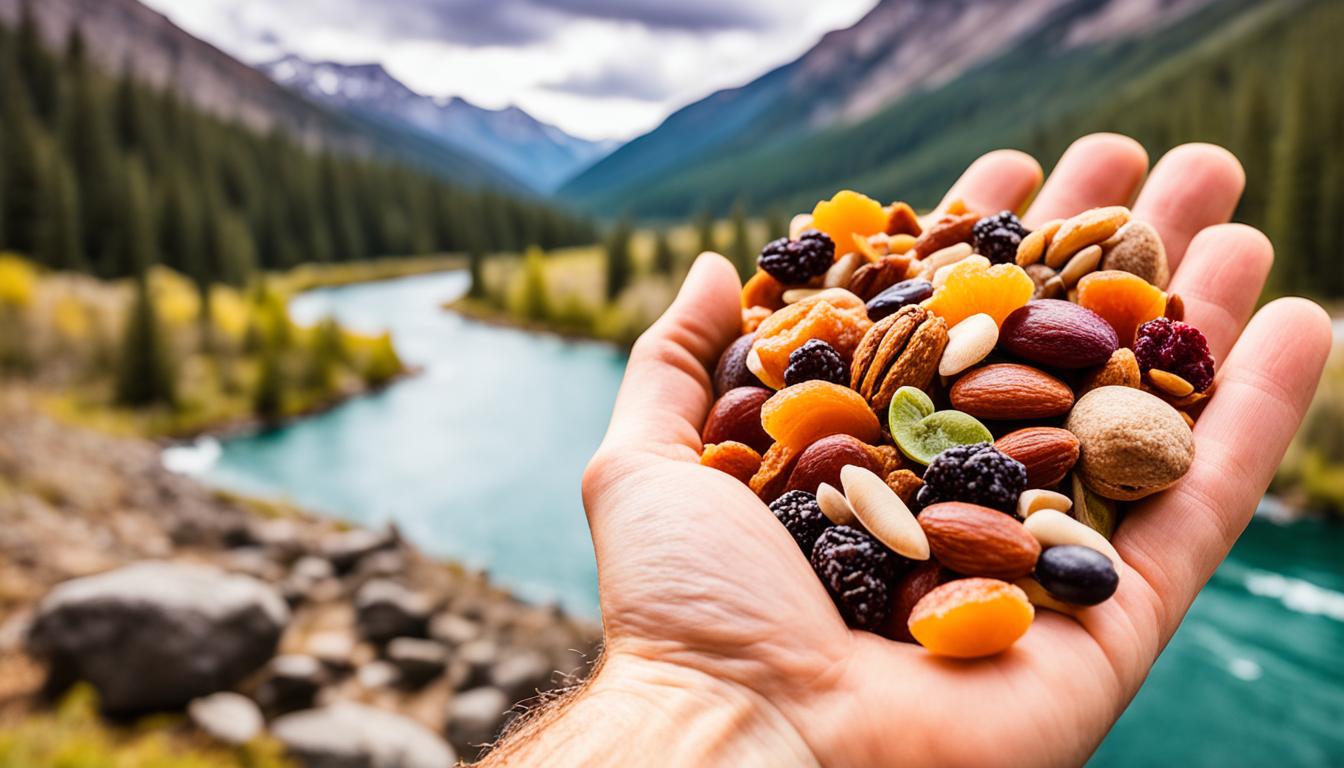
For a no-cook backup, pack labelled shelf-stable nut or seed butter, crackers, whole fruit and commercial trail mix. Hummus wraps, cooked bean salads and cut produce need cooling. A sealed container prevents spills; it does not make prepared food shelf-stable.
Nutritious Camping Cuisines
Plan portion sizes for your group and trip. Include a carbohydrate, a protein source and a fat across the menu, and use actual package information when you need nutrient totals. No nutrition calculation or field performance test is claimed for these suggestions.
Dehydrated Veggie Dishes
Commercial dried meals should be prepared and stored according to their labels. Homemade dehydration needs a validated process for the actual food and packaging; this guide does not establish a safe drying method or shelf life. Do not assume any homemade cooked meal becomes safe for multi-day ambient storage after drying.
Foil Packet Veggie Dinners
Menu variation. Use a complete foil-packet recipe with suitable portion sizes and a permitted heat source. Dense vegetables need smaller pieces and enough moisture to become tender. Handle packets with tongs and gloves, and open away from faces to release hot steam.
Meatless Campfire Cooking Highlights
Use the cooking method allowed at your destination. Maintain a stove or no-cook backup if a fire ban or weather could prevent your planned meal.
Campfire Vegetarian Skewers
Menu variation. A vegetable-and-tofu skewer needs a recipe appropriate to the ingredients and grill. Keep tofu and pre-cut produce cold, check marinade ingredients and avoid reusing a serving utensil on unprepared food.
Backpacking Vegetarian Rations
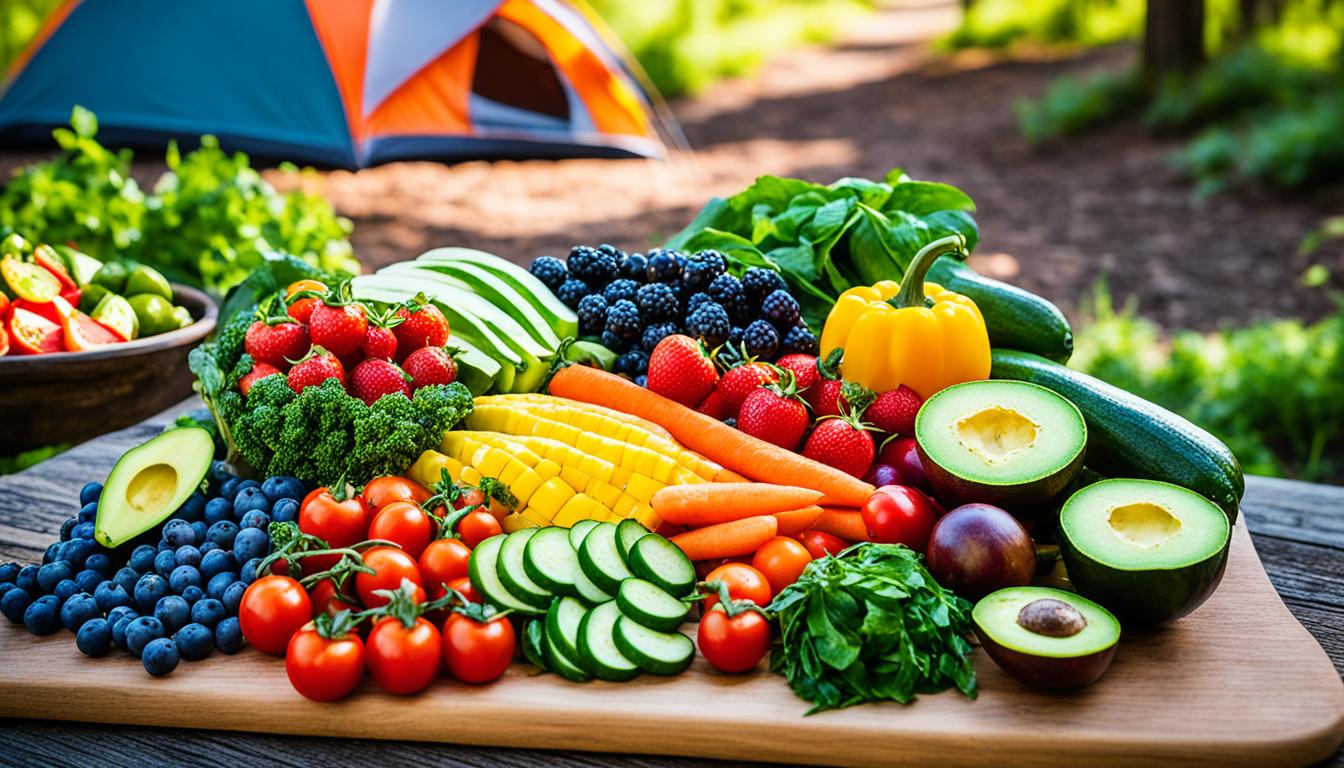
Compare commercial dried meals, instant grains, nut butter, crackers and dried fruit by carried weight, portions and required cooking water. Follow each label. Home-cooked or home-dried meals need a validated storage process before being used as unrefrigerated rations.
Camp Cookery Sans Meat
Match the stove and cookware to the recipe, full pot weight, fuel and site restrictions. Dietary preference does not create a separate class of stove.
Vegetarian Camp Stoves
Choose stable pot support, a suitable pan size and usable heat control for your actual meal. Follow the stove manual for fuel, clearances, maximum load and wind protection. Use it outdoors, outside tents and vestibules. Non-stick is a cookware feature; it is not a reason to buy a supposed vegetarian stove.
Meatless Campfire Cooking Techniques
Choose an established cooking area when fires are permitted. Match the grate, oven and handling equipment to the recipe, allow controlled heat and keep children clear. Follow the campsite’s extinguishing and waste rules.
Vegetarian Camping Menu Planning
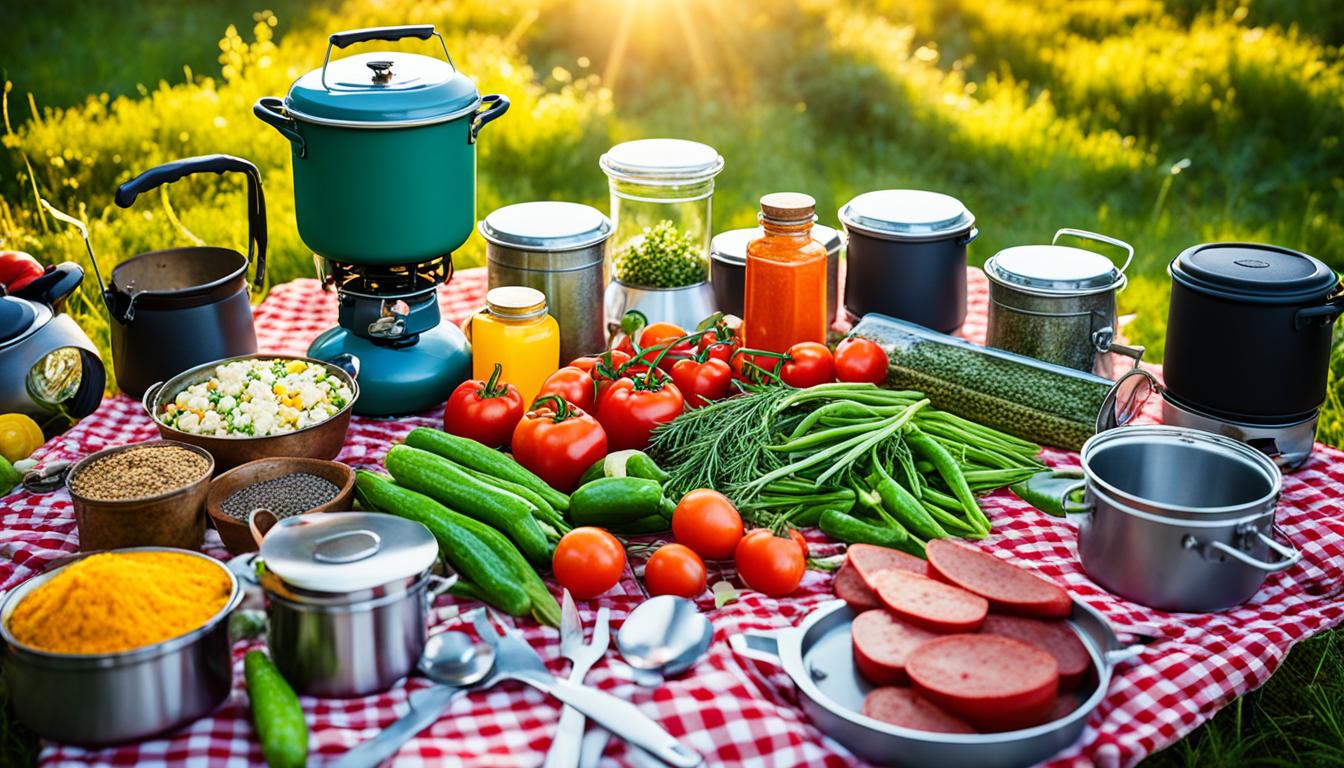
Write a meal-by-meal list with portions, shared ingredients, fuel, cooking water and a backup you can eat without heating. Pack a cooler thermometer when any ingredient needs refrigeration.
Meat-Free Camping Cuisine
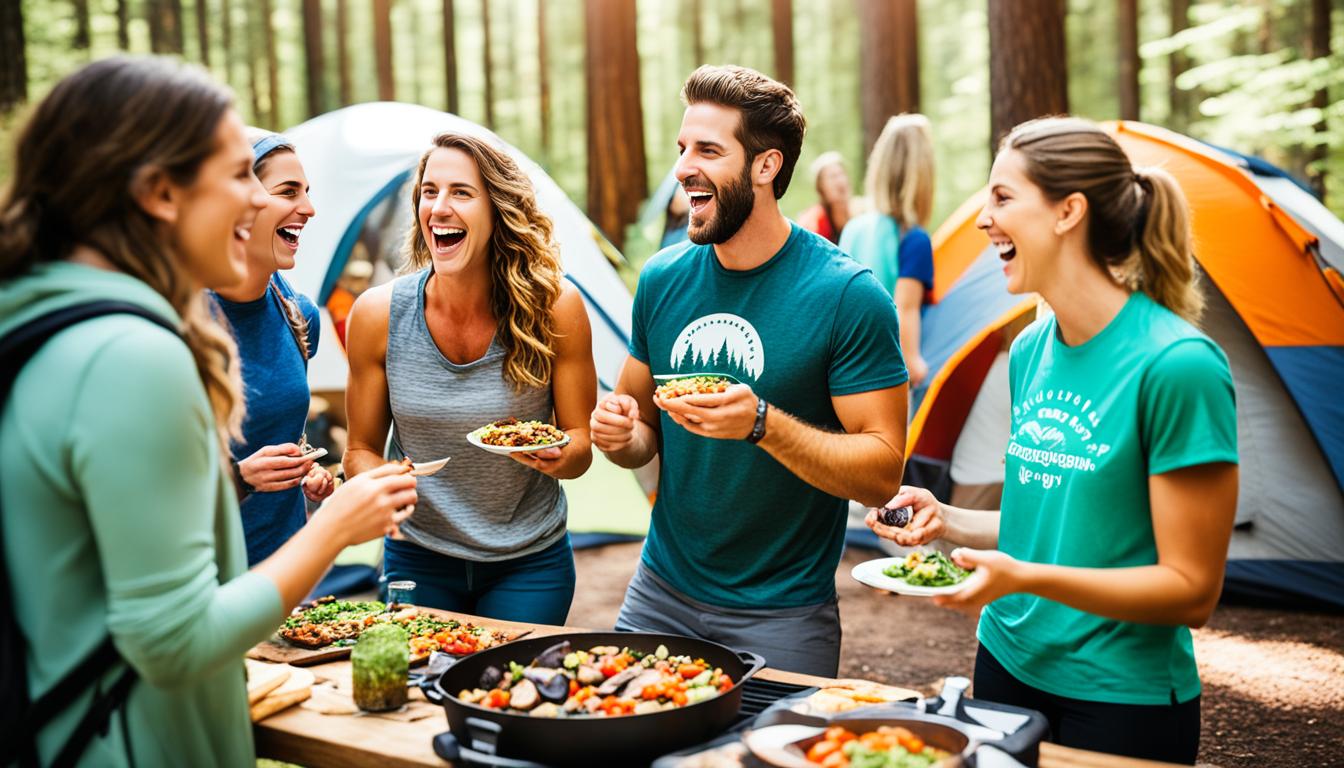
Cook-ahead chili or stew can save work at camp only when cooled promptly, transported cold and kept cold. Reheat leftovers to 165°F (74°C), checked with a food thermometer; bring soups and sauces to a rolling boil. If the cold chain fails, discard the food rather than relying on reheating to rescue it.
Plant-Based Camp Snacks
Whole fruit, commercial roasted chickpeas, nut or seed butter, crackers and labelled shelf-stable bars are convenient options. Check allergies and package storage requirements. Homemade bars and energy balls need their own storage plan.
Camping Without Meat
A manageable menu beats a long list of dishes you have never cooked. Try one unfamiliar recipe at home, check the portions and packed equipment, then repeat ingredients across meals.
Plant-Based Hiking Snacks
Divide snacks into daily portions and store them according to local wildlife rules. Pack out crumbs, scraps and packaging; food remains an attractant when it contains no meat.
Dairy-Free Camp Cooking
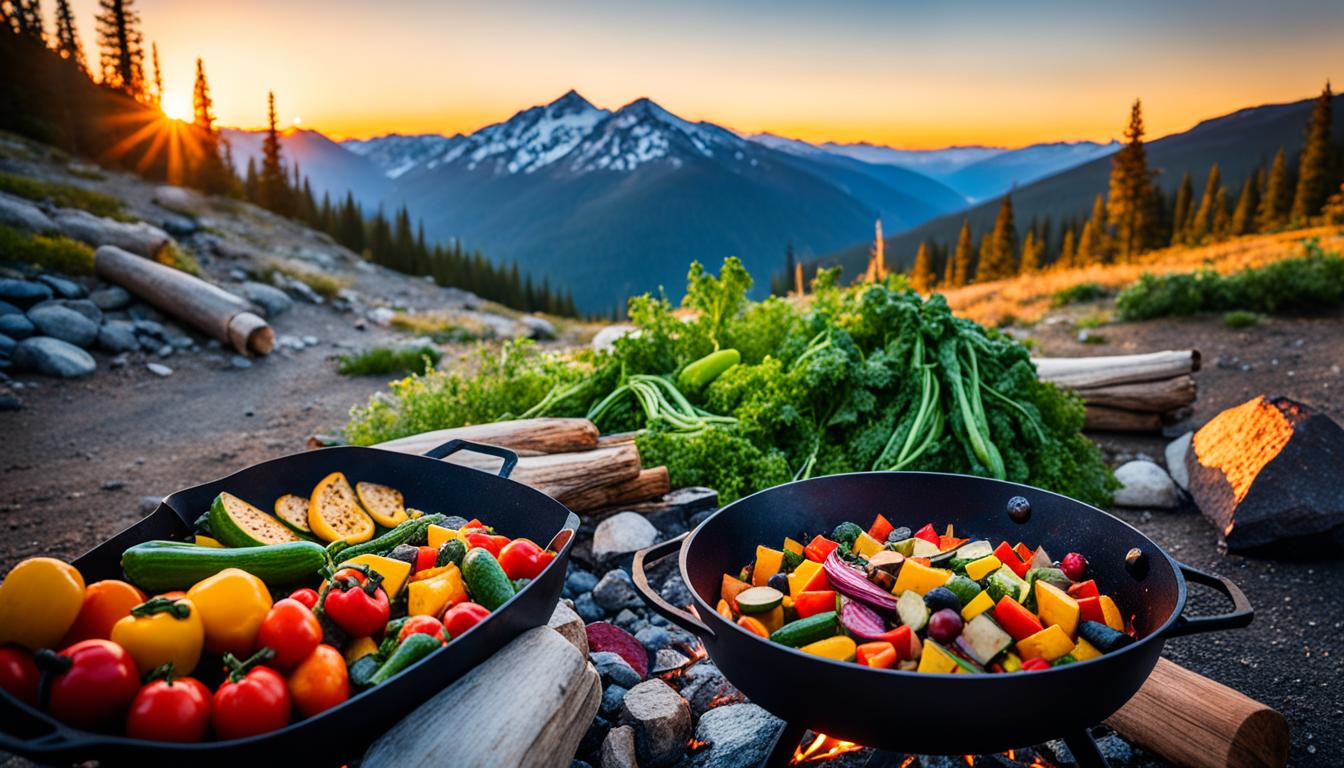
Check milk alternatives, sauces and chocolate for the actual vegan or allergy requirement. Shelf-stable cartons often require refrigeration after opening. Small cartons can reduce unused perishables, but the package instructions still control storage.
Conclusion
Choose the pancake, chili, curry, fajita or banana-boat recipe that fits your stove and storage plan. Keep the other dishes as ideas until you have a complete recipe and the equipment to cook it. Carry safe water, adequate fuel and a no-cook backup.
Food-safety references reviewed 27 October 2026: USDA outdoor food handling and USDA leftovers and reheating guidance.
Vegetarian camp cooking FAQ


