
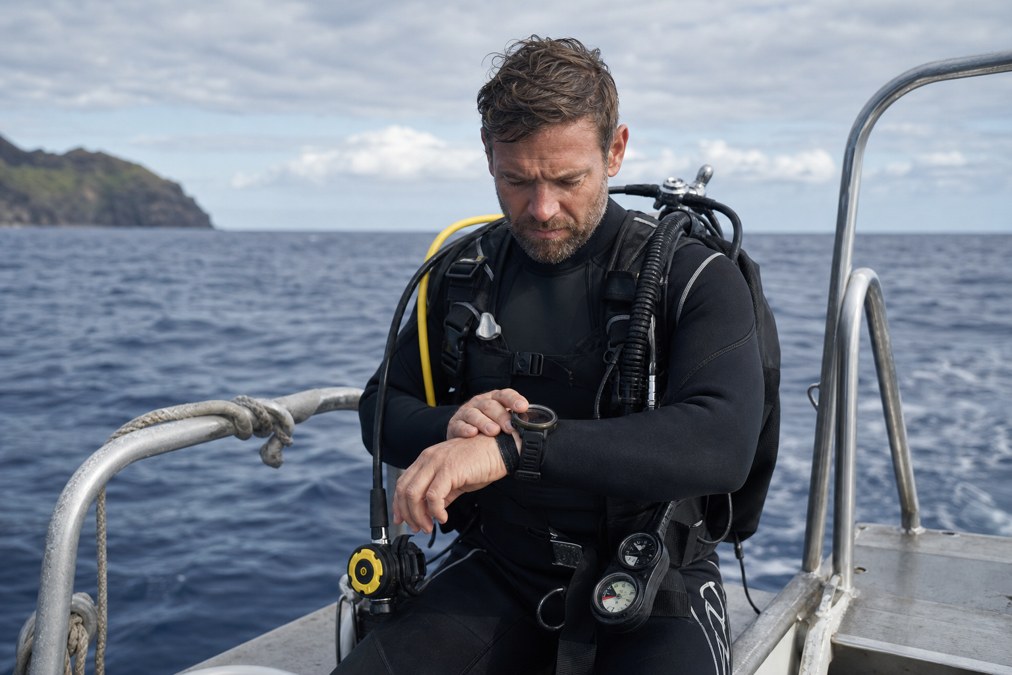
3 Best Scuba Wetsuits by Water Temperature in 2026
Quick answer: compare the 3mm full suit, 5mm jumpsuit and 7mm John by fit, intended use and the complete dive plan. Temperature bands are only rough starting points; a John is not a complete cold-water suit, and neoprene loses insulation as it compresses at depth.
Use the temperature bands as starting points; exposure time, repetitive dives, current, wind, hood and personal cold tolerance change the answer.
Those ranges are starting points, not guarantees. Dive length, repetitive dives, current, wind, body composition, hood and gloves all change how quickly you lose heat.
Start here — pick your job
Comparison criteria
Qualitative comparison; supporting evaluation records for numeric ratings were not established.
How we ranked these
We matched published neoprene thickness, seam construction, closure, and intended water range to distinct dive jobs. We replaced the old 2mm surface-sports pick with a true 5mm scuba jumpsuit.
Which pick fits you?
Warm reef dives
Use a flexible full 3mm for abrasion coverage without excessive buoyancy.
Cool water and repetitive dives
Check the actual5mm suit and complete exposure plan; no automatic hooded-layer formula applies.
Layered 7mm protection
A John is incomplete arm coverage. Confirm the complete compatible exposure system with a qualified dive professional rather than adding arbitrary layers.
3mm vs 5mm
Cressi Morea 3mm
- No fixed water-temperature band guarantees safe protection. Confirm actual suit fit and complete exposure plan, accounting for neoprene compression at depth.
- Less buoyant
- More shoulder mobility
- Lower weighting burden
- Best warm-water travel
Henderson Thermoprene 5mm
- No fixed water-temperature band guarantees safe protection. Confirm actual suit fit and complete exposure plan, accounting for neoprene compression at depth.
- GBS seams
- Warmer on repetitive dives
- More buoyancy
- Best all-around cool-water pick
Temperature notes
- These ranges are starting points, not medical guarantees.
- Cold stress can impair judgement—end the dive if shivering or dexterity loss begins.
- A loose suit that flushes can underperform a thinner suit that seals correctly.
Product photos are on each card below — self-hosted on OutdoorsPapa (no duplicate URLs in this strip).
Decision rules
- Thickness alone is not an exposure recommendation. Plan actual fit, depth, duration, repeated dives and complete protection with a qualified local dive professional.
- No fixed water-temperature band guarantees safe protection. Confirm actual suit fit and complete exposure plan, accounting for neoprene compression at depth.
- Choose the 7mm John as part of a complete layered cold-water system.
- Choose drysuit training when local conditions fall outside safe wetsuit use.
Why Water Temperature Determines Wetsuit Thickness
Neoprene’s gas-filled structure provides insulation, while flushing increases heat loss. Thickness and trapped gas affect buoyancy, and depth compresses neoprene. Fit and complete exposure planning matter.
What to Look For — Buyer’s Guide
Choose by actual fit, thickness, construction and complete dive plan.
Key Factors at a Glance
Thickness alone is not an exposure recommendation. Plan actual fit, depth, duration, repeated dives and complete protection with a qualified local dive professional.
A snug seal at neck, wrists, and ankles matters as much as thickness.
Long and repetitive dives cool you faster than a single shallow dive.
Cold-water protection includes hood, gloves, boots—and sometimes drysuit training.
The 3 Best Scuba Wetsuits in 2026
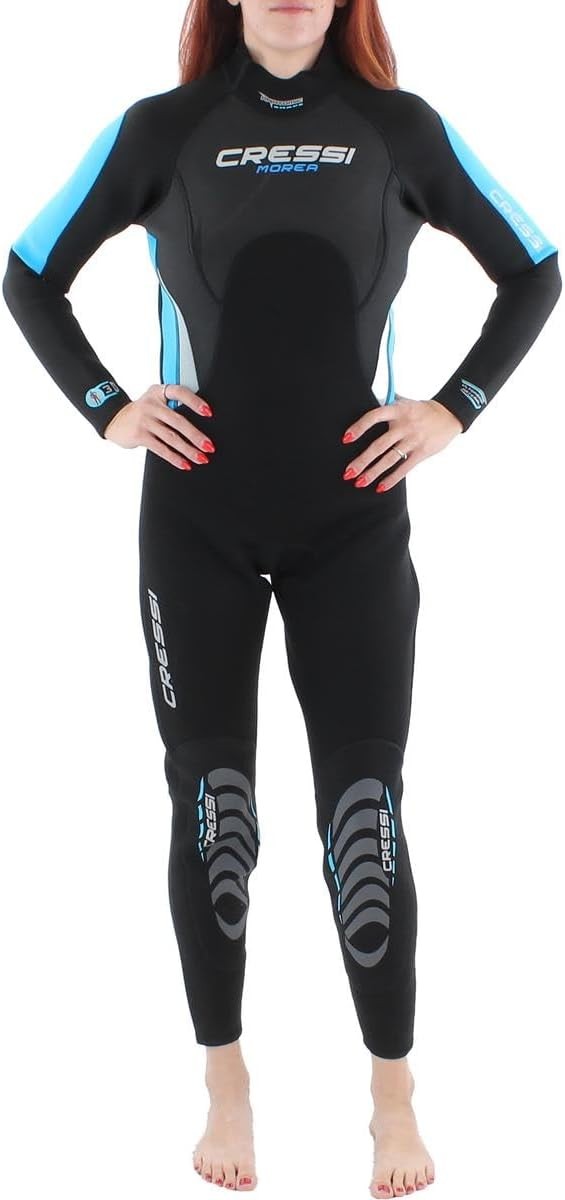
Cressi Morea 3 mm — Selected Women’s Large
| Thickness | 3 mm; women’s Large selected |
|---|---|
| Range | No guaranteed temperature band |
| Closure | Maker YKK back zip |
| Best use | Actual fit and complete dive exposure plan |
Buy this if
- The actual fit and documented use suit your plan
Skip if
- The actual size, version or operating requirements do not fit
Pros
- No guaranteed temperature band
Cons
- Actual fit and complete dive exposure plan
Complete the kit
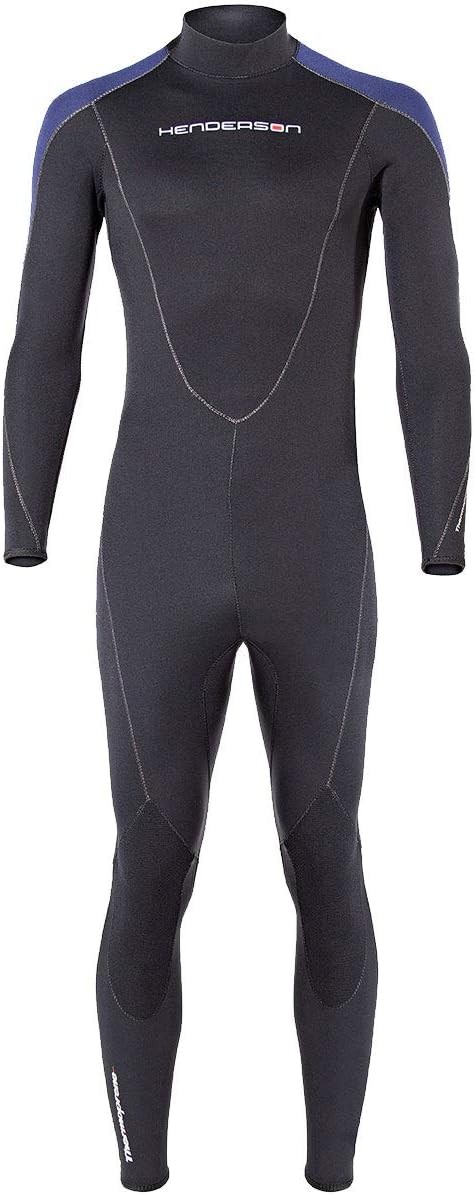
Henderson Thermoprene 5 mm — Selected Men’s XL Short
| Thickness | 5 mm; men’s XL Short selected |
|---|---|
| Range | No guaranteed 60–75°F band |
| Seams | Verify actual Thermoprene generation |
| Best use | Complete exposure plan; no universal range |
Buy this if
- The actual fit and documented use suit your plan
Skip if
- The actual size, version or operating requirements do not fit
Pros
- No guaranteed 60–75°F band
Cons
- Complete exposure plan; no universal range
Complete the kit
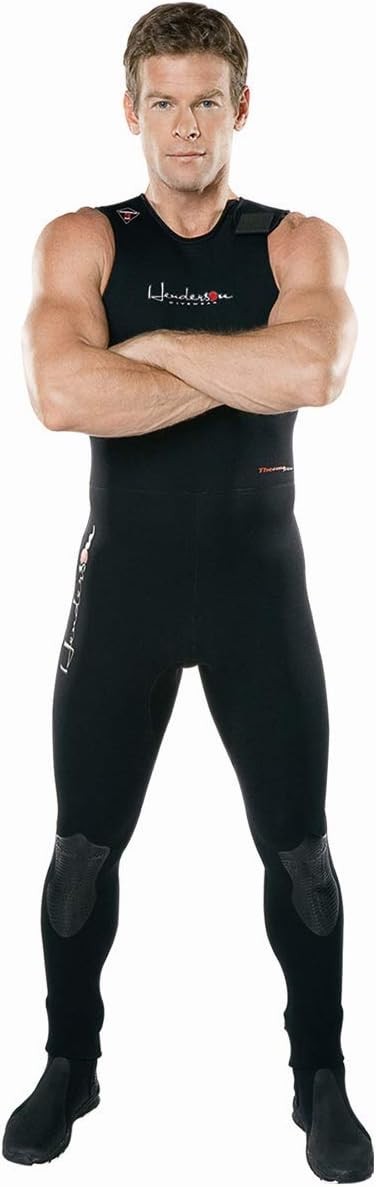
Henderson Thermoprene 7 mm John — Selected Men’s Medium
| Thickness | 7 mm John; men’s Medium |
|---|---|
| Range | No below 60°F assurance |
| Entry | Verify actual closure and fit |
| Best use | Incomplete arm coverage; professional system planning |
Buy this if
- The actual fit and documented use suit your plan
Skip if
- The actual size, version or operating requirements do not fit
Pros
- No below 60°F assurance
Cons
- Incomplete arm coverage; professional system planning
Complete the kit
Manufacturer cross-check, 22 October 2026: Morea women’s · Thermoprene family · DAN fit and compression
Full Comparison Table
| Product | Thickness | Best Use | Buy |
|---|---|---|---|
| Cressi Morea 3 mm — Selected Women’s Large | 3 mm; women’s Large selected | Actual fit and complete dive exposure plan | Amazon → |
| Henderson Thermoprene 5 mm — Selected Men’s XL Short | 5 mm; men’s XL Short selected | Complete exposure plan; no universal range | Amazon → |
| Henderson Thermoprene 7 mm John — Selected Men’s Medium | 7 mm John; men’s Medium | Incomplete arm coverage; professional system planning | Amazon → |
Common mistakes
- Buying by air temperature — Water removes heat far faster than air.
- Ignoring fit — Flush defeats extra neoprene.
- Treating a John as a complete cold-water suit — Complete the layer system.
- Forgetting extra weight — Thicker neoprene changes buoyancy and weighting.
- Storing folded — Permanent creases weaken neoprene.
Frequently Asked Questions
What wetsuit thickness for 70°F water?
Can I use one wetsuit for all dive trips?
How do I store a wetsuit between dive seasons?
Is a 7mm John enough for cold-water scuba?
Does wetsuit fit matter more than thickness?
Related Guides


