
Why Surfing Is Dangerous — and How to Manage It
Rip currents, submerged hazards, collisions and changing conditions: assess the actual break with qualified local advice before deciding to enter.

On this page
- The Power of the Ocean: Understanding the Risks
- Physical Demands: Balancing Strength and Endurance
- Potential Hazards: Marine Life and Submerged Objects
- Equipment Safety: Choosing the Right Gear
- Weather Conditions: Surfing Responsibly
- Crowded Lineups: Navigating Surf Etiquette
- Inexperienced Surfers: The Importance of Skill Development
- Preparing for Emergencies: Knowing First Aid and CPR
- Surfing at Night: Extra Precautions for Darkness
- Overcoming Fear: Mental Preparedness for Dangerous Situations
- Surfing-Related Injuries: Types and Prevention
- Surfing in Remote Locations: Safety Considerations
- Learning from Accidents: Post-Incident Analysis
- Conclusion
- Surf safety FAQ
beginners deciding whether a break is beyond them, and improving surfers who want a clear list of what actually causes injuries in the water.
For the related music question, keep audio gear ashore and read the awareness and equipment limits in the linked guide. Related: listening to music while surfing
Surfing is a popular water sport that attracts people from all over the world. It can be an exhilarating experience, riding waves and feeling the power of the ocean beneath you. However, it’s essential to understand that surfing comes with inherent risks. Being aware of the potential dangers and taking necessary precautions is crucial for a safe and enjoyable surfing experience.
So, why is surfing dangerous?
Firstly, the ocean can be unpredictable, and waves can be powerful, which can cause injuries or accidents. Secondly, the presence of marine life, such as sharks or jellyfish, can also pose risks. Thirdly, surfing requires physical fitness, and inadequate preparation can lead to exhaustion or injury. Finally, weather conditions can change rapidly, and surfers must stay aware and prepared to avoid dangerous situations.
To ensure your safety and minimize the risks associated with surfing, it’s essential to take necessary precautions, such as selecting the right gear, understanding surf etiquette, and monitoring weather conditions.
Key Takeaways:
- Understanding the potential dangers of surfing is essential for a safe experience.
- The ocean’s unpredictability, marine life, physical demands, and weather conditions are all potential risks.
- Surfing safely requires taking precautions, such as choosing the right gear, understanding surf etiquette, and monitoring weather conditions.
- Physical fitness is crucial for surfing, and proper preparation can reduce the risk of exhaustion or injury.
- By being aware of potential dangers, taking necessary precautions, and continuously improving your skills and knowledge, you can enjoy surfing safely.
The Power of the Ocean: Understanding the Risks
Surfing takes place in the powerful, ever-changing environment of the ocean. Every surfer should be aware of the potential risks of the waves, rip currents, and other hazards that come with this sport.
The ocean’s power can create some of the most thrilling waves, but it also poses significant danger. The force of the waves can knock you off your board and slam you into the ocean floor. The currents can be unpredictable and sweep you out to sea. Being caught in either of these situations can lead to serious injury or even death.
Rip currents are among the most significant dangers surfers face. They are strong currents that move directly away from the shore and can quickly drag swimmers or surfers away from the beach and into deeper water.
| Type of Current | Description | How to Escape |
|---|---|---|
| Rip currents | Narrow flows moving away from shore; they do not pull you underwater. | Do not fight directly against the flow. Stay afloat, signal for help and keep your board when possible. If able, move alongshore out of the current, then angle toward shore. |
| Wave backwash | Water returning down the beach after a wave; not a synonym for a rip current. | Ask local lifeguards about the break, shorebreak and exit conditions before entering. |
Understanding the risks of the ocean is crucial for every surfer’s safety. Keep an eye on weather and surf forecasts and adjust your plans accordingly. Pay attention to ocean conditions and consult with lifeguards or other experienced surfers if you are unsure about the risks involved.
Remember, the ocean is an ever-changing environment, and every day brings new challenges and risks. By respecting the power of the ocean, educating yourself on potential hazards, and staying well-informed, you can minimize the risks and maximize the thrills of this incredible sport.
Physical Demands: Balancing Strength and Endurance
If you want to become a skilled surfer, you need to be physically fit and have the endurance to handle the demands of the sport. Surfing requires balance, strength, and flexibility, and it can be challenging to achieve all of these qualities.
Your fitness level is essential for reducing the risk of injury and ensuring you get the most out of your surfing experience. If you’re new to the sport, it’s essential to start slowly and work on building your strength and endurance over time.
To prepare for surfing, you should focus on activities that build core strength, balance, and endurance. Running, swimming, yoga, and cycling are all excellent choices for surfers.
Strength and Endurance
A strong core is crucial for surfing, as it helps you maintain balance and stability while riding waves. You can build core strength with exercises like planks, sit-ups, and squats.
In addition to core strength, you also need upper body strength. Paddling is a significant part of surfing, and you need enough strength to paddle out to the lineup, catch waves, and avoid getting pounded by large swells.
Strength training with weights or resistance bands can help you build the necessary strength for surfing. You can also use bodyweight exercises like push-ups and pull-ups to build upper body strength.
Conditioning can support paddling and recovery, but fitness does not establish competence in a particular break or eliminate injury risk.

Potential Hazards: Marine Life and Submerged Objects
When surfing, you’re not alone in the water. The ocean is home to various marine life, and surfers should be aware of the potential hazards they may encounter. Additionally, there may be submerged objects such as rocks, reefs, or debris that can pose threats to surfers. Understanding these dangers and taking necessary precautions can prevent injuries or accidents.
Marine Life Encounters
Follow current local shark warnings, beach closures and lifeguard instructions. Do not rely on a universal time-of-day rule, jewellery advice or an encounter script to make entry safe; this guide does not establish species-specific response instructions.
Sting treatment depends on the animal and region. Ask a lifeguard or local medical service promptly; do not apply vinegar to every marine sting. Avoid handling tentacles or spines with bare hands. Breathing difficulty, collapse or severe symptoms require emergency help.
Submerged Objects
Submerged objects such as rocks, reefs, or debris can be hazardous to surfers. Always check the area where you’ll be surfing and keep an eye out for any potential hazards. If you’re not familiar with the area, it’s best to surf with someone who is. Also, make sure your surfboard is in good condition, and the fins are secure to avoid accidents caused by equipment failure.
Check the actual break
Being aware of potential hazards in the water is essential for every surfer. Understanding the risks associated with marine life encounters and submerged objects and taking necessary precautions can prevent accidents and injuries. Remember always to surf with a buddy and keep an eye out for potential dangers to ensure a safe and enjoyable surfing experience.
Equipment Safety: Choosing the Right Gear
Suitable equipment supports a complete safety plan. It does not make conditions beyond your ability safe.
- Surfboard Safety: Your surfboard is your most important piece of equipment. Make sure it is in good condition, free of cracks, and not too small or too large for your skill level. A properly sized surfboard will make it easier for you to catch waves and maneuver in the water.
- Wetsuit selection: choose an appropriate fit and thermal system for the actual water, weather and exposure. Neoprene is not impact armour or a guarantee against cuts, hypothermia or drowning.
- Leash usage: use a suitable surf leash as its maker and qualified local instruction direct, and inspect it before entry. A leash can fail or entangle; it is not a flotation device or a substitute for swimming ability and a safe exit plan.

Remember, proper maintenance of your equipment is also crucial for your safety. Inspect your gear regularly for any signs of wear and tear, and replace any damaged parts immediately. By choosing the right gear and taking care of it, you can ensure a safer and more satisfying surfing experience.
Weather Conditions: Surfing Responsibly
Weather conditions have a significant impact on surfing safety, and it’s crucial to understand how different weather patterns can affect the ocean. Surfing in adverse weather conditions or stormy weather can be hazardous and should be avoided.
To ensure your safety, it’s essential to monitor weather forecasts and to check the local surf reports before heading out. Understanding the impact of tides, currents, and winds on the ocean is also crucial.
Surfing Responsibly
Surfing responsibly means being aware of your limits and abilities in the water, as well as being considerate of other surfers. It’s important to avoid overcrowded breaks and to communicate effectively with other surfers to reduce the risk of accidents and ensure a harmonious surfing environment.
If you’re unsure of the weather conditions or your ability to handle the waves, it’s always best to err on the side of caution and wait for better conditions or seek advice from a more experienced surfer.
Storm Safety
Stormy weather can create unpredictable and dangerous conditions in the ocean. It’s important to avoid surfing during storms or other adverse weather events and to seek shelter if necessary.
Lighting does not make storm surfing safe. Leave the water and seek appropriate shelter when conditions become unsafe; follow lifeguard instructions.
By monitoring weather conditions, surfing responsibly, and taking appropriate safety precautions during storms or adverse weather events, you can minimize the risks associated with surfing and enjoy the sport safely.
Crowded Lineups: Navigating Surf Etiquette
When surfing in crowded lineups, collisions and conflicts can be a significant risk. As a surfer, it’s crucial to follow surf etiquette and communicate with others to minimize the chances of accidents.
Surf Etiquette
Learn local wave priority and positioning from a qualified instructor. Courtesy alone does not establish collision safety.
Some of the most essential surf etiquette rules include:
- Do not treat arrival order as wave priority. Learn the break-specific convention, check who is already riding or taking off and avoid dropping in.
- Don’t drop in on others. Always look left and right before taking off.
- Communicate with other surfers. Use hand signals or vocal communication to let others know where you are.
- Share waves and be courteous to others.
The Danger of Collisions
In crowded lineups, collisions can occur when surfers don’t follow surf etiquette or aren’t aware of their surroundings.
Collisions can result in severe injuries, such as broken bones, concussions, or lacerations. They can also lead to conflicts, which can escalate quickly and cause harm to everyone involved.
Staying Safe in Crowded Lineups
To stay safe in crowded lineups, always pay attention to your surroundings and communicate effectively with other surfers. If you see a dangerous situation unfolding, use a hand signal or shout to warn others.
It’s also essential to be patient and wait for your turn. Never drop in on a wave that someone else is riding. Doing so can result in injuries and conflicts, and it’s not worth the risk.
Collision awareness
By following surf etiquette and being mindful of other surfers, you can reduce the risk of accidents and injuries in crowded lineups. Whether you’re a beginner or an experienced surfer, always prioritize safety and respect for others in the water.
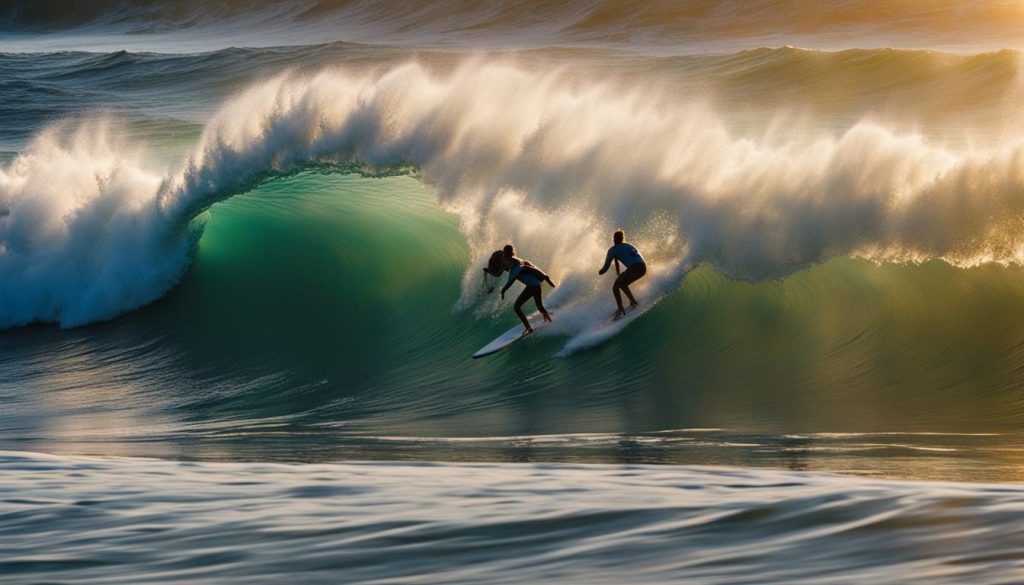
Inexperienced Surfers: The Importance of Skill Development
If you’re new to surfing, it’s essential to focus on skill development and seek out surf lessons. While surfing can be a lot of fun, it’s also a sport that requires physical fitness, balance, and coordination. Don’t underestimate the importance of proper training, as it can help reduce the risk of injury and ensure a safe and enjoyable experience.
Surfing requires a combination of strength and endurance, as you’ll need to paddle out through waves, maintain balance on your board, and stay alert for potential hazards. Without proper training, you may find yourself struggling to keep up physically or lacking the necessary skills to navigate tricky conditions.
Surf lessons can help you learn the basics of surfing, including how to paddle, stand up, and turn on a board. You’ll also gain essential knowledge about ocean safety, such as how to read waves and currents, as well as understanding surf etiquette and respecting other surfers in the lineup.
Skill Development Tips for Inexperienced Surfers
Here are some tips for developing your surfing skills and staying safe in the water:
- Practise in suitable conditions under qualified guidance. Progress within a safe margin; discomfort or uncertainty is a reason to reassess and stay out, not a target to push through.
- Focus on technique: Learning proper form and technique can help you surf more efficiently and reduce the risk of injury. Pay attention to your body position, foot placement, and fluidity of your movements.
- Stay fit: Surfing requires a certain level of physical fitness, including upper body strength, core stability, and cardiovascular endurance. Incorporate surf-specific exercises, like pop-ups and paddling drills, into your workout routine to build strength and stamina.
- Seek guidance: Don’t be afraid to ask for help or guidance from more experienced surfers or instructors. They can offer valuable feedback on your technique, provide tips for navigating challenging conditions, and help you stay safe in the water.
By focusing on skill development, taking surf lessons, and seeking guidance from experienced surfers or instructors, you can minimize the dangers associated with surfing and enjoy the sport safely. Remember always to prioritize your safety whenever you hit the waves, and with time, patience, and dedication, you can become a skilled and confident surfer.
Preparing for Emergencies: Knowing First Aid and CPR
Injuries can happen while surfing, and it’s essential to be prepared for emergencies. Knowing basic first aid and CPR can be the difference between life and death in case of an accident. It’s crucial to understand how to handle common surf-related injuries, such as cuts, bruises, and fractures.
Alert lifeguards or emergency services promptly for a serious incident and follow their instructions. Help only within your current training and do not enter the water for an untrained rescue.
Take a recognised first-aid and CPR course with practical instruction, and keep skills current. Follow local emergency-service instructions; an online injury table does not qualify someone to perform a water rescue or assess a serious injury.
Keep an accessible first-aid kit ashore with your group and know where trained help is available. Do not assume carrying a kit into the lineup improves rescue readiness.
Remember that being prepared for emergencies while surfing can make a significant difference. By having basic first aid knowledge, CPR training, and carrying a first aid kit, you can be ready to respond in case of an accident.
Emergency preparation: training and escalation
| Injury Type | Preparation and escalation limits |
|---|---|
| Cut or Laceration | Learn wound and bleeding care in practical first-aid training. Seek prompt medical assessment for serious or contaminated wounds and follow emergency-service instructions. |
| Bruise or Contusion | Stop the session and assess the need for trained help. Pain, impaired movement or uncertainty can need medical assessment; a table cannot diagnose a bruise. |
| Fracture or Dislocation | Seek urgent trained assistance. Do not attempt to straighten a suspected fracture or reduce a dislocation based on this guide. |
| Head Injury or Concussion | Stop surfing and obtain urgent medical help for a suspected serious head or neck injury. Follow the emergency dispatcher and your practical training; do not return to the session on the basis of this article. |
Surfing at Night: Extra Precautions for Darkness
Darkness makes waves, other surfers, hazards and changes in position harder to see, and makes rescue harder. A light or a buddy does not remove those limitations. This guide does not recommend night surfing as a way to progress.
For a beginner, choose daylight, suitable conditions, qualified instruction and a lifeguarded beach where possible. Ask the lifeguard or instructor about the break, currents and local warnings. If you cannot assess conditions or maintain a safe margin, stay out.
Overcoming Fear: Mental Preparedness for Dangerous Situations
Fear or uncertainty can be useful warning signals. Reassess the conditions, your skills and the exit plan with qualified guidance rather than using confidence exercises to override a safety concern.
Here are some tips to help you overcome fear and manage stress while surfing:
- Review the actual conditions and a realistic exit plan before entry; positive visualisation does not establish readiness.
- If anxiety or exhaustion affects your decisions, stop and seek a safer position and qualified assistance. Breathing exercises do not make hazardous conditions suitable.
- Stay present: Avoid getting lost in negative thoughts or worrying about what might happen. Focus on the present moment and the task at hand.
- Use an honest skills assessment: confidence is not evidence that a break is within your ability.
- Set goals with qualified instruction and retain a safe margin. Staying out or ending a session is a valid decision.
- Seek support: Talk to experienced surfers, take lessons, or join a surf community to gain knowledge, support, and confidence.

Mental preparation supports decisions; it does not cancel environmental hazards. Choose suitable conditions and leave a session when the safe margin is lost.
Surfing-Related Injuries: Types and Prevention
While surfing is undoubtedly a thrilling sport, it can also be physically demanding and come with its share of risks. As a surfer, you face the possibility of injuries while out in the water. The following are some of the most common surfing-related injuries:
| Injury Type | Description | Risk-reduction considerations |
|---|---|---|
| Cuts, Scrapes, and Bruises | These injuries can occur due to contact with a surfboard, rocks or other underwater objects. | Choose suitable conditions and instruction, avoid collision hazards and assess the actual bottom. A padded wetsuit does not establish impact protection. |
| Sprains and Strains | These injuries impact the ligaments and muscles and can be caused by sudden movements or falls. | Build appropriate conditioning progressively and seek qualified guidance for technique or symptoms; no exercise routine eliminates sprains and strains. |
| Fractures and Dislocations | These are severe injuries that can happen during collisions or falls on the waves. | Reduce exposure to collisions through suitable conditions, instruction and awareness. A leash does not prevent fractures or dislocations. |
Preventing injuries is as crucial as treating them. Here are some essential injury prevention tips:
- Engage in regular surf-specific exercises to build muscular endurance and flexibility.
- Use an appropriate preparation routine and seek qualified advice where needed; stretching is not an injury-prevention guarantee.
- Assess protective equipment with a qualified instructor for the actual activity and conditions. Neither a helmet nor a wetsuit makes every break safe.
- Never surf beyond your limits and always be aware of the ocean conditions and weather forecast.
It’s important to prioritize your safety when surfing and take appropriate measures to prevent injuries. By understanding the types of injuries that can occur and adopting safety-conscious behaviors, you can minimize the risks and enjoy the sport safely. Make sure to engage in surf-specific exercises, take proper rests, and wear suitable protective gear to keep yourself safe and healthy.
Surfing in Remote Locations: Safety Considerations
Surfing in remote locations can be an exciting and unique experience, but it also presents additional safety considerations. When exploring isolated surf spots, it’s crucial to prioritize safety and take necessary precautions to ensure your well-being.
Safety in Isolation
Surfing in remote locations means that you will be far away from medical facilities, and in case of an accident or injury, you may not be able to access immediate medical attention. Therefore, it’s essential to carry a basic first aid kit, including bandages, antiseptics, and any necessary medications. Additionally, knowing how to handle common surf-related injuries, such as cuts, abrasions, and sprains, is crucial.
Communication Devices
When surfing in remote areas, communication devices such as a satellite phone or a personal locator beacon (PLB) can be a lifesaver. A PLB distress alert is different from a two-way call or message. Check actual coverage, registration or service activation, power, permitted use and access to the device; no equipment guarantees contact or immediate rescue. Learn the exact device before the trip.
Planning and Preparation
Before heading to a remote surf spot, make sure to research the area thoroughly. Know the weather, tide, and swell conditions, as well as the potential hazards and risks in the area. Make sure to check in with local authorities or surf clubs for any additional information or restrictions.
Traveling in a Group
Surfing in remote locations alone is not recommended. Whenever possible, travel and surf with a group. Having other surfers with you can increase safety, as you can look out for each other and help in case of an emergency.
Remote access limits
Assess access, communication coverage and realistic rescue delays before choosing a remote spot. A group, kit or device does not guarantee help; use an accessible suitable location when the rescue plan is inadequate.
Match the emergency plan to the actual access
Record where trained help can be reached, how the group will communicate, the precise location information to provide and which route remains usable for leaving. NOAA describes 406 MHz distress beacons; these are not interchangeable with a commercial two-way messaging service.
Resolve the plan before entry rather than treating possession of a charged device as proof that rescue will be available. Seek current lifeguard advice and qualified instruction, and remain willing to stay out.
Learning from Accidents: Post-Incident Analysis
Even the most experienced surfers can find themselves in risky situations, and accidents are sometimes unavoidable. However, what sets great surfers apart is their willingness to learn from their mistakes and take steps to improve safety methods. Conducting a comprehensive post-incident analysis is critical to achieving this goal.
After an accident, take the time to analyze the event and identify the root causes that led to the incident. This process involves examining the decisions made, the actions taken, and any contributing factors that may have affected the outcome. Be honest with yourself and seek input from other surfers who were present to gain a deeper understanding of what happened.
The analysis should include the following:
- Detailed Description: Clearly outline the events leading up to the accident and the sequence of events that occurred.
- Contributing Factors: Identify any environmental, physical, or personal factors that may have contributed to the incident.
- Impact Assessment: Evaluate the severity of the incident, the nature of any injuries sustained, and the impact it may have on future surfing endeavors.
- Lesson Learned: Determine what you learned from the incident and how you can prevent similar accidents from happening in the future.
Through this process, you will gain valuable insight into how to improve safety practices, make informed decisions, and avoid hazards in the future. Sharing these lessons with other surfers can also help promote a culture of safety and responsibility in the surfing community.
Remember, accidents happen, but taking the time to learn from them is what sets great surfers apart.
Conclusion
In conclusion, surfing is an exhilarating activity that comes with inherent risks. However, by understanding the potential dangers, taking necessary precautions, and continuously improving your skills and knowledge, you can enjoy the sport safely and minimize the likelihood of accidents or injuries.
Remember to always practice responsible surfing, prioritize your safety, and stay informed about current weather and ocean conditions. If you are an inexperienced surfer, consider taking surf lessons or seeking guidance from experienced surfers or instructors to minimize the dangers associated with surfing.
In the unfortunate event of an accident, having basic first aid knowledge and CPR training can make all the difference. Take the time to educate yourself and be prepared for emergencies.
Remember to stay focused, maintain mental preparedness, and develop a strong attitude to make well-informed decisions and ensure personal safety. Finally, always analyze any incidents and learn from mistakes to continually improve safety practices and avoid similar incidents in the future.
Choose a session you can assess honestly, accept local warnings and remain willing to stay out. No checklist guarantees a safe surf.
Surf safety FAQ
Before entering the water, review RNLI surfing safety and the National Weather Service rip-current guidance, then check the actual beach conditions with local lifeguards.
Related Guides


