
How to Find a Good Deer Hunting Spot
Maps, sign, terrain, and wind — a repeatable process for picking stand sites deer actually use.
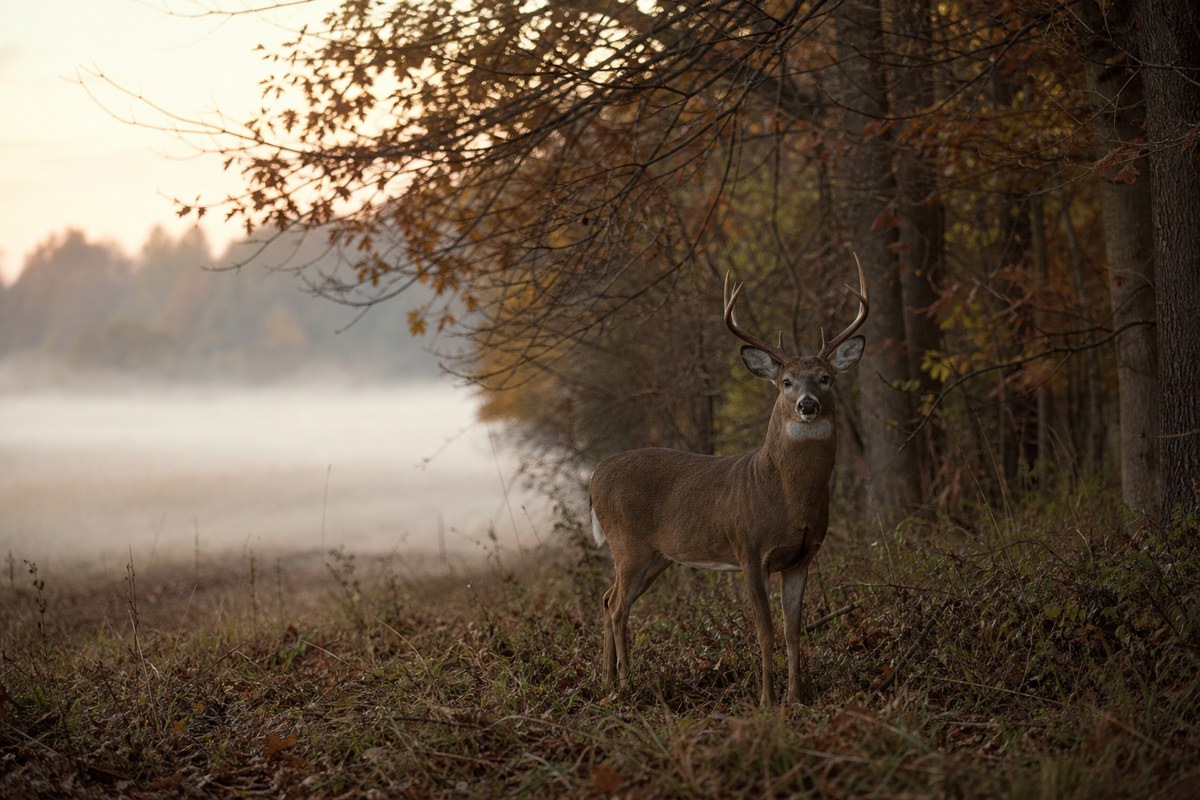
On this page
hunters picking stand sites on unfamiliar ground — public land or a new lease where you cannot afford to burn weekends guessing.
once the spot is chosen, protect it — see how to keep deer from smelling you.
Deer hunting success starts before opening day. Most missed shots are really missed scouting: you sat somewhere convenient instead of somewhere deer already travel. This guide walks through a practical process for finding a good deer hunting spot — maps, sign, terrain, wind, and stand trees — without the keyword fluff older versions of this page piled on.
Start scouting early (and keep it quiet)
Begin months before the season if you can. In many regions that means late winter through spring, when last year’s rubs, scrapes, and trails are still readable and leaves are down. You get a clear look at bedding thickets and travel corridors without stomping the same ground every weekend in October.
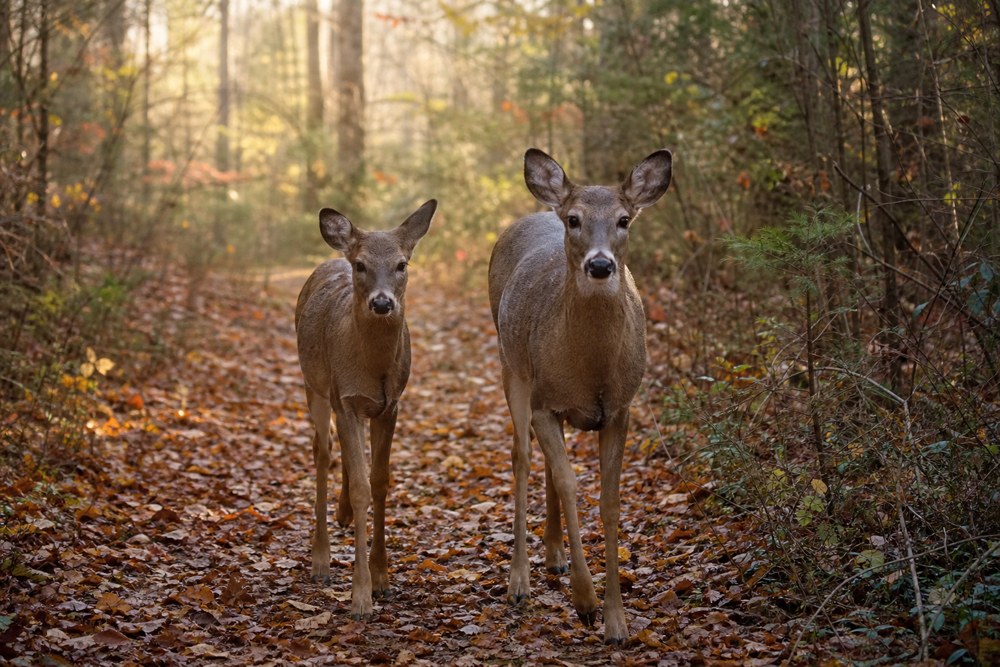
Scout at dawn and dusk when deer move, then leave. Repeated midday walks through the best cover teach deer that humans own the place. Take photos and pin locations on a map app so you are not re-walking the same ridge “just to check.”
Read deer sign before you hang a stand
Sign tells you whether a trail is active — not just old. Focus on a few reliable clues:
- Trails: Look for packed paths between thick cover and food. Follow from the side, not down the middle, so you leave less scent on the path deer use.
- Food: Crop edges, oak flats, soft mast, and green browse change by season. A trail that dead-ends at last year’s corn may be quiet once the field is bare.
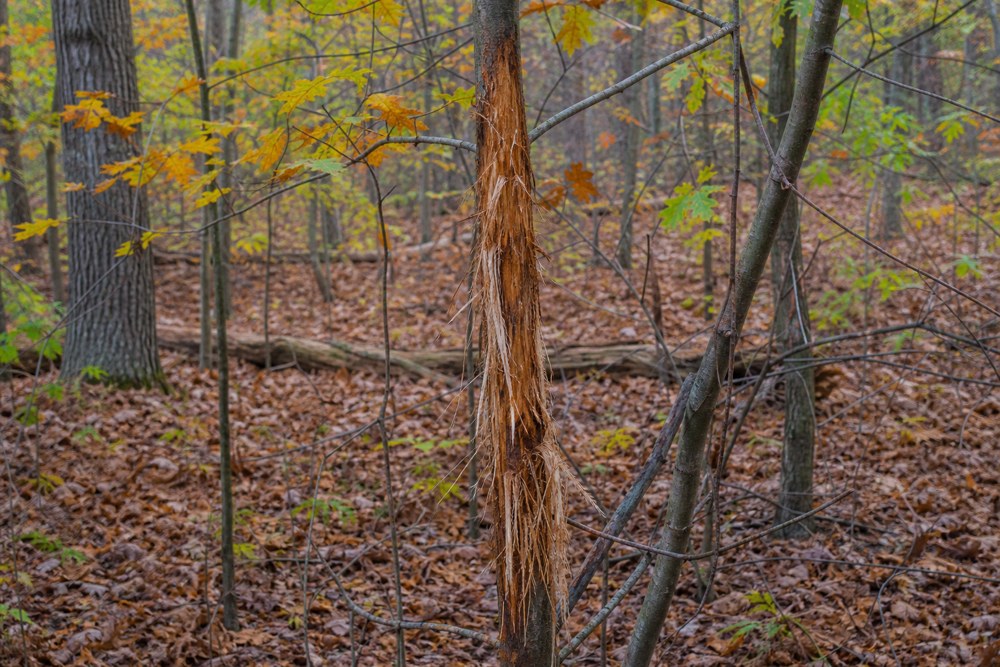
- Rubs: Fresh bark shreds on saplings mark buck travel. Rub lines along a ditch or saddle are more useful than a single isolated rub.
- Scrapes: Scrapes show communication and rut timing. Many get hit at night, so treat an active scrape as intel, not an automatic all-day sit.
- Tracks and droppings: Sharp, moist tracks beat old dusty prints. Large droppings near thick brush often mark bedding exits.
Stack clues. A trail plus fresh rubs plus a food source beats any one mark by itself.
Use maps before you walk
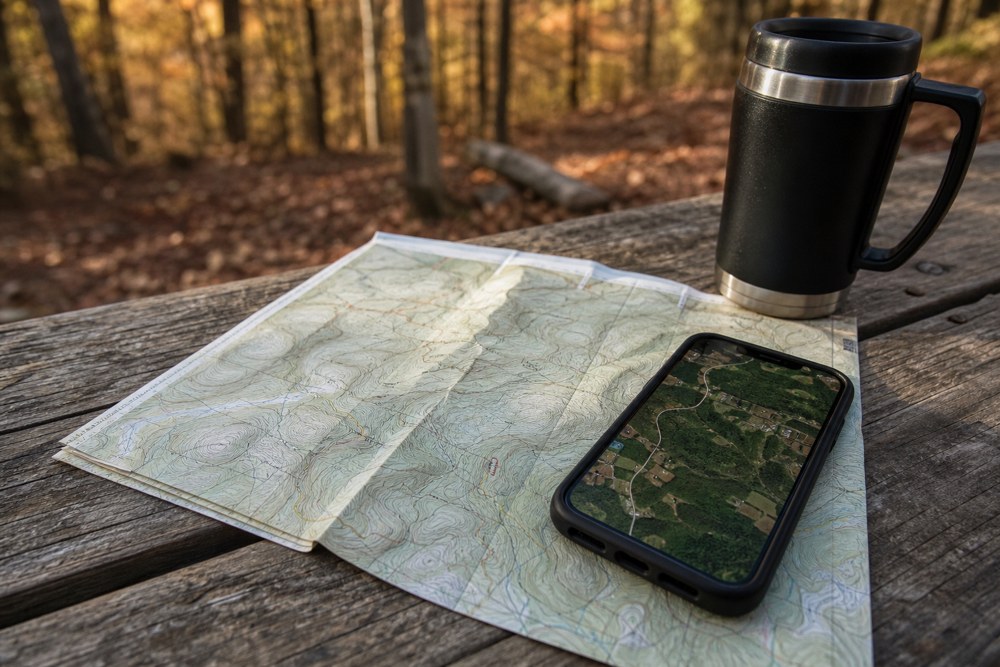
Public land and big private tracts both look endless until you shrink them on paper (or screen). Study topographic maps and satellite imagery for:
- Field edges and staging cover just inside the timber
- Saddles and benches that let deer cross ridges without sky-lining
- Hollows, ditches, and creek bottoms that funnel movement
- Power-line cuts and clearings that create shootable openings
- Access routes that keep you downwind and off the main deer paths
Mark two or three candidate spots, then confirm them on foot. Google Earth and state GIS layers help you see property lines and habitat change before you burn daylight.
Terrain features that concentrate deer
Deer prefer routes that feel safe and save energy. On ridges, look for natural saddles rather than the highest skyline. In hill country, hollows and gullies often connect bedding above with food below. In flatter country, ditches and low spots become the highway.
Openings such as power-line rights-of-way can feed deer and give rifle hunters a clear lane — but sit off the edge, not silhouetted in the middle. Bowhunters usually need a tighter funnel with a short shooting lane you can clear without making the woods look “landscaped.”
Pick a stand tree with wind and lanes in mind
Once the travel route is clear, choose a healthy tree that holds a stand securely and gives you a shot with minimal cutting. Clear only what you need for one or two quiet lanes. Big slash piles and obvious limb piles tip deer off that something changed.
Wind matters more than a perfect tree. If your scent blows into the bedding cover or across the trail, the spot fails no matter how good it looked on the map. Have a backup tree for a second wind direction. Pair this with solid scent habits — see our guide on keeping deer from smelling you.
Stay clear of poison ivy, unstable banks, and other hazards. A “hot” trail is useless if you cannot sit there safely for a few hours.
Ask locals — carefully
Farmers, landowners, and hunters who work the same ground often know which fields deer hit after work or which creek crossing stays active. Ask politely, share what you can, and do not broadcast a pin drop on social media. Good spots stay good when traffic stays low.
Simple scouting checklist
- Map 2–3 funnels between cover and food.
- Confirm fresh trails, rubs, or tracks on foot.
- Note prevailing winds for morning and evening sits.
- Hang or mark a stand with minimal cutting.
- Leave the area alone until you hunt it.
Final thoughts
Finding a good deer hunting spot is pattern recognition, not luck. Start early, trust fresh sign over wishful thinking, let terrain funnel the deer, and protect the wind. Do that consistently and opening day feels like a plan — not a guess.
Deer scouting FAQ
Related Guides


