
Scuba Diving Side Effects: What’s Normal, What Isn’t
Ear squeeze, narcosis, decompression risk, and cold — the symptoms divers actually encounter, and why symptoms need attention and prevention has limits.

On this page
- What is Scuba Diving?
- Common Side Effects of Scuba Diving
- Barotrauma and Decompression Sickness
- Hyperoxia and Oxygen Toxicity
- Cold Water Effects on the Body
- Environmental Effects and Conservation
- Precautions and Safety Guidelines
- Training and Certification
- Medical Considerations and Evaluations
- Equipment Maintenance and Inspection
- Conclusion
- Scuba side effects FAQ
new divers working out which symptoms are normal and which are warnings, and returning divers checking whether they are still fit to dive.
diving for a cause rather than a holiday? start with scuba volunteer work.
Scuba diving is a thrilling activity that provides a chance to explore the underwater world and witness marine life up close. However, it’s essential to be aware of the potential risks and side effects associated with this adventure sport. Scuba diving side effects can range from minor discomfort to life-threatening conditions, which is why it’s crucial to understand the potential dangers and take precautions to reduce the risks.
Use this guide to recognise concerns and know when to seek assessment. It does not diagnose symptoms or teach a dive procedure; training, screening and planning reduce some risks without guaranteeing a safe outcome.
What is Scuba Diving?
Scuba diving uses a self-contained breathing-gas supply underwater. Pressure, breathing gas, temperature, exertion and the environment create risks that differ from swimming at the surface.
Training and screening matter before entering the water. Open-water certification does not qualify a diver for every depth, overhead environment or gas mixture; wreck penetration and cave diving require additional specialist preparation. This article explains warning signs and limitations rather than teaching a dive procedure.
Common Side Effects of Scuba Diving
Scuba diving offers a unique and exhilarating experience, but it also carries potential risks. Divers should know the common side effects they may experience during or after a dive. The most frequent side effects include ear and sinus problems, muscular strain, and motion sickness.
Ear and Sinus Problems
Pressure changes can injure ears and sinuses, including in shallow water. Equalize gently as taught, never force through pain, and stop or end the dive according to your training if equalization is not working. Do not dive with congestion or symptoms that could impair safe equalization; seek diving-aware medical advice when needed.
Muscular Strain
Heavy equipment and strenuous swimming can cause fatigue or strain. Ask your instructor about suitable fit, trim, assistance with gear handling and a dive plan matched to your fitness; a wetsuit is not a general remedy for muscle strain.
Motion Sickness
Motion sickness and its treatments can affect dive safety. Ask a clinician familiar with diving about the underlying symptoms, medication, interactions and possible drowsiness; do not assume an over-the-counter product or patch is safe underwater.
| Common Side Effects | Prevention/Treatment |
|---|---|
| Ear and sinus problems | Equalize pressure regularly, stop descent, ascend slightly under control; abort if unable to equalize |
| Muscular strain | Appropriate gear fit, assistance with heavy equipment and a dive plan matched to fitness |
| Motion sickness | Seek diving-aware medical advice before medication use; drowsiness and other side effects can impair safe diving. |
Do not wait for symptoms to persist before seeking help. Concerning symptoms during or after a dive need prompt appropriate assessment; the next section explains pressure-related injury and decompression illness.
Barotrauma and Decompression Sickness
As divers descend deeper into the water, the pressure on their bodies increases. This pressure can cause barotrauma, which refers to damage to body tissues caused by the pressure differences inside and outside the body. The ear is particularly vulnerable to barotrauma, and divers may experience ear pain, hearing loss, or ruptured eardrums. Barotrauma can also affect the sinuses, teeth, and lungs.
Another potential risk of scuba diving is decompression sickness, also known as “the bends.” This occurs when nitrogen bubbles form in the bloodstream due to rapid decompression, leading to joint pain, skin rashes, and neurological symptoms. In severe cases, decompression sickness can be life-threatening.
Training, early gentle equalization, controlled ascents and an appropriate dive plan reduce risk but cannot guarantee prevention. Decompression sickness can occur even within accepted computer or table limits. Seek emergency medical assessment for suspected symptoms after a dive.
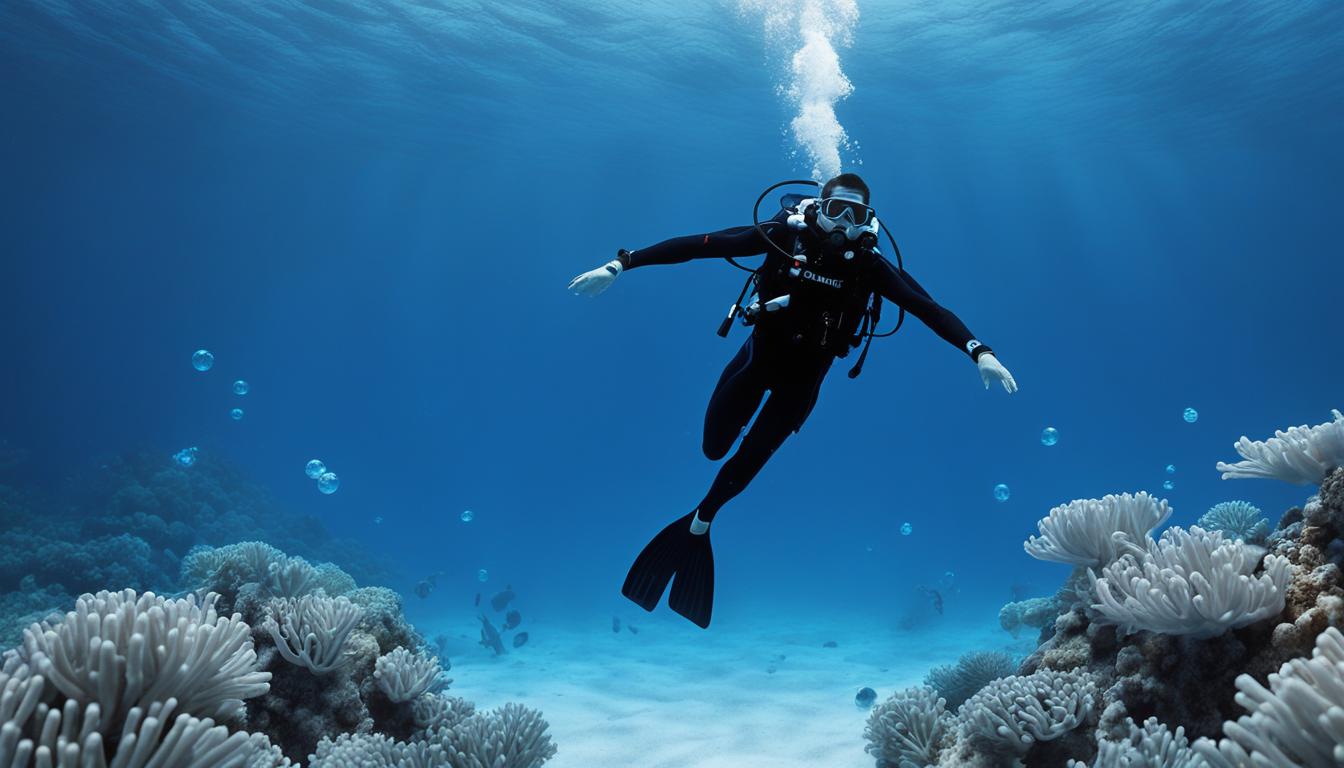
Narcosis can impair judgement, coordination and reactions at depth. Recognising and managing a problem requires training and a controlled response with the dive team; do not treat a sudden symptom as a diagnosis to test by continuing.
Hyperoxia and Oxygen Toxicity
Oxygen toxicity relates to oxygen exposure under pressure, including its partial pressure and duration. It is not simply a matter of breathing a mixture with more oxygen, and it is not limited to enriched-air diving.
Use only gases and dive profiles covered by your training. Follow the applicable depth and exposure limits, analyse and identify breathing gas as trained, and use the correct computer settings. An online article cannot set an individual gas plan or guarantee prevention. See Divers Alert Network’s oxygen-toxicity reference.
Cold Water Effects on the Body
Cold exposure can reduce comfort, hand function and judgement, and can progress to hypothermia. There is no single water-temperature threshold or suit thickness that makes every diver safe; duration, repeated dives, wind at the surface, fit and individual response matter.
Choose exposure protection with your instructor or dive operator for the actual conditions and your training. End the dive according to your training when cold is affecting you, get dry and sheltered on the surface, and obtain medical help for concerning symptoms. Warm drinks or a hood alone are not a prevention guarantee.
DAN — Avoid the Chill explains why the whole exposure plan matters.

Environmental Effects and Conservation
Follow the site’s conservation rules and avoid damaging wildlife or habitats. Environmental responsibility is separate from assessing a diver’s symptoms.
Use training appropriate to the site and maintain control of equipment. Do not let an environmental task delay responding to symptoms.
“We do not inherit the earth from our ancestors; we borrow it from our children.” – Native American Proverb
The Effects of Scuba Diving on the Environment
Scuba diving can have several ecological effects on the environment, including:
| Environmental Effects | Impact on Ecosystems |
|---|---|
| Physical Damage | Damage to coral reefs, underwater rock formations, and other habitats |
| Contamination | Pollution from oil spills, litter, and other debris |
| Disturbance | Disrupts marine life and habitats, disturbs sediments |
| Noise Pollution | Affects communication, migration, and breeding patterns of marine species |
For conservation-specific planning, use the related guide. This page’s priority is symptom awareness and prompt escalation.
Precautions and Safety Guidelines
Use the current medical screening process and obtain physician evaluation when indicated. Dive with suitable training, a buddy, appropriate equipment and an emergency plan; do not dive while ill or impaired.
Here are some safety guidelines to keep in mind:
- Be prepared and plan your dives.
- Attend scuba diving lessons by certified instructors.
- Use well-maintained and properly fitted scuba diving equipment that is appropriate for your level of experience.
- Ascend slowly and make safety stops in the appropriate depths and durations.
- Avoid consuming alcohol before diving.
- Get the necessary permits before diving in protected areas.
- Ensure that you carry a safety marker buoy to signal for help if needed.
The following measures support planning without guaranteeing prevention:
- Monitor your air supply at all times and respect the no-decompression limits.
- Stay within your training limits and expertise.
- Avoid diving in poor weather conditions.
- Stay hydrated and warm by wearing appropriate gear.
- Plan in advance for emergency situations and know the location of the nearest decompression chamber.
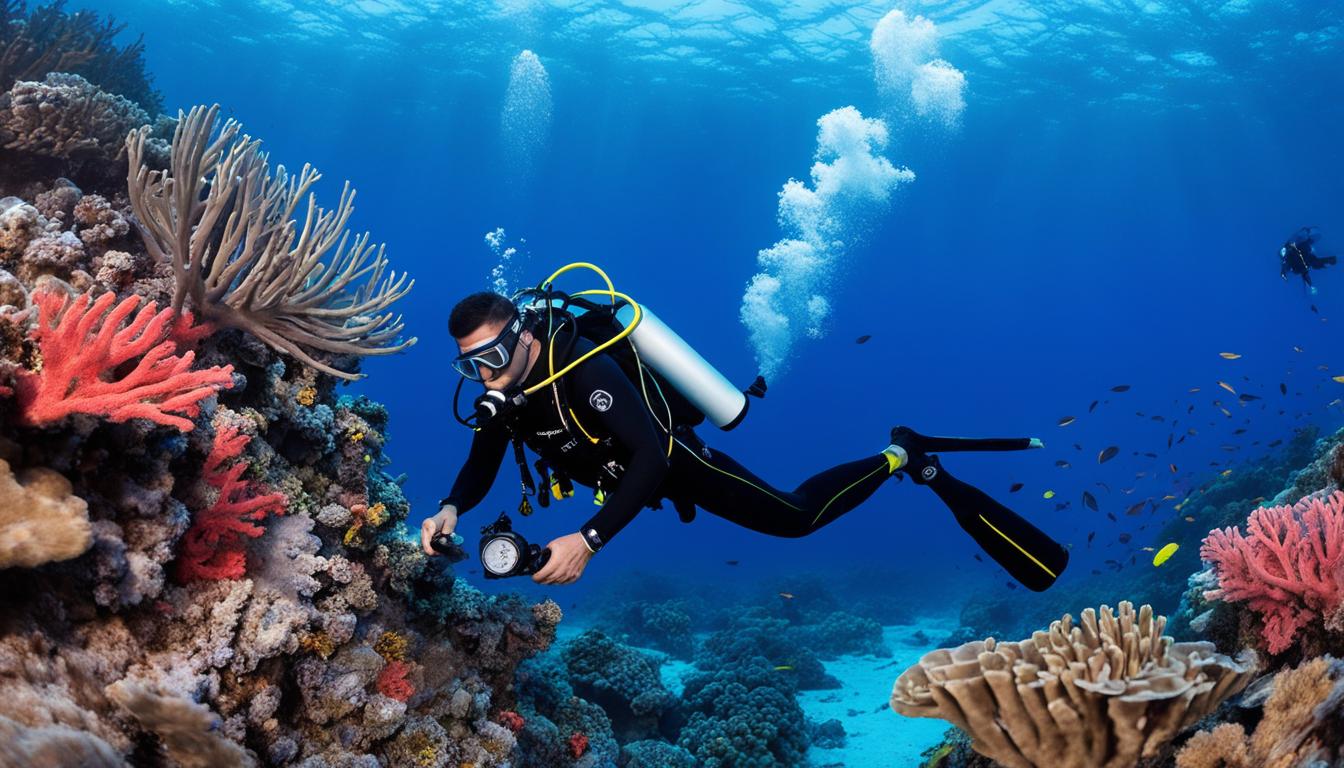
Follow the dive operator’s current illness policy and the equipment manufacturer’s cleaning instructions. Do not dive when illness or medication effects could impair safety.
Training and Certification
Scuba diving can be a thrilling and rewarding experience, but it also comes with risks. Proper training and certification are essential for safe scuba diving. It is highly recommended that individuals receive training from certified instructors and follow established safety guidelines.
Different organizations offer scuba diving training and certification programs, with varying requirements and curriculum. Common certification courses include Open Water Diver, Advanced Open Water Diver, and Rescue Diver. Some organizations also provide specialized training for technical diving, underwater photography, and other diving activities.
Choose training that covers the intended activity. Complete current medical screening and obtain physician assessment when indicated by that process, agency/local rules, health changes or medication concerns.
After completing a training program, individuals receive a certification card, which serves as proof of their knowledge and skills in scuba diving. Certification levels and requirements may vary by organization and location.
Medical Considerations and Evaluations
Complete the current Diver Medical Participant Questionnaire and follow its instructions, training-agency rules and local requirements. A physician’s evaluation is required when the screening or applicable rules call for it; health changes and medication concerns warrant reassessment.
A scuba diving medical evaluation typically involves a physical exam and a questionnaire to gather relevant health information. The evaluation may be conducted by a physician or a trained diving medical specialist. These practitioners will review the diver’s medical history and assess their current health status to determine if there are any medical conditions that may increase the risk of diving.
Screening and any indicated clinical evaluation assess fitness for the planned activity; neither guarantees prevention. Health or medication changes warrant reassessment before diving.
Medical screening can identify reasons for further assessment, but it cannot guarantee prevention of barotrauma, decompression illness or other dive injuries. Continue to follow training, conservative planning and symptom-escalation guidance.
Use the current medical screening process
If you have any medical concerns or conditions that might impact your fitness for diving, consult a healthcare provider before planning your scuba diving adventure.
Equipment Maintenance and Inspection
In scuba diving, equipment malfunctions can be life-threatening. Appropriate maintenance and inspection reduce equipment risks without guaranteeing a safe dive. To keep scuba diving equipment in good working condition, it is important to:
- Follow the manufacturer’s instructions for proper care and maintenance;
- Clean only as the exact component’s maker permits, including approved agents and protection for openings;
- Follow the specific rinsing, drying and storage instructions;
- Avoid exposing the gear to extreme temperatures or direct sunlight;
- Store the gear in a dry, cool, and well-ventilated place;
- Regularly inspect the gear for damage, such as cracks, tears, or corrosion;
- Have damaged equipment assessed and serviced by an appropriately qualified technician as required;
- Keep a record of all maintenance and inspection activities.
Follow each equipment maker’s service schedule, inspection criteria and authorised-technician requirements. Owner cleaning is separate from qualified servicing; do not apply one annual interval or detergent to every regulator or component.
By taking proper care of scuba diving equipment, divers can enjoy safer, more comfortable, and more enjoyable underwater adventures.
Conclusion
Scuba diving can be an exhilarating and rewarding experience, but it is not without risks and potential side effects. As highlighted in this article, divers may encounter a wide range of physical, environmental, and equipment-related hazards that can lead to injury or illness.
Training, appropriate screening, suitable equipment and conservative planning reduce some risks, but cannot ensure a safe dive. Concerning symptoms need prompt assessment even after an apparently uneventful dive.
It is essential to approach scuba diving with informed decision-making, a thorough understanding of the potential risks, and a commitment to safe practices. By doing so, divers can fully embrace the excitement and wonder of underwater exploration while prioritizing their personal safety and wellbeing.
Returning and experienced divers should reassess training, fitness, health changes and equipment for the actual plan. Confidence or previous uneventful dives do not rule out a new problem.
Use the symptom and emergency guidance above, then follow the dive team and medical professionals’ directions. Do not dismiss symptoms as a routine price of diving.
UHMS: current recreational diving medical screening system distinguishes the participant questionnaire and indicated physician evaluation.
Sources and further reading
- Divers Alert Network — Decompression Sickness (dive medical reference)
- Divers Alert Network — Ear Equalization Guidelines for Scuba Divers
- DAN World — Emergency Assistance (24/7 diver medical line)
Scuba side effects FAQ
Related Guides


