

Best Rechargeable Camping Lanterns in 2026 (Researched & Compared)
Quick answer: compare runtime at your intended brightness, supported charging modes and backup needs. Solar and hand-crank options depend on conditions and the exact model; they are not unlimited emergency power or a guarantee that a cable is unnecessary.
Below are five lanterns across camps and budgets — the USB power-bank standard, the ambient-color pick, the hand-crank power hub, the inflatable solar lantern, and the budget 1000-lumen workhorse — plus the lumen honesty and run-time notes that decide whether the lantern lasts the whole trip or dies at the marshmallows.
Start here — pick your lantern
Comparison criteria
Qualitative comparison; supporting evaluation records for numeric ratings were not established.
How we ranked these
Compare documented brightness modes, runtime, power options and ingress ratings. No field runtime or drop testing is established by this qualitative comparison.
Which lantern for your trip?
Light plus USB
The lantern doubles as the phone’s power bank.
Fire-colored glow
Warm color modes turn the picnic table into a living room.
Crank never dies
Hand-crank top-up plus USB hub for storm kits.
Flat in the pack
Use solar charging only within the exact model’s temperature and placement limits. Vehicle dashboards can overheat; sunshine does not establish a safe charging location or a full recharge.
Lumen & Runtime Notes — The Honest Math
- Lumens, honestly: 100–250 lumens covers tent and table tasks; 500+ belongs to burst modes for cooking areas and group gatherings. Dimming matters more than peak output — a lantern that only runs full blast blinds the table and drains the battery.
- Run-time is the trip-length spec: check the run-time at a usable mid setting, not the low-mode marathon or the high-mode sprint. A weekend lantern needs 6+ hours at tent brightness between charges.
- USB output does not establish simultaneous input/output pass-through. Confirm the exact lantern’s supported charging modes and reserve enough energy for lighting; charging another device reduces available runtime.
- Rechargeable vs AA strategy: rechargeable wins lifetime cost for regular campers; dual-power models with AA backup earn their place in emergency kits. The honest emergency play is a crank or solar top-up, not a drawer of batteries.
- Lantern plus headlamp, not either: lanterns light shared spaces; a headlamp handles trail walks, tent setup, and midnight bathroom runs. The two are a pair, not competitors.
Camp notes that matter
- Warm light modes preserve night vision at the fire — save the cold white for finding things in the gear box.
- Follow the exact lantern’s operating, storage and charging temperature limits. Do not charge it inside bedding or assume warming restores full capacity. Keep it dry and protected from damage, and carry an independent light rather than relying on a guaranteed cold-weather restart.
- Hang lanterns high and diffuse — a lantern on the table casts everyone’s shadow onto everything; hung from a ridge line it lights the whole site.
- Use solar charging only within the exact model’s temperature and placement limits. Vehicle dashboards can overheat; sunshine does not establish a safe charging location or a full recharge.
Compare the actual model, brightness mode and reserve-power plan.
Camp lantern — decision rules
- Choose the Black Diamond Apollo for the all-round USB standard that lights the table and charges the phone.
- Choose the BioLite AlpenGlow 500 when evening ambiance is the point of the lantern.
- Choose the Goal Zero Lighthouse 600 for crank insurance and the emergency power-hub role.
- Choose the MPOWERD Luci for backpackable solar light that packs to the size of a notebook.
- Choose the LE Rechargeable Lantern for maximum lumens per dollar in the budget tier.
What to Look For — Buyer’s Guide
Match the lantern to your trip length and power access — runtime at usable brightness is the spec that matters.
Key Factors at a Glance
100–250 lumens for tents and tables; 500+ for cook zones and group sites. Weight the dimmer over the ceiling — usable range is what gets used.
USB-C in, USB out, crank, and solar are four different insurance policies. Car campers need USB in/out; remote-trip campers want solar or crank top-ups.
IPX4 describes splash resistance, not immersion or guaranteed storm operation. Follow actual ingress, charging and handling limits; no comparative drop test is established.
Inflatables pack to notebook size; hard-body lanterns take shelf space but survive abuse. Match the lantern’s home to how the pack is loaded.
The 5 Lanterns That Light the Camp
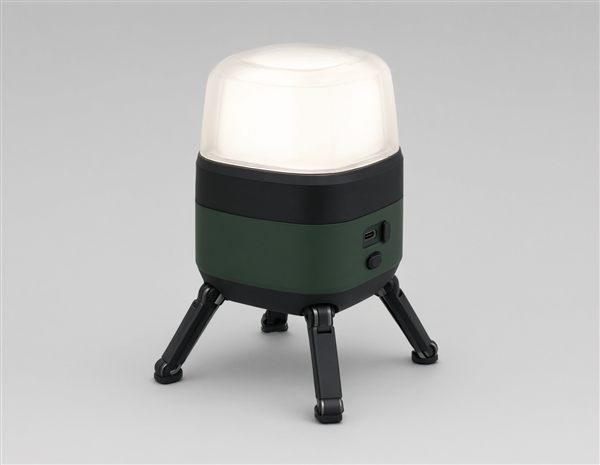
Black Diamond Apollo Rechargeable Lantern
| Output | 250 lumens maximum |
|---|---|
| Battery | Internal rechargeable or 3 AA; USB out |
| Stand | Folding legs |
| Extras | Dimming and hanging hooks |
Buy this if
- 250 lumens maximum suits your actual setup
Skip if
- The exact version or required compatibility is unconfirmed
Pros
- Internal rechargeable or 3 AA; USB out
Cons
- Dimming and hanging hooks
Complete the kit
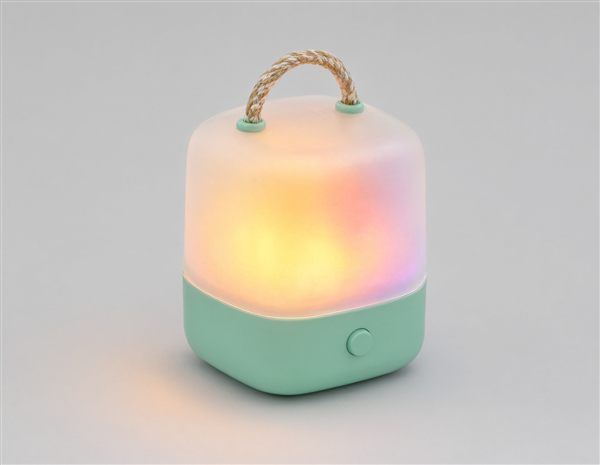
BioLite AlpenGlow 500 Lantern
| Output | 500 lumens maximum |
|---|---|
| Modes | Warm/cool/color; select actual BioLite model |
| Weather | IPX4 splash rating; not submersible |
| Extras | 6400 mAh maker specification |
Buy this if
- 500 lumens maximum suits your actual setup
Skip if
- The exact version or required compatibility is unconfirmed
Pros
- Warm/cool/color; select actual BioLite model
Cons
- 6400 mAh maker specification
Complete the kit
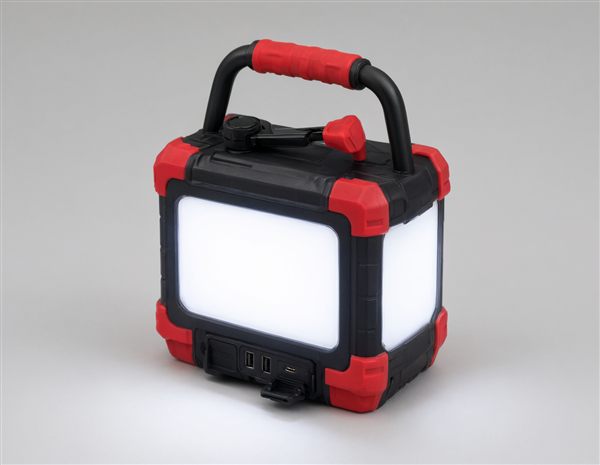
Goal Zero Lighthouse 600 Lantern & Power Hub
| Output | Up to 600 lumens |
|---|---|
| Recharge | USB; conditional low-light hand crank |
| Charge out | USB; consumes lighting energy |
| Role | Separate reserve plan for emergency use |
Buy this if
- Up to 600 lumens suits your actual setup
Skip if
- The exact version or required compatibility is unconfirmed
Pros
- USB; conditional low-light hand crank
Cons
- Separate reserve plan for emergency use
Complete the kit
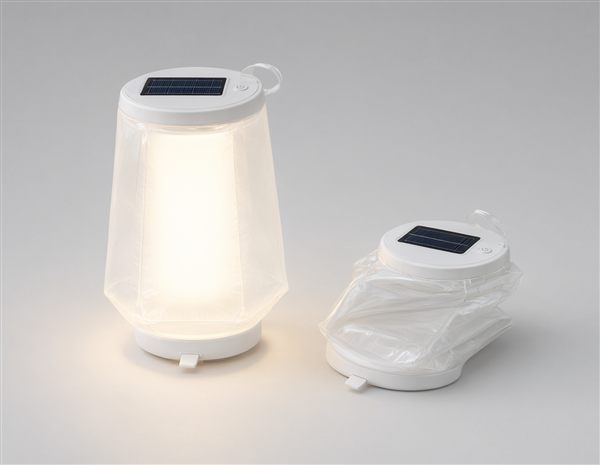
MPOWERD Luci Original Solar Inflatable Lantern
| Output | 65 lumens maximum |
|---|---|
| Recharge | Solar + USB-C; conditions apply |
| Packed | Inflatable; verify actual packed dimensions |
| Weather | Listed IP67; follow actual limits |
Buy this if
- 65 lumens maximum suits your actual setup
Skip if
- The exact version or required compatibility is unconfirmed
Pros
- Solar + USB-C; conditions apply
Cons
- Listed IP67; follow actual limits
Complete the kit
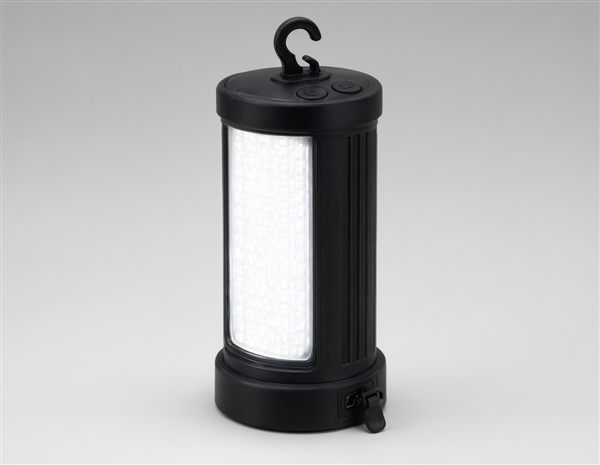
LE Rechargeable LED Camping Lantern (1000 lm)
| Output | Select actual LE1000-lumen model |
|---|---|
| Recharge | Verify rechargeable version; not D-cell assumption |
| Mount | Confirm supplied hanging arrangement |
| Best for | Model-specific output/runtime comparison |
Buy this if
- Select actual LE1000-lumen model suits your actual setup
Skip if
- The exact version or required compatibility is unconfirmed
Pros
- Verify rechargeable version; not D-cell assumption
Cons
- Model-specific output/runtime comparison
Complete the kit
Manufacturer cross-check, 22 October 2026: AlpenGlow 500 · Lighthouse 600
Full Comparison Table
| Product | Power | Best For | Buy |
|---|---|---|---|
| Black Diamond Apollo Rechargeable Lantern | 250 lumens maximum | Dimming and hanging hooks | Amazon → |
| BioLite AlpenGlow 500 Lantern | 500 lumens maximum | 6400 mAh maker specification | Amazon → |
| Goal Zero Lighthouse 600 Lantern & Power Hub | Up to 600 lumens | Separate reserve plan for emergency use | Amazon → |
| MPOWERD Luci Original Solar Inflatable Lantern | 65 lumens maximum | Listed IP67; follow actual limits | Amazon → |
| LE Rechargeable LED Camping Lantern (1000 lm) | Select actual LE1000-lumen model | Model-specific output/runtime comparison | Amazon → |
Common mistakes
- Buying on peak lumens alone — a 1000-lumen ceiling that runs 90 minutes is worse at camp than a 250-lumen lantern that runs 20 hours; dimming range and run-time at usable brightness are the specs that decide the trip.
- No recharging plan for the trip length — a USB-only lantern on a five-night trip without a power bank dies mid-trip; pair USB lanterns with a bank, or carry crank/solar top-ups for remote camps.
- Follow the exact lantern’s operating, storage and charging temperature limits. Do not charge it inside bedding or assume warming restores full capacity. Keep it dry and protected from damage, and carry an independent light rather than relying on a guaranteed cold-weather restart.
- Lantern on the table, shadows everywhere — a table-level light casts everyone’s shadow across the cook zone; hang it from a ridge line or lantern hook and the whole site lights evenly.
- Skipping the headlamp — lanterns light shared space, not walks; trail use and midnight runs want a headlamp. The pairing is the plan, not an either/or.
Frequently Asked Questions
How many lumens do I need for a camping lantern?
Rechargeable or AA battery lanterns?
How long should a camping lantern run?
Can a camping lantern charge my phone?
Should I also pack a headlamp?
Related Guides


