
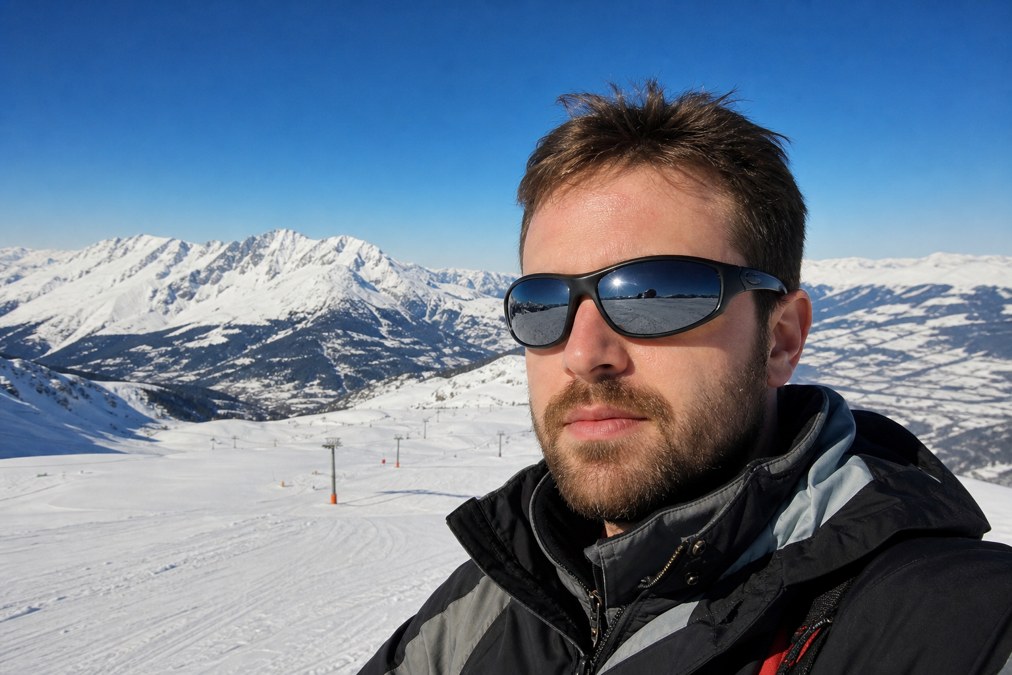
10 Best Sunglasses for Snow Glare in 2026 (Researched & Compared)
Snow reflects up to 80% of UV radiation — nearly double what water does. The right ski sunglasses are the difference between a great day on the mountain and snow blindness. Here are the 10 best for 2026, with a complete buyer’s guide covering VLT, polarized vs photochromic, lens tints, and more.
Below are the 10 best sunglasses for snow glare in 2026 — ranked for VLT fit, coverage, and lens tech using published specs and owner-review patterns.
Start here — pick your snow job
Scoring rubric (weights)
Scores use published VLT/lens specs, coverage design, and owner-review patterns — not invented multi-week field tests.
How we ranked these
We compared published VLT categories, lens tech (Prizm / ChromaPop / polarized / photochromic), side-shield coverage, cold-weather frame materials, and consistent owner-review patterns for snow sports. Rankings reflect buyer jobs (resort vs glacier vs budget backup) — not claimed multi-week on-snow field diaries.
Which sunglasses for your day?
Sunny groomers + village
Category 3 contrast lenses beat fashion shades. Helmet fit matters more than glacier darkness.
Alpine / glacier glare
Side shields and darker VLT block reflected UV from snowfields. Category 4 is for high glaciers — not for driving.
Trees to open bowls
Photochromic saves lens swaps when shade and sun keep flipping.
Beginner or travel backup
Polarized wrap coverage under $40 beats a scratched $200 pair left at home.
Oakley Sutro vs Smith Wildcat
Oakley Sutro
- Best everyday + resort balance
- Prizm Snow contrast
- Slimmer off-snow wearability
- No spare clear lens in base kit
- Top overall pick
Smith Wildcat
- Larger coverage / wind block
- ChromaPop contrast
- Clear spare lens included
- Bulkier everyday profile
- Best when coverage is the job
Lens notes (category benchmarks)
- Category 4 (3–8% VLT) is for high glare / glaciers — illegal or unsafe for driving.
- Polarized lenses cut spring glare but can mask ice patches at speed; many ski prefer non-polarized contrast (Prizm / ChromaPop) for hardpack.
- UV400 is the baseline on snow — tint darkness alone is not UV protection.
- Side shields matter most on open snowfields and high ridges, not every groomer day.
Product photos are on each card below — self-hosted on OutdoorsPapa (no duplicate URLs in this strip).
Decision rules
- Choose Sutro for the best all-around resort + everyday snow pair.
- Choose Wildcat or POC Devour when coverage / shields beat slim styling.
- Choose Vermont or Camino for Category 4 glacier darkness with side shields.
- Choose Tifosi if light keeps changing and you refuse lens swaps.
- Choose Goodr for a polarized backup under $40 — not a Prizm substitute.
- Skip acetate lifestyle frames for serious alpine cold (see Predator caveats).
Why Snow Sunglasses Matter
Snow reflects up to 80% of UV — nearly double water and far more than dry ground. At altitude, UV climbs roughly 10–12% per 1,000 metres. Fashion shades leave side gaps; the wrong VLT leaves you squinting or under-protected.
Snow blindness (photokeratitis) is a real cornea burn from reflected UV. Category 3 contrast lenses handle most resort bluebird days; glacier shields and Category 4 glass belong above treeline. Match coverage and VLT to the job instead of buying the darkest pair on the shelf.
What to Look For — Buyer’s Guide
Match each category to your trip length and climate — one proven pick per slot beats buying overlapping gear twice.
Key Factors at a Glance
Bright snow days want Category 3 (8–18% VLT). High glaciers need Category 4 (3–8%). Photochromic spans mixed light without swapping lenses.
Prizm / ChromaPop boost snow contrast without polarization. Polarized cuts spring glare but can hide ice at speed — know the tradeoff.
Wrap shields and side panels block reflected UV from the sides and below — critical above treeline and on open snowfields.
TR90, Grilamid, or O Matter stay flexible in freeze. Acetate can get brittle in deep cold — fine for apres, weaker for serious alpine days.
The 10 Best Sunglasses for Snow Glare in 2026
(not Amazon stars)
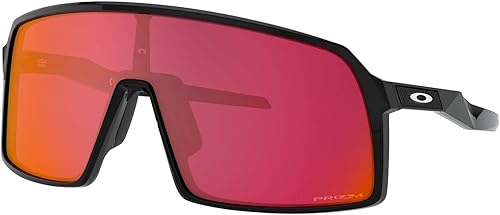
Oakley Sutro
| VLT | 10% (Cat. 3) |
|---|---|
| Lens | Prizm Snow |
| Frame | O Matter nylon |
| Best for | Resort all-round |
Buy this if
- Want one pair for resort bluebird and village days
- Prefer contrast lenses over polarization
- Need helmet-friendly wrap coverage
Skip if
- Need Category 4 glacier darkness
- Budget under ~$100
- Require removable side shields
The Oakley Sutro tops our best ski sunglasses for snow glare list in 2026, sitting at #1 in multiple expert roundups including The Inertia’s latest picks. The large single-lens shield delivers exceptional coverage with minimal frame interrupting your field of view. Oakley’s Prizm Snow lens technology is tuned specifically for the mountain — boosting the reds and greens that help you read snow texture, shadow lines, and terrain changes. At 10% VLT, the Sutro lands squarely in the Category 3 sweet spot for bright sunny ski days. The O Matter frame stays flexible in freezing temperatures. The Unobtainium nose and ear pads grip harder as they get wet — genuinely useful when sweating on a spring skin track. It also sits cleanly under a ski helmet. Practical and sharp-looking at the same time. The only real drawback is the premium price. If the large single lens gets scratched, you’re replacing the whole thing. But for an everyday snow sunglass, nothing beats it in 2026.
Pros
- Prizm Snow — strong terrain contrast
- Large wraparound coverage blocks side glare
- O Matter frame stays flexible in cold
- Helmet-compatible wrap design
- Unobtainium grips better when wet
Cons
- Premium price point
- Single lens replacement is costly
- Not polarized — some buyers expect this
Complete the kit
(not Amazon stars)
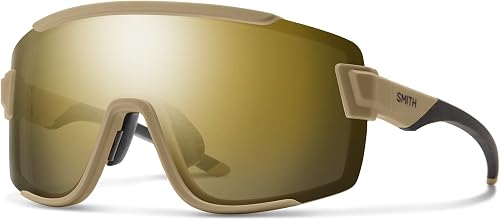
Smith Wildcat
| VLT | 13% (Cat. 3) |
|---|---|
| Lens | ChromaPop |
| Spare | Clear lens included |
| Best for | Helmet / wind coverage |
Buy this if
- Want max coverage under a helmet
- Spring touring / windy ridgelines
- Like a clear spare for low light
Skip if
- Want a slim everyday frame
- Need Category 4 glacier VLT
- Prefer lifestyle styling off-snow
The Smith Wildcat has been TheSnowChasers’ top ski sunglasses pick for 2025–26 — and it’s easy to see why. The frame coverage is large enough to block wind and side glare without crossing into goggle territory. Smith’s ChromaPop lens technology is one of the best contrast-enhancement systems for snow, making terrain features pop in a way that standard tinted lenses simply don’t match. The ChromaPop Sun Black 13% VLT lens handles morning groomers through spring slush without complaint. A clear spare lens is included so you have a low-light option without buying extras. The frame sits solidly under a helmet and the TR90 nylon holds up through hard use.
Pros
- ChromaPop — excellent snow contrast
- Large coverage blocks wind and side glare
- Clear spare lens included
- Photochromic option available
Cons
- Bulky profile — not for everyday wear
- Arms can scratch lens interior when folded
Complete the kit
(not Amazon stars)
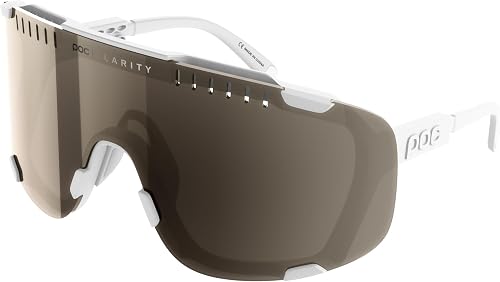
POC Devour Glacial
| VLT | 12% (Cat. 3) |
|---|---|
| Shields | Brow + side |
| Includes | Clear lens + case |
| Best for | Alpine / touring |
Buy this if
- Ski touring / alpine above treeline
- Want brow + side shield coverage
- Need a clear spare in the same system
Skip if
- Budget mid-range glacier (see Julbo Camino)
- Want photochromic auto-tint
- Prefer a light everyday frame
Men’s Journal named it the best premium snow sunglass for both 2025 and 2026. The POC Devour Glacial is the most serious snow protection in this roundup. The extra-large lens gives you a wider field of view than most ski sunglasses. The brow shield cuts overhead sun. The side shields block lateral reflected glare — the kind that catches you on long open descents above treeline. The mirrored dark lens shuts down UV on bluebird alpine days. The clear lens included makes it a solid two-condition system. The Grilamid frame breathes far better than goggles — crucial for spring touring when fogging is a real problem.
Pros
- Brow + side shields — max UV coverage
- Extra-large lens field of view
- Better airflow than goggles in warm spring
- Clear lens included for low light
Cons
- No photochromic option
- Expensive
- Heavier on long days
Complete the kit
(not Amazon stars)
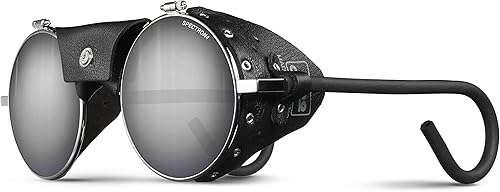
Julbo Vermont Classic
| VLT | 5% (Cat. 4) |
|---|---|
| Lens | Spectron 4 |
| Shields | Leather — removable |
| Best for | High-altitude glacier |
Buy this if
- High glacier / snowfield days
- Want removable leather side shields
- Need darkest consumer VLT in this roundup
Skip if
- Mixed overcast resort days
- Want modern shield styling
- Need to drive with them on (Cat. 4 = no)
The Julbo Vermont Classic is a legend in alpine circles. This design has been protecting mountaineers’ eyes on glaciers, high passes, and Himalayan expeditions for decades. The Spectron 4 lens at just 5% VLT is one of the darkest in any consumer sunglass — blocking the intense reflective radiation at high altitude that causes snow blindness fast, often before you notice it happening. The removable leather side shields block angled reflected UV from below and the sides on snowfields. Remove them for descents into the trees; clip them back on above the snowline.
Pros
- Category 4 Spectron — max UV blocking
- Removable leather side shields
- Decades-proven glacier design
- Lightweight and packable
Cons
- Too dark for overcast days
- Retro styling not for everyone
Complete the kit
(not Amazon stars)
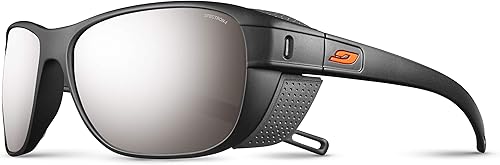
Julbo Camino Glacier
| VLT | 8% (Cat. 4) |
|---|---|
| Lens | Spectron 4 |
| Shields | Removable |
| Best for | Budget glacier |
Buy this if
- Tour above treeline on a mid budget
- Want removable side shields
- Need Cat. 4 without premium alpine markup
Skip if
- Want lifestyle styling
- Need photochromic range
- Prefer largest shield FOV (see POC Devour)
The Julbo Camino offers glacier-level protection at a mid-range price — the ideal step-up for anyone who skis above treeline or tours in big open terrain. The Spectron 4 lens cuts glare even in full alpine sun, and the removable side shields add real protection without blocking peripheral vision.
Pros
- Glacier protection at mid-range price
- Side shields pop on and off easily
- Spectron 4 cuts full-sun alpine glare
Cons
- Limited lens tint options
- Looks utilitarian rather than stylish
Complete the kit
(not Amazon stars)
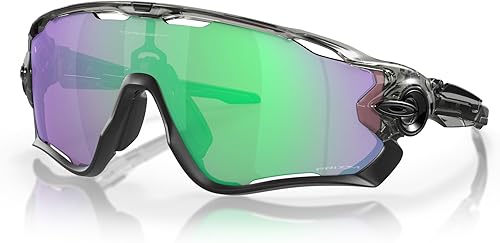
Oakley Jawbreaker Prizm Snow
| VLT | 9% (Cat. 3) |
|---|---|
| Lens | Prizm Snow |
| System | Interchangeable |
| Best for | Bluebird resort |
Buy this if
- Bright sunny resort days are the main job
- Want interchangeable Prizm lenses
- Already like Oakley fit / Unobtainium
Skip if
- Want one cheap fixed lens
- Need glacier side shields
- Prefer a lighter lifestyle frame
The Oakley Jawbreaker is the interchangeable-lens ski sunglasses for riders who want flexibility without buying multiple pairs. Prizm Snow lenses boost contrast on the mountain exceptionally — the Sapphire and Black Iridium variants are both standouts. At 9% VLT it handles bright sunny resort days with ease, and swapping to a low-light lens is quick and genuinely useful.
Pros
- Interchangeable lens system
- Prizm Snow — strong terrain contrast
- Large coverage frame
- Multiple Prizm lens options
Cons
- Expensive frame + expensive extra lenses
- Bulky for everyday wear
Complete the kit
(not Amazon stars)
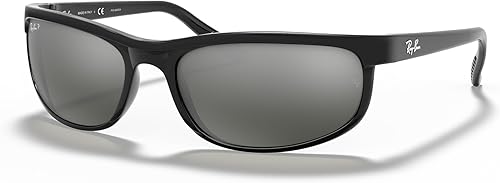
Ray-Ban Predator 2 Polarized
| Lens | Polarized glass G-15 |
|---|---|
| Frame | Acetate |
| UV | 100% |
| Best for | Apres / lifestyle |
Buy this if
- Village days, easy groomers, snowy drives
- Want classic polarized styling
- Need prescription-friendly options
Skip if
- Serious backcountry / glacier days
- Need wrap coverage under a helmet
- Deep cold where acetate gets brittle
The Ray-Ban Predator 2 Polarized is the best lifestyle pick here — classic styling that looks as good in the mountain village as it does on a casual groomer. Glass lenses are naturally scratch-resistant and optically excellent. Polarized grey tint cuts glare on easy snow days and while driving on snowy roads. Acetate frames can get more brittle below −10°C, so these aren’t for serious backcountry use — but for moderate resort days and apres, they are timeless.
Pros
- Glass lenses — optically excellent
- 100% UV polarized protection
- Classic Ray-Ban styling
- Available in prescription
Cons
- Acetate frame less ideal in extreme cold
- Limited coverage vs sport designs
Complete the kit
(not Amazon stars)
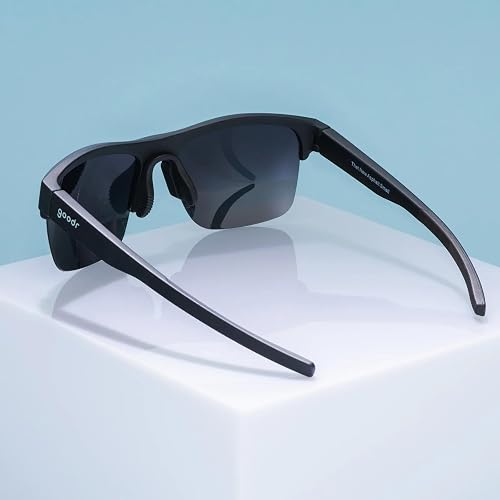
Goodr Wrap G
| Price | ~$35 |
|---|---|
| Lens | Polarized shield |
| Grip | Rubber pads |
| Best for | Budget / backup |
Buy this if
- Want polarized snow coverage under $40
- Need a disposable backup for travel
- Beginner / occasional skier
Skip if
- Want Prizm / ChromaPop contrast
- Need glacier side shields
- Expect premium scratch resistance
At ~$35 polarized, the Goodr Wrap G is one of the best value ski sunglasses you can buy right now. The Inertia named it their top budget pick for 2025–26. The wraparound shield gives real snow coverage. Rubberised nose and temple pads keep it locked in place. Build quality reviews consistently rate these firmer than the price suggests for a backup or beginner pair. The lenses lack the snow-specific contrast enhancement of higher-end Prizm or ChromaPop options, but for beginners, occasional skiers, or anyone who wants a reliable backup pair, the Goodr Wrap G is the obvious recommendation.
Pros
- ~$35 — outstanding value
- Polarized shield lens
- Rubber nose + temple grip
- Wide colour / style selection
Cons
- No snow-specific contrast lens tech
- Lens coating scratches if rough
Complete the kit
(not Amazon stars)
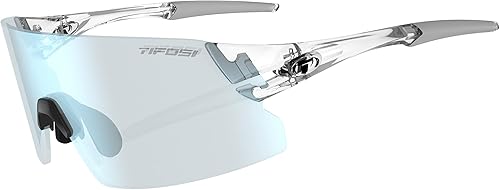
Tifosi Rail Fototec
| VLT | 14–64% photochromic |
|---|---|
| Weight | ~28g |
| Price | Under $100 |
| Best for | Variable light |
Buy this if
- Variable light — trees to open bowls
- Want photochromic without Julbo prices
- Prefer a light low-bulk frame
Skip if
- Need max wrap / side-shield coverage
- Want darkest Cat. 4 glacier glass
- Prefer fixed high-contrast Prizm
For skiers dealing with variable light — morning shade sliding into midday sun, blasting through trees into open bowls — a photochromic lens is a real performance advantage. The Tifosi Rail Fototec is the best budget photochromic ski sunglasses on the market right now. It shifts from 14% VLT in bright sun to 64% in low light automatically. No swapping lenses, no fumbling at the trailhead. At under $100 it is a fraction of the price of premium photochromic options from Julbo or Oakley.
Pros
- Auto-adjusting photochromic 14–64% VLT
- Very lightweight (~28g)
- Under $100
- Fast lens transition speed
Cons
- Does not go fully clear (64% max)
- Less coverage than shield styles
Complete the kit
(not Amazon stars)
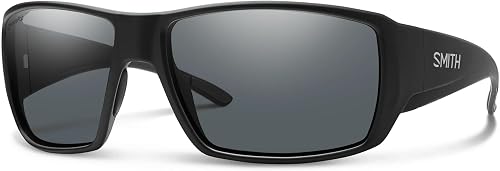
Smith Guide’s Choice
| Lens | ChromaPop+ polarized |
|---|---|
| Style | Classic frame |
| UV | UV400 |
| Best for | Backcountry touring |
Buy this if
- Backcountry touring with polarized preference
- Want classic frame over full shield
- Value ChromaPop+ contrast on snow
Skip if
- Need max side-shield glacier coverage
- Prefer non-polarized contrast (ice visibility)
- Want a budget polarized (see Goodr)
The Smith Guide’s Choice is the pick for backcountry ski tourers who want a traditional frame with ChromaPop+ performance. ChromaPop+ cuts snow glare while keeping excellent depth perception — critical when reading snow texture and evaluating terrain on a backcountry tour.
Pros
- ChromaPop+ polarized — strong snow contrast
- Classic frame for touring days
- Good depth perception for terrain reading
Cons
- Less frame coverage than shield styles
- Premium price
Complete the kit
Full Comparison Table
| Product | Best For | VLT / Lens | Price | Buy |
|---|---|---|---|---|
| Oakley Sutro | Resort + everyday | 10% / Prizm | $$$ | Amazon → (paid link) |
| Smith Wildcat | Helmet / wind | 13% / ChromaPop | $$$ | Amazon → (paid link) |
| POC Devour Glacial | Glacier / alpine | 12% / Mirrored | $$$$ | Amazon → (paid link) |
| Julbo Vermont Classic | High altitude glacier | 5% / Cat.4 | $$ | Amazon → (paid link) |
| Julbo Camino Glacier | Budget glacier | 8% / Cat.4 | $$ | Amazon → (paid link) |
| Oakley Jawbreaker Prizm Snow | Bluebird resort days | 9% / Prizm | $$$$ | Amazon → (paid link) |
| Ray-Ban Predator 2 Polarized | Apres-ski / lifestyle | Polarized / G-15 | $$ | Amazon → (paid link) |
| Goodr Wrap G | Beginners / backup | Polarized | $ | Amazon → (paid link) |
| Tifosi Rail Fototec | Variable light | 14–64% / Photochromic | $$ | Amazon → (paid link) |
| Smith Guide’s Choice | Backcountry touring | Polarized / ChromaPop+ | $$$ | Amazon → (paid link) |
Common mistakes
- Buying the darkest lens for every day — Category 4 is overkill for overcast resorts and unsafe for driving. Match VLT to the job.
- Assuming polarized is always safer — Polarization can hide ice. Contrast lenses often read terrain better at speed.
- Using fashion sunglasses on open snowfields — Side gaps let reflected UV in. Wrap coverage or shields matter above treeline.
- Skipping UV400 because the tint looks dark — Dark tint ≠ UV block. UV400 is the non-negotiable baseline on snow.
- Only packing one pair with no backup — Fog, scratches, or a lost pair end the day. A cheap polarized wrap is cheap insurance.
Frequently Asked Questions
What sunglasses are best for snow glare?
Should ski sunglasses be polarized?
What VLT is best for snow sunglasses?
Do I need UV400 sunglasses for snow?
What is snow blindness and how do sunglasses prevent it?
Can I wear regular sunglasses in the snow?
Polarized vs photochromic ski sunglasses — which is better?
Related Guides


