

Best Kayak Water Shoes in 2026 (Researched & Compared)
Quick answer: bare feet at a rocky put-in is a one-cut way to end a trip — Merrell’s Hydro Next Gen Moc is the comfortable standard, Astral’s Rassler 2.0 is the paddling-built boot for portages and whitewater, and Ray-Guard’s reef boots take barnacles and oyster shells seriously.
Below are four water shoes across paddling styles — the slip-on drain moc, the portage-grade high-top, the budget mesh drain shoe, and the vulcanized reef boot — plus the sole-grip and drainage notes that decide whether the put-in is a walk or a slide.
Start here — pick your shoe
Scoring rubric (weights)
Overall score = weighted average of the four bars. Amazon star averages are not the score.
How we ranked these
We compared each shoe on wet-rock grip (sole rubber and tread design — EVA alone slips on algae), how fast water drains and the upper dries, protection against rocks, barnacles, and oyster shells, and price. A shoe that holds water or skates on a launch ramp has failed regardless of its looks. Note: several older Merrell, ALEADER, and O’Neill ASINs from earlier years of this guide are now dead on Amazon — every link here goes to a verified live listing.
Which shoe for your trip?
Slip on, launch
Comfortable drain mocs from parking lot to put-in.
Ankle-grade grip
High-top boots built for dragging boats over rock.
Mesh that drains
Cheap, light, dry by lunch.
Hard soles
Vulcanized rubber takes what shells dish out.
Put-In Notes — Feet Meet the Real World
- Why not bare feet: launch sites collect broken glass, barnacles, oyster shells, and slick algae. One cut at a put-in ends a multi-day trip — shoes are the cheapest insurance in paddling.
- Sole rubber is the spec: sticky rubber compounds (the climbing-shoe family) grip wet rock; plain EVA foam skates on algae-covered ramps. Test any shoe on wet concrete before trusting it at a launch.
- Drain or soak: mesh uppers with drain ports empty in seconds and dry on the deck; closed shoes hold water, gain weight, and blister. For kayak camping, wet shoes all day demand a dry camp shoe in the dry bag too.
- Neoprene warmth trade: neoprene booties add warmth for cold rivers and shoulder-season paddling at the cost of dry speed. Summer lake paddlers want drainage; spring whitewater wants neoprene.
- Sandals are conditional: secure sport sandals work on calm water but expose toes on rocky portages and oyster beds. Whitewater and reef country are closed-toe territory, full stop.
Paddle notes that matter
- Rinse shoes in fresh water after salt paddling — salt crystals stiffen mesh and rot stitching at the seams.
- Loosen or remove shoes inside the cockpit: trapped heels against hull ribs blister on long paddles.
- Carry shoes on the deck rigging for approaches — barefoot the last calm steps, shod the rocky ones.
- Fit is a half-size generous with neoprene: cold-water socks need the room, warm-water drain shoes run true.
The four picks below cover every paddling style.
Kayak shoes — decision rules
- Choose the Merrell Hydro Next Gen Moc for the comfortable do-it-all put-in and portage shoe.
- Choose the Astral Rassler 2.0 for whitewater, portages, and paddling-built support.
- Choose the ALEADER Drain Shoe for warm-water paddling on a budget.
- Choose the Ray-Guard Reef Boot for barnacles, reef, and oyster-shell country.
What to Look For — Buyer’s Guide
Pick by what your feet land on — drainage for warm water, neoprene for cold, armor for reef, sticky rubber always.
Key Factors at a Glance
Sticky rubber (Astral’s climbing-derived outsoles, Merrell’s water tread) grips wet rock; EVA-only soles do not. This is the non-negotiable spec for launch sites.
Mesh uppers plus outsole ports drain instantly; neoprene holds warmth but soaks. Match the material to water temperature, not fashion.
Slip-on mocs for easy launches; high-top boots for portages and ankle-biting rocks; armored soles for reef. Exposure risk picks the height.
Shoes must fit inside the kayak’s foot braces — bulky boots that won’t heel into the hull cause all-day discomfort. Try them seated, not standing.
The 4 Water Shoes That Earn the Put-In
(not Amazon stars)
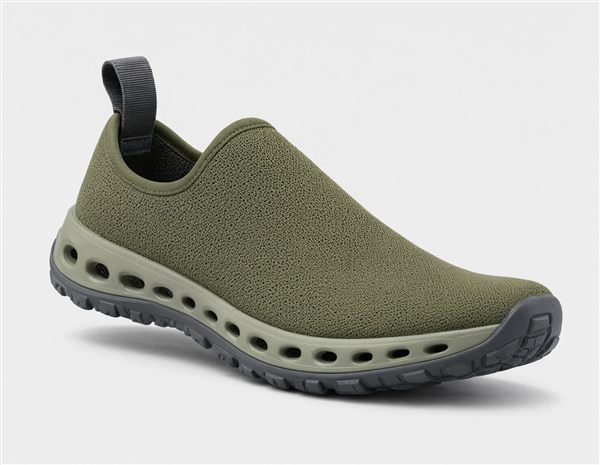
Merrell Hydro Next Gen Moc Water Shoe
| Style | Slip-on water moc |
|---|---|
| Upper | Ventilated stretch |
| Midsole | Cushioned with drainage |
| Sole | Grippy water-rated rubber |
Buy this if
- One shoe from car to cockpit to camp
- Comfort matters as much as grip
Skip if
- Whitewater and heavy portages → Astral
- Barnacle country → the reef boots
The Hydro Next Gen is Merrell’s modern answer to the classic Hydro Moc that anchored this category for years: a slip-on with a ventilated stretch upper that sheds water, a cushioned midsole with actual drainage ports, and a tread pattern that behaves on wet ramps and mossy rock. It succeeds the older Hydro Moc lines that Amazon has rotated out — the design brief survived the ASIN churn because it works. It is comfortable enough to wear as the trip’s only shoe on easy paddles, and grippy enough to trust at the put-in. For cold rivers and portage-heavy routes the high-tops below take over; for the standard lake-and-river day trip, this is the shoe.
Pros
- Genuine midsole drainage
- Comfortable as an all-day shoe
- Wet-surface grip you can trust
Cons
- Ankle coverage is minimal
- Premium price for a moc
Complete the kit
(not Amazon stars)
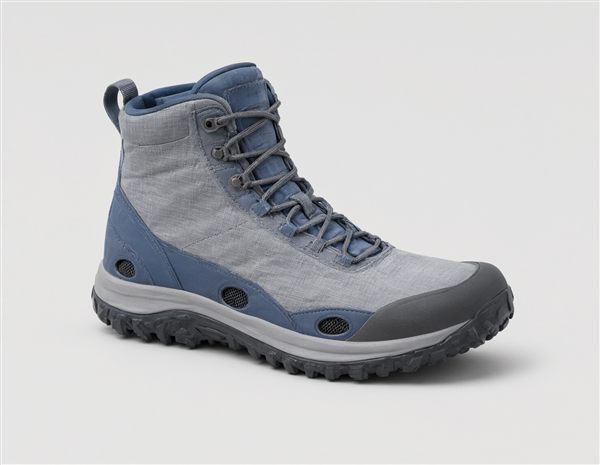
Astral Rassler 2.0 Water Boot
| Style | High-top lace-up water boot |
|---|---|
| Sole | Sticky rubber, climbing-derived |
| Drainage | Side drain ports |
| Best for | Whitewater and portages |
Buy this if
- Your rivers involve dragging boats over rock
- Ankle coverage and support matter
Skip if
- Budget builds — it is the premium pick
- Easy warm-water launches → the moc
The Rassler 2.0 is what a shoe looks like when a company only serves paddlers: Astral built it for the specific job of portaging — a high-top that laces down for support on scree and slick beds, drain ports that empty it the moment you are back in the boat, and an outsole using the same sticky rubber philosophy as climbing shoes, which is the family of grip that actually works on wet rock. The upper is ripstop-tough, the whole boot survives seasons of abuse that eats ordinary water shoes, and it exists because creek boaters kept asking for exactly this. The price is the honest cost of specialist gear, and cockpit fit needs checking against your boat’s foot braces. For whitewater, portage routes, and technical launches, it is the category’s benchmark.
Pros
- Climbing-grade wet-rock grip
- Ankle support for portage terrain
- Tough enough for seasons of abuse
Cons
- Premium specialist price
- Bulk checks needed for small cockpits
Complete the kit
(not Amazon stars)
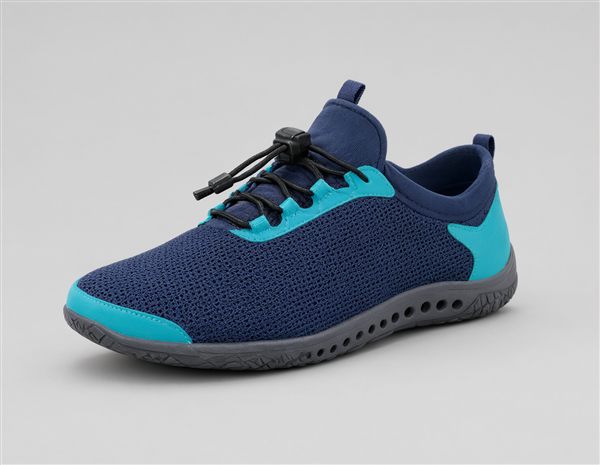
ALEADER Quick Drying Aqua Water Shoes
| Style | Slip-on mesh drain shoe |
|---|---|
| Upper | Quick-dry breathable mesh |
| Closure | Bungee cord with toggle |
| Sole | Perforated rubber outsole |
Buy this if
- Warm-water paddling on a budget
- Spare pairs for the whole family
Skip if
- Rocky technical launches → stickier soles
- Cold-water seasons → neoprene instead
ALEADER’s aqua shoes are what the budget tier of this category is supposed to be: a mesh upper that drains and dries in minutes, a bungee lace that gets you in and out without knots, and a perforated outsole that empties water while still offering real ground feel. They weigh nearly nothing, they pack to the size of a sandwich, and they cost little enough to outfit the entire family or keep a spare pair in the truck. The sole rubber is honest about its price — fine for sand, gravel, and ramps, not the confidence of the sticky-rubber specialist boots on slick bedrock. For warm-water lake paddling, float trips, and camp beaches, they are the cheap answer that works.
Pros
- Drains and dries in minutes
- Bungee lace is fast on and off
- Cheap enough to buy in pairs
Cons
- Sole grip is budget-grade on slick rock
- Minimal protection from sharp objects
Complete the kit
(not Amazon stars)
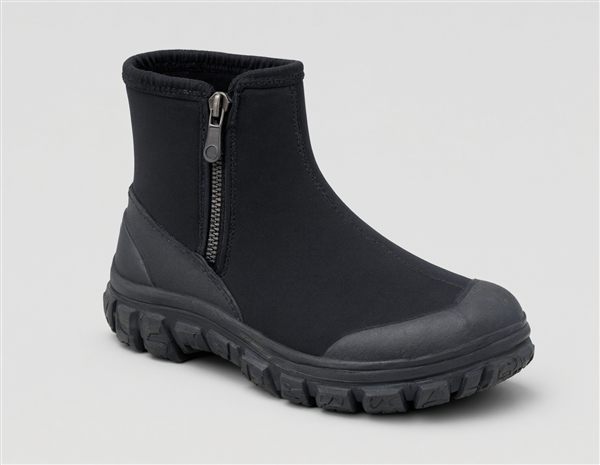
ForEverlast Ray-Guard Reef Wading Boots
| Style | Mid-height reef wading boot |
|---|---|
| Sole | Vulcanized hard rubber |
| Upper | Neoprene, waterproof |
| Best for | Reef and shell country |
Buy this if
- Your launches cross reef, barnacles, or oyster beds
- Fishing and wading are part of the trip
Skip if
- Long walks — they are armor, not mileage shoes
- Hot-climate high-dryness needs
Ray-Guard boots come from the fishing-wading world where feet routinely meet the worst the water offers: a vulcanized rubber sole hard enough that oyster shells and barnacle crusts deliver blunt force instead of puncture, over a neoprene upper that fits like gear rather than footwear. For saltwater paddling, mangrove launches, and flats fishing where the bottom is a hazard map, they are the armor option — the shoe that lets you step where the others step carefully. The trade is honest: neoprene holds water and warmth, they dry slowly, and they are wading boots rather than walking shoes. In shell country, that trade is the whole point.
Pros
- Puncture-class vulcanized sole
- Neoprene comfort and warmth
- Wading-boot toughness
Cons
- Slow-drying neoprene
- Not built for walking miles
Complete the kit
Full Comparison Table
| Product | Style | Best For | Buy |
|---|---|---|---|
| Merrell Hydro Next Gen | Slip-on drain moc | Lake and river day trips | Amazon → (paid link) |
| Astral Rassler 2.0 | High-top paddle boot | Whitewater and portage routes | Amazon → (paid link) |
| ALEADER Drain Shoe | Mesh drain shoe | Warm-water budget paddling | Amazon → (paid link) |
| Ray-Guard Reef Boot | Vulcanized reef boot | Reef and oyster country | Amazon → (paid link) |
Common mistakes
- Bare feet at rocky launch sites — glass, barnacles, and oyster shells live exactly where boats launch; one cut ends a multi-day trip. Water shoes are the cheapest insurance in the sport.
- EVA-only soles on slick ramps — foam soles skate on wet algae-covered concrete; sticky rubber compounds are the launch-day difference between walking and sliding into the water early.
- Wet shoes all day on kayak-camping trips — continuous wet footwear blisters; pack a dry camp shoe in the dry bag and let the water shoes do the launch, not the evening.
- Sandals in whitewater or reef country — exposed toes meet rock, strap-snag, and shell; closed-toe shoes are the honest answer the moment the water gets technical or the bottom gets sharp.
- Trusting years-old product links — water-shoe ASINs die fast as brands rotate lines; the Merrell, ALEADER, and O’Neill links from older versions of guides like this one now lead nowhere. Every pick here is re-verified live.
Frequently Asked Questions
Do I need special shoes for kayaking?
Neoprene booties or drain shoes for kayaking?
Can I wear sandals kayaking?
What sole grip do kayak launch sites need?
Water shoes for kayak camping trips?
Related Guides


